
Why Standard Drive Shafts Cannot Survive the Port Environment
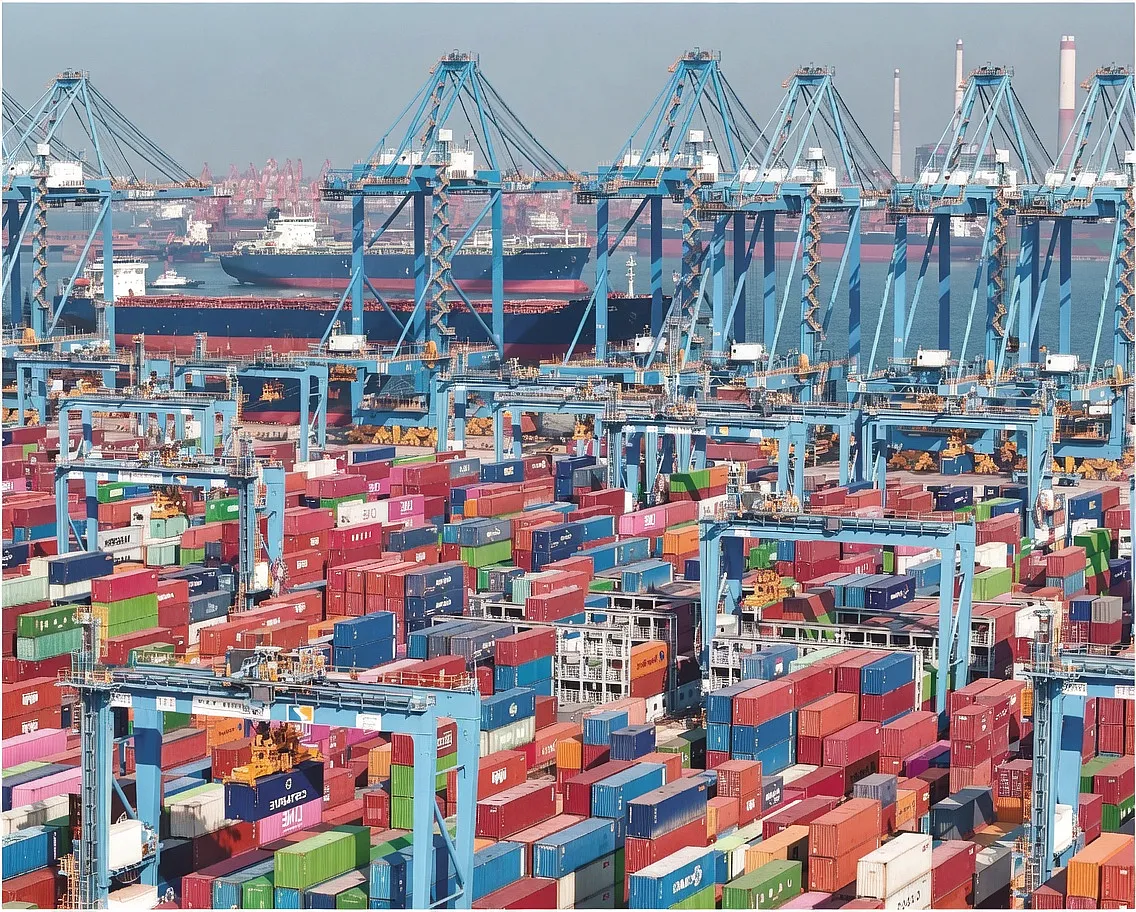 Modern automated container terminals represent one of the most punishing mechanical environments on earth. Straddle carriers — those towering gantry-leg machines that stride across rows of stacked containers — apply enormous torsional pulses every single time they grip, lift, or set down a box weighing up to 50 tonnes. Port AGVs, meanwhile, run predetermined guided routes across exposed quayside tarmac, shifting loads continuously through multi-shift cycles that can extend 22 or more hours per operational day. Throughout all of this, the drivetrain components sit just metres above the tidal waterline, bathed in salt-laden air, exposed to summer heat spikes and winter freezes, and periodically drenched by wash-down hoses or direct spray from weather events. A conventional industrial shaft assembled from standard commercial-grade materials and fitted with basic rubber-lip seals will typically show accelerating corrosion within its first season in a tidal port environment. Bearing races pit, spline surfaces rust-bind, and cross-journal seals weep salt-contaminated grease within months. The consequence is not merely a shaft replacement — it is a crane or AGV out of service, a berth blocked, and a vessel waiting at cost. Understanding exactly why port automation demands a fundamentally different class of power take-off shaft is the starting point for any meaningful conversation about drivetrain reliability in container logistics.
The Shock-Load Problem That Destroys Conventional Flanges
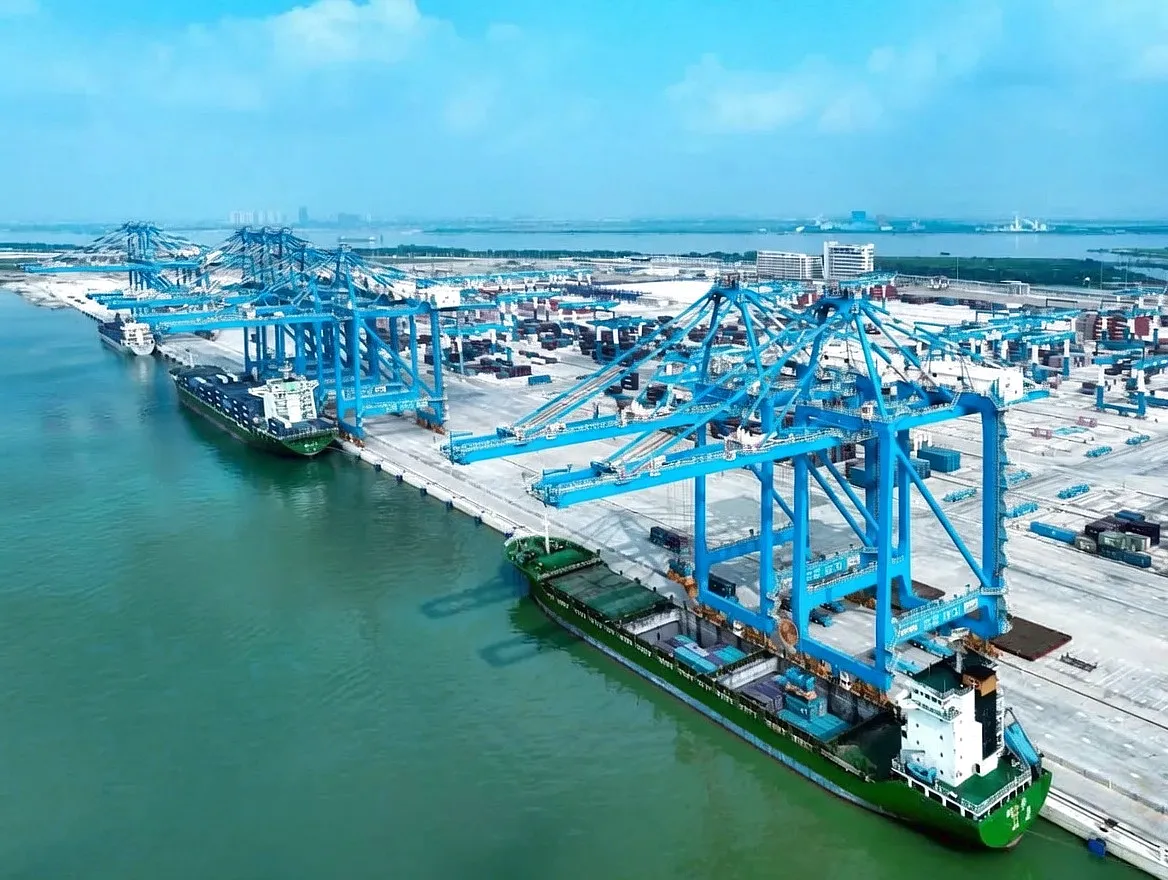 The physics of container handling generates shock loads that differ fundamentally from the steady-state torque seen in agricultural or industrial PTO applications. When a straddle carrier’s spreader bar engages a 40-foot container, the mechanical system transitions instantaneously from zero-load rotation to full-torque transmission — and that torque spike can exceed three to four times the nominal operating figure in a fraction of a second. Plain-bolt flange connections, where friction between mating faces is the sole mechanism of torque transfer, are acutely vulnerable to this type of impulsive loading. Micro-sliding at the bolt interface occurs under each peak event, gradually working the fasteners loose and, in extreme cases, shearing bolts cleanly at the head. Every UK terminal maintenance engineer who has worked on older straddle carrier fleets will recognise the pattern: an annual — or even quarterly — flange inspection cycle, a growing pile of replaced hardware, and a lingering suspicion that the next shift might bring an unscheduled stoppage. The answer to this problem is not heavier bolts or more frequent torquing; it is a fundamentally different flange geometry that transfers torque through positive mechanical engagement rather than friction. That geometry is the Hirth serration, and it changes the failure mode entirely — from progressive loosening under repeated shock to a stable, self-centring connection that locks tighter under load rather than relaxing.
Engineered From the Ground Up for Continuous Port Operation
At pto-drive-shafts.com, every port-specification industrial shaft is developed with the complete operating context in mind — not just the nominal torque figure stamped on a machine datasheet. Our engineering team works through the full duty cycle: start-up torque at sub-zero morning temperatures, peak shock at container engagement, sustained torsional vibration during cross-terminal transfer, and the thermal expansion and contraction that cycles every 24 hours as metal heats under operational friction and cools overnight. Material selection begins with 42CrMo4 seamless alloy steel — a chromium-molybdenum grade chosen for its high tensile strength, excellent fatigue resistance, and reliable through-hardening behaviour. Spline profiles are induction-hardened to 58–62 HRC, giving the surface a wear-resistant shell while preserving a tough, impact-absorbing core beneath. Corrosion protection moves well beyond a standard paint finish: zinc-phosphate conversion coating as a base layer, followed by a 80-micrometre polyurethane topcoat that meets 1,000 hours salt-spray resistance to ISO 9227. The result is a shaft that enters its second, third, and fourth year of port service still performing to original specification — not one that is quietly degrading toward the next unplanned breakdown. This is what industrial shaft engineering for port automation actually means in practice.
The Four Failure Drivers
What Destroys Drive Shafts in Port Environments
Marine Corrosion
Tidal salt-spray penetrates standard seals within weeks. Bearing races pit, splines rust-bind, and protective coatings blister under continuous chloride exposure. A shaft rated for inland industrial use has a measured lifespan of as little as 8–14 months in an active UK tidal port.
Torsional Shock
Container pickup events generate torque spikes 3–4× the nominal rating in milliseconds. Friction-bolt flanges micro-slide under each impulse, progressively loosening until hardware shears. Even well-torqued assemblies can fail after just 800–1,000 engagement cycles in heavy straddle carrier service.
24/7 Duty Fatigue
Port AGVs and straddle carriers run 22+ hour operational windows, accumulating fatigue cycles at an order of magnitude beyond agricultural or factory PTO use cases. Shaft materials must be selected and heat-treated to sustain endurance limits well beyond 10⁷ load cycles without crack propagation.
Thermal Cycling
UK port environments swing from sub-zero pre-dawn starts to operational heat of 60–80°C at bearing contact surfaces. Daily thermal expansion and contraction cycles work grease out of joints, introduce play into clearance-fit splines, and accelerate fretting corrosion at interfaces not designed for this specific thermal duty.
Engineering Solutions
Three Technologies That Define Port-Grade Performance
Each design element addresses a specific failure mode. Together, they produce a industrial shaft that operates reliably where standard equipment cannot.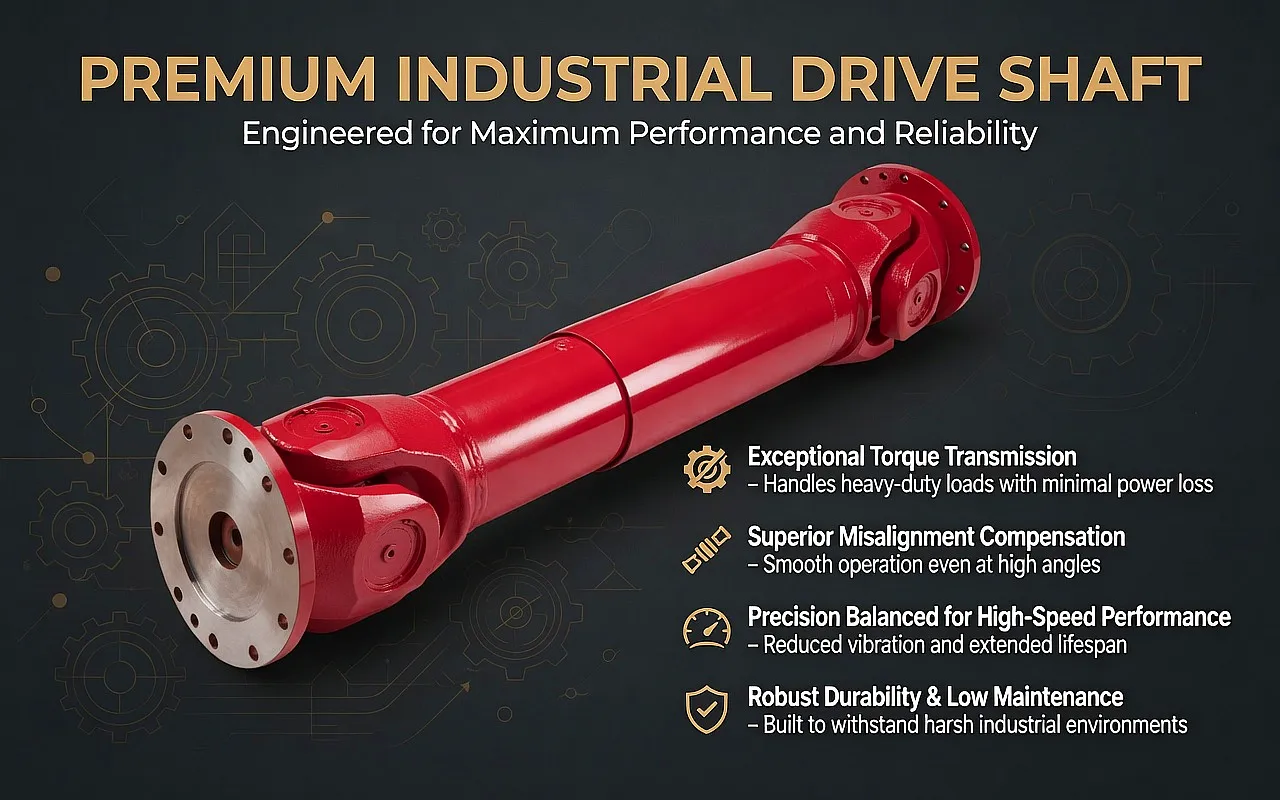
Triple-Layer Labyrinth Sealing
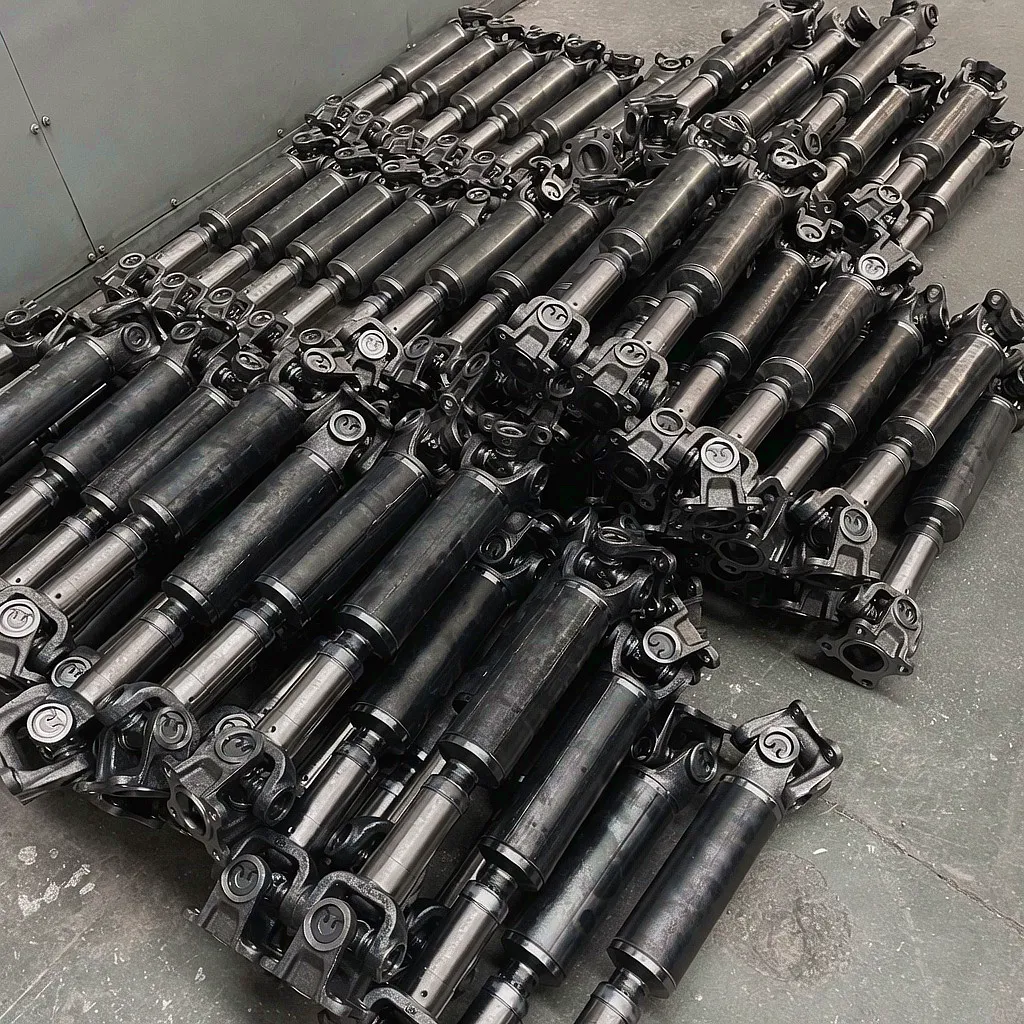 Our marine-specification seal stack consists of three concentric barriers working in series. The outer metallic labyrinth deflects gross contamination — water jets, quayside spray, and airborne salt particles — before they approach the bearing. Behind it, a spring-loaded nitrile lip seal maintains positive contact regardless of shaft deflection angles up to 3°. The innermost metallic dust cap acts as the final retention layer, trapping any lubricant that migrates outward and preventing pressure equalisation that could draw contaminants inward. The combined system achieves IP69K-equivalent ingress protection, withstanding high-pressure wash-down at 80°C — a critical requirement for vessels and terminals operating under Port Health Authority sanitation protocols.
→ IP69K-equivalent | 3-layer protection | Compatible with high-pressure washdown
Hirth Serration Flange Geometry
The Hirth coupling replaces flat friction-bolt mating with a radial tooth mesh — typically 60 to 120 precision-ground teeth interlocking across the full face diameter. Torque is transmitted by the shear strength of the tooth geometry rather than by clamping-force friction. This changes the mechanics of shock loading fundamentally: a torque spike does not try to slide the faces apart; it is absorbed into the tooth roots as compressive stress, a load path that steel handles far more gracefully than a bolt thread in tension. Measured against a conventional drilled-flange connection, Hirth serration provides 300–400% greater shear capacity for the same flange diameter. Under repeated shock events — exactly the pattern of a straddle carrier making 50+ container picks per shift — the Hirth face actually seats more firmly under load rather than progressively relaxing. The flange becomes self-healing under the very conditions that destroy its simpler counterpart.
→ 300–400% shear capacity gain | Self-seating under load | Zero bolt-loosening
42CrMo4 Alloy Tube & Surface Hardening
Shaft tube and yoke bodies are machined from 42CrMo4 seamless alloy steel — a chromium-molybdenum grade with a tensile strength ceiling above 1,000 MPa and outstanding resistance to fatigue crack propagation. This is the same material family used in landing gear and drive axles of heavy commercial vehicles: a grade with decades of field data demonstrating its suitability for high-cycle, shock-loaded duty. Spline teeth are induction-hardened to 58–62 HRC, creating a wear-resistant outer shell while retaining a lower-hardness, energy-absorbing core — the ideal combination for an interface that must transmit torque without galling but also survive impact without brittle fracture. The completed shaft assembly receives a zinc-phosphate conversion layer followed by an 80-micrometre polyurethane topcoat, meeting 1,000-hour salt-spray resistance per ISO 9227. This exceeds the 480-hour requirement commonly specified for coastal marine equipment and provides meaningful corrosion protection throughout a multi-year operational life.
→ 42CrMo4 | 58–62 HRC splines | 1,000h ISO 9227 coating | >1,000 MPa UTS
Technical Comparison
Performance Parameters: Standard vs Port-Grade industrial Shaft
All figures represent design targets for custom-engineered assemblies. Final specifications confirmed at quotation stage based on exact machine duty cycle and OEM flange interface data.
Where We Work
Application Scenarios Across the Automated Terminal
Automated Straddle Carriers
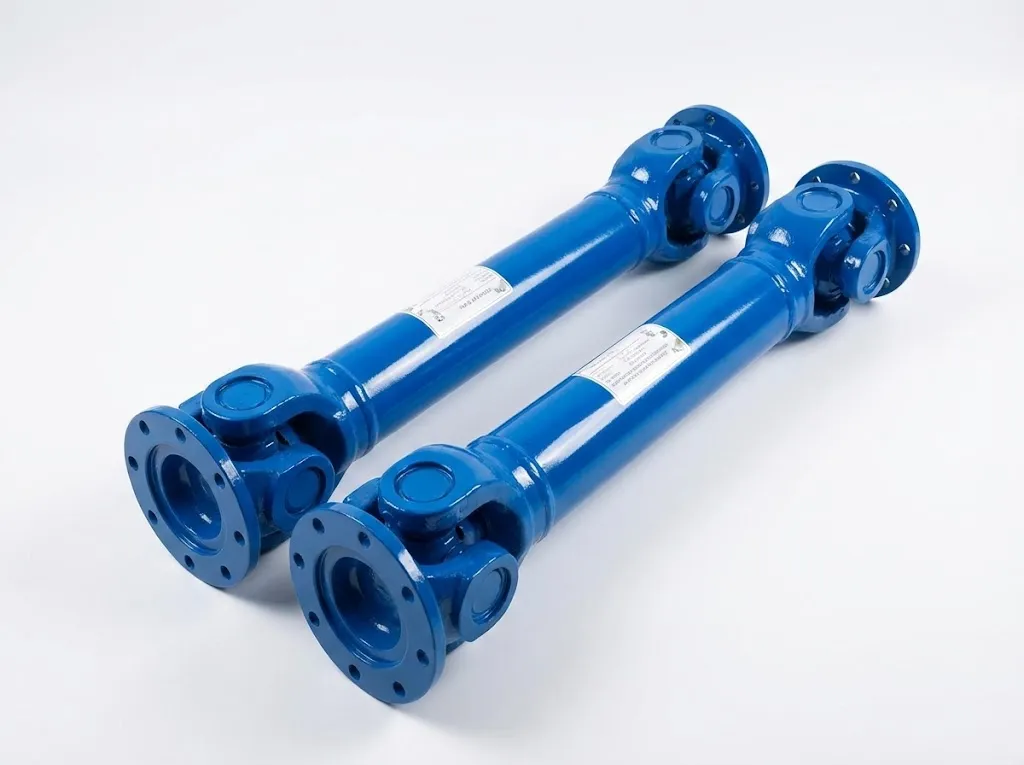 The highest-demand port-automation application. ASCs operate on long-leg chassis spanning two or three container widths, applying massive torsional impulses during each pick-and-place cycle. The industrial shaft connecting the prime mover to the hydraulic pump drive must handle angular misalignment during loaded cornering while sustaining peak torques that standard shafts simply cannot absorb. Our Hirth-flange, labyrinth-sealed assemblies are specified for new-build ASC fleets and OEM replacement programmes across UK east coast terminals.
Typical shaft range: 3,500–18,000 Nm | Ø89–168mm tube
Port Automated Guided Vehicles
Port AGVs differ from warehouse counterparts in scale, environmental exposure, and duty cycle intensity. Running predetermined guidance routes across exposed quaysides with loads of 30–60 tonnes, they accumulate rotational cycles that exhaust standard shaft fatigue limits within a single operating season. Our G2.5-balanced AGV-specification shafts eliminate the vibration harmonics that accelerate bearing wear in precision-guided platforms, and their extended 6,000–8,000-hour service intervals align with AGV fleet maintenance windows rather than forcing out-of-schedule downtime.
G2.5 precision balance | 6,000–8,000h intervals
STS Crane Auxiliary Drives
Ship-to-shore cranes use PTO-driven auxiliary systems for luffing, spreader actuation, and auxiliary hoist functions. These applications combine the corrosive quayside environment with the added challenge of crane structure flexure — the boom deflects under load, introducing angular misalignment that accelerates universal joint wear. Wide-angle cross-journal assemblies with marine-grade sealing provide the operational flexibility these systems demand, while Hirth flanges at the boom-root connection survive the structural movement without progressive loosening.
Wide-angle UJ option | Structural flex compensation
Rail-Mounted Gantry Cranes
RMG cranes in automated yards operate on fixed rails, making multiple container lifts per hour across the full shift pattern. Drive shafts in the travel drive and long-travel gearbox connections must handle acceleration and deceleration torque profiles as the crane positions itself, in addition to the vertical hoist load transmission. Our shaft assemblies for RMG applications are specified with dual-cardan wide-angle joints that accommodate thermal expansion of the rail-mounted structure without introducing brinelling loads at the cross-journal needle bearings.
Dual-cardan option | Thermal growth compensation
Why Specify Our Shafts
Six Advantages Designed Into Every Port-Specification Assembly
Marine-Class Sealing
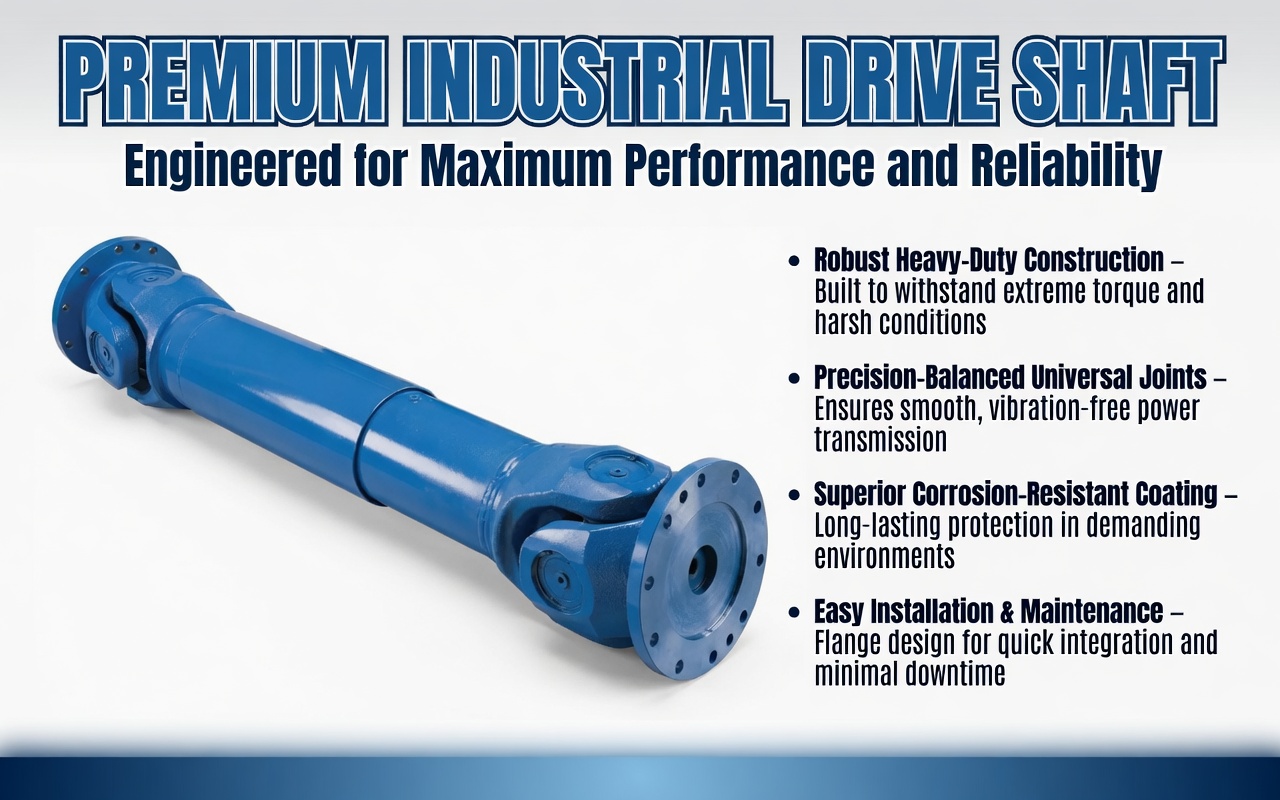
Triple-layer labyrinth plus spring-loaded nitrile lip provides genuine IP69K-equivalent protection. Verified against high-pressure quayside wash-down at 80°C and direct salt-spray exposure exceeding 1,000 hours.
Shock-Resistant Hirth Flanges
Positive tooth-mesh engagement eliminates bolt-loosening under repeated shock. Delivers 300–400% greater shear capacity compared to equivalent drilled-flange connections, with zero measurable relaxation after sustained container-pick cycles.
3–5× Extended Service Life
Port-grade assemblies deliver 4,000–8,000-hour maintenance intervals compared to 800–1,200 hours for commercial alternatives. In a 24/7 terminal, this translates to one planned maintenance window per year rather than three or four reactive interventions.
Precision G2.5 Balancing
AGV-specification shafts are balanced to G2.5 class on our in-house balancing equipment. This eliminates the vibration harmonics at operational speeds that accelerate bearing and sensor degradation in guidance-critical automated platforms running at high daily cycle rates.
Full Documentation Package
Every assembly ships with material certificates (EN 10204 3.1), dimensional inspection reports, balancing records, and coating test certificates. Port operators and their insurers increasingly require this traceability chain — we provide it as standard, not as a premium add-on.
Custom Engineering Support
Non-standard flange patterns, unusual operating angles, or OEM-specific interface dimensions are handled by our engineering team with 18+ years of port-application experience. We work from your machine drawings and duty-cycle data rather than from catalogue approximations.
Client Success Study · UK Container Terminal
From Monthly Breakdowns to Annual Maintenance: East Coast Terminal Fleet Retrofit
Fleet Size
24 straddle carriers + 38 AGVs
Unplanned Stoppages Reduction
78% within 12 months
Annual Maintenance Saving
£340,000
ROI (18-month horizon)
7:1 return on investment
A major container terminal operating on the UK east coast had been managing chronic drivetrain reliability issues across its straddle carrier and AGV fleets for three consecutive seasons. The root cause was a combination of under-specified shaft materials — mild steel tubes with single rubber-lip seals — and conventional bolt-flange connections that required re-torquing every 6–8 weeks due to shock-induced micro-sliding. The maintenance team was making 3–4 unplanned drivetrain interventions per month across the combined fleet, each one requiring a machine to be removed from service during active operations. At an average downtime cost of £4,200 per shift-hour and with vessels often waiting at berth, the financial exposure was significant.
Working with the terminal’s chief mechanical engineer, our team conducted a full duty-cycle analysis across both machine types: instrumented torque logging during container pick-and-place sequences confirmed peak events reaching 3.8× nominal on the straddle carriers and torsional shock profiles on the AGVs that were inducing measurable vibration harmonics in their guidance sensors. The replacement programme specified Hirth-serration port-grade assemblies for all 24 straddle carriers and G2.5-balanced heavy-duty variants for the 38 AGVs, with the full triple-layer labyrinth sealing package across the entire fleet.
Twelve months after full fleet conversion, unplanned shaft-related stoppages had fallen by 78%. The first scheduled service inspection — conducted at 5,200 hours — found all assemblies within original dimensional tolerances, with no measurable spline wear or seal degradation. The projected annual saving against the previous maintenance regime was confirmed at £340,000, delivering a 7:1 return on the retrofit programme investment within 18 months. The terminal subsequently adopted our port-grade specification as their standard for all future procurement.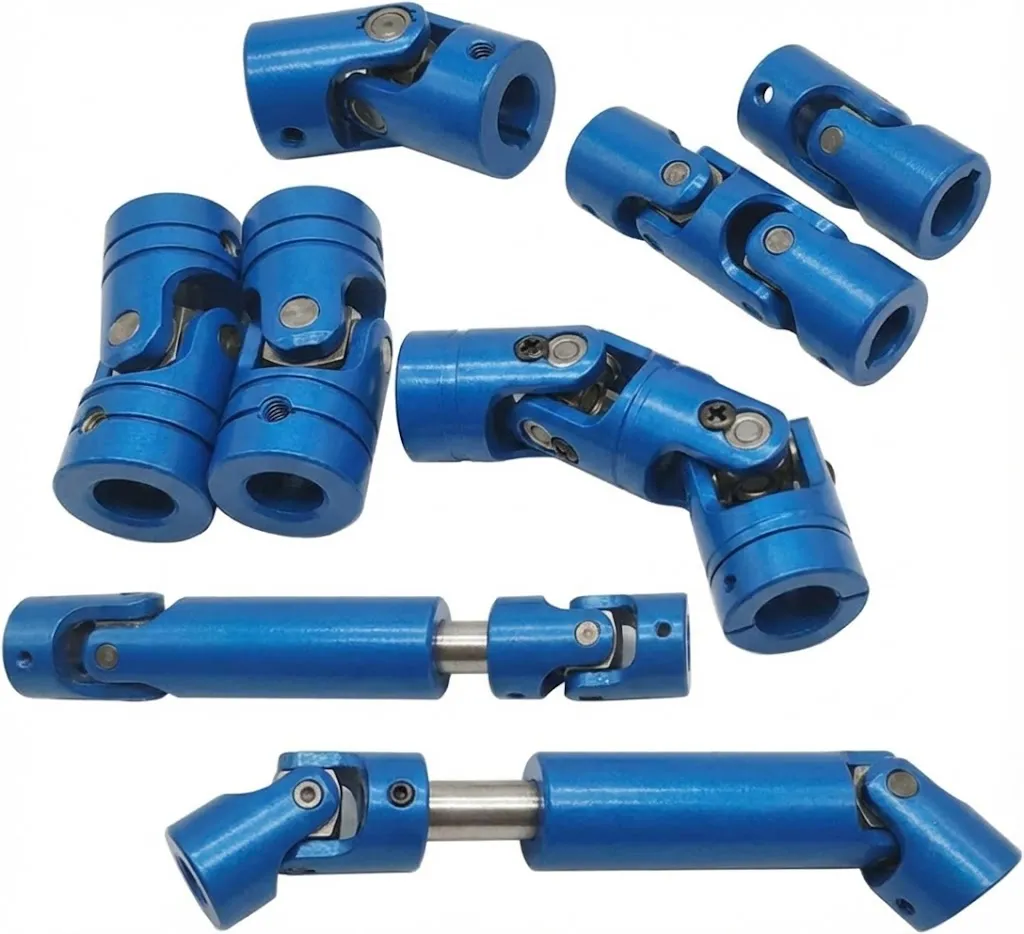
What Terminal Engineers Say
From the Maintenance Teams Who Specified Us
We had been nursing the straddle carrier shafts on a six-week re-torque cycle for two years. After the switch to Hirth-flange port-grade units, the first scheduled check at 5,000 hours showed zero measurable flange movement. That tells you everything about the difference between a catalogue shaft and an application-engineered one. We have not had a shaft-related stoppage since the retrofit completed.
James Hargreaves
Chief Mechanical Engineer · East Coast Container Terminal, UK
The AGV guidance accuracy issues we were seeing turned out to be vibration-induced. Our previous shaft supplier had balanced to G6.3 — adequate for most applications, but not for precision AGV work at our throughput rates. The G2.5-balanced replacement shafts eliminated the harmonic interference entirely. Southampton has a specific problem with tidal saltwater exposure and these seals have held up perfectly through a full winter cycle.
Rachel Okonkwo
Automation Systems Manager · Port of Southampton, UK
What made the difference for Felixstowe was the documentation package. Our procurement standards require EN 10204 3.1 material certs and full dimensional inspection records. Most UK shaft suppliers treat this as an unusual request. pto-drive-shafts.com ship all of that as standard — and the technical datasheet accurately reflects the actual assembly rather than a catalogue approximation. That level of traceability matters enormously for terminal insurance compliance and CE re-certification.
David Thornton
Senior Procurement Engineer · Port of Felixstowe, UK
Custom Engineering Capability
No Standard Catalogue — Every Shaft Is Built to Your Specification
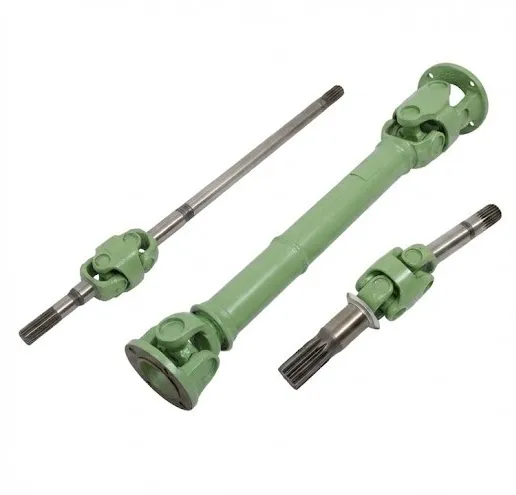 Port automation equipment is, by definition, bespoke. OEMs design straddle carriers, AGVs, and crane auxiliary systems to their own interface geometries, torque targets, and maintenance philosophies. Catalogue shafts — designed to approximate average requirements across multiple industries — are precisely the wrong solution for a machine that runs 8,000 hours a year in one of the world’s most corrosive environments. Our manufacturing process begins with your data: the OEM flange drawing, the gearbox output shaft dimensions, the application duty cycle, and any site-specific environmental or compliance constraints. From those inputs, we design and manufacture an assembly that fits your machine exactly, rather than requiring you to adapt your machine to a catalogue product. Our customisation scope covers the full assembly:
- Non-standard flange bolt-circle diameters and PCD configurations
- Custom spline profiles and interference-fit tolerances to OEM specification
- Variable-length telescoping tubes for installation clearance constraints
- Double-cardan constant-velocity joint configurations for high-angle drives
- Bespoke lubricant specification including food-safe and environmentally listed greases
- CE Declaration of Conformity with full technical file per Machinery Directive
- Prototype lead times from 10 working days | Production from 4 weeks
Manufacturing at a Glance
Material Sourcing
42CrMo4 seamless tube — EU-certified mills with full material traceability
Machining
5-axis CNC turning and milling | Spline hobbing to DIN 5480 / ISO 4156
Wärmebehandlung
In-house induction hardening | Certified hardness testing per EN ISO 6508
Surface Finishing
Zinc-phosphate + 80µm PU topcoat | ISO 9227 certified salt-spray testing
Dynamische Auswuchtung
In-house balancing to G6.3 standard | G2.5 optional for AGV applications
Dokumentation
EN 10204 3.1 certs | Dimensional reports | Balancing records | CE file
UK-Wide Coverage
Serving Every Major UK Container Terminal
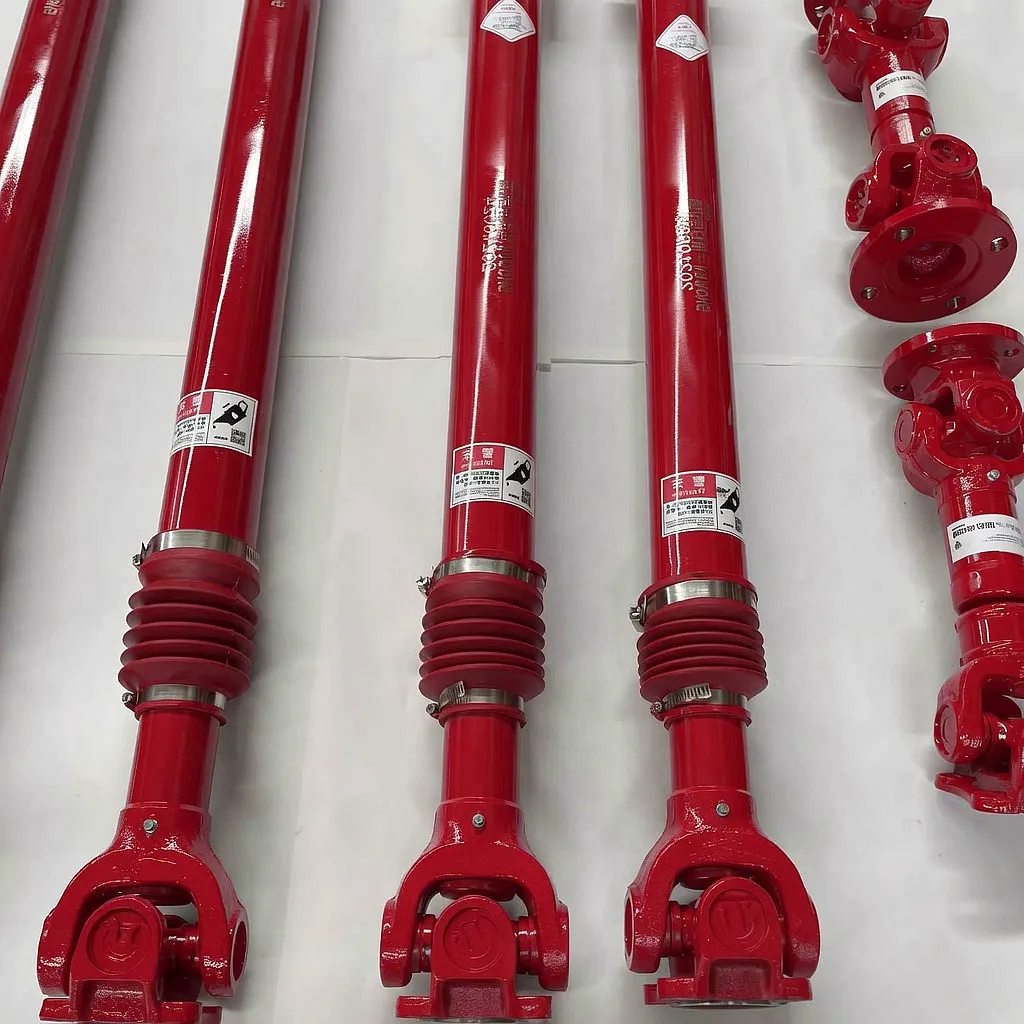 From the UK’s largest deepwater box port at Felixstowe through Southampton’s liquid and container terminals, London Gateway’s automated yard, and Tilbury’s general cargo operations — our port-specification industrial shaft programme covers the full geography of UK container logistics. Nationwide delivery is available, with expedited despatch for in-service breakdowns and urgent replacement stock held for common straddle carrier and AGV shaft configurations. If your terminal operates anywhere between the Thames Estuary and the Scottish Forth ports, we can provide the engineering support, lead times, and logistical response your maintenance programme requires.
🏴
Port of Felixstowe
UK’s largest container port
⚓
Southampton
DBNSS & Marchwood ops
🌉
London Gateway
Automated AGV terminal
🚢
Tilbury
Mixed cargo & RoRo
🏴
Grangemouth & Forth
Scottish port supply
🚛
Nationwide Delivery
Next-day emergency despatch
Häufig gestellte Fragen
Questions from UK Port Procurement & Maintenance Teams
Ready to Eliminate Drivetrain Downtime
Across Your Port Fleet?
Send us your machine type, flange specification, and fleet size. We will return an engineering-reviewed quotation within 24 hours — no catalogue approximations, no generic sizing tools.
[email protected] · UK Port Automation Specialists · Nationwide Delivery
bearbeitet von gzl























