
Produktbeschreibung
2019 New Design pto drive shaft for tractor manufacturer
1. Tubes or Pipes
We’ve already got Triangular profile tube and Lemon profile tube for all the series we provide.
And we have some star tube, splined tube and other profile tubes required by our customers (for a certain series). (Please notice that our catalog doesnt contain all the items we produce)
If you want tubes other than triangular or lemon, please provide drawings or pictures.
2.End yokes
We’ve got several types of quick release yokes and plain bore yoke. I will suggest the usual type for your reference.
You can also send drawings or pictures to us if you cannot find your item in our catalog.
3. Safety devices or clutches
I will attach the details of safety devices for your reference. We’ve already have Free wheel (RA), Ratchet torque limiter(SA), Shear bolt torque limiter(SB), 3types of friction torque limiter (FF,FFS,FCS) and overrunning couplers(adapters) (FAS).
4.For any other more special requirements with plastic guard, connection method, color of painting, package, etc., please feel free to let me know.
Merkmale:
1. We have been specialized in designing, manufacturing drive shaft, steering coupler shaft, universal joints, which have exported to the USA, Europe, Australia etc for years
2. Application to all kinds of general mechanical situation
3. Our products are of high intensity and rigidity.
4. Heat resistant & Acid resistant
5. OEM orders are welcomed
Our factory is a leading manufacturer of PTO shaft yoke and universal joint.
We manufacture high quality PTO yokes for various vehicles, construction machinery and equipment. All products are constructed with rotating lighter.
We are currently exporting our products throughout the world, especially to North America, South America, Europe, and Russia. If you are interested in any item, please do not hesitate to contact us. We are looking CZPT to becoming your suppliers in the near future.
/* 10. März 2571 17:59:20 */!function(){function s(e,r){var a,o={};try{e&&e.split(“,”).forEach(function(e,t){e&&(a=e.match(/(.*?):(.*)$/))&&1
| Typ: | Fork |
|---|---|
| Verwendung: | Verarbeitung landwirtschaftlicher Produkte, Infrastruktur für landwirtschaftliche Flächen, Bodenbearbeitung, Erntemaschinen, Aussaat und Düngung, Getreidedreschen, Reinigung und Trocknung |
| Material: | Carbon Steel |
| Anpassung: |
Verfügbar
| Kundenspezifische Anfrage |
|---|
.shipping-cost-tm .tm-status-off{background: none;padding:0;color: #1470cc}
| Versandkosten:
Geschätzte Frachtkosten pro Einheit. |
über Versandkosten und voraussichtliche Lieferzeit. |
|---|
| Zahlungsmethode: |
|
|---|---|
|
Erste Zahlung Vollständige Zahlung |
| Währung: | US$ |
|---|
| Rückgabe & Erstattung: | Sie können bis zu 30 Tage nach Erhalt der Produkte eine Rückerstattung beantragen. |
|---|
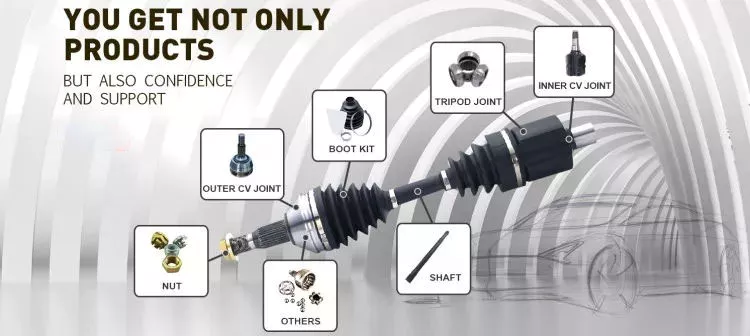
Welche Wartungsmaßnahmen sind unerlässlich, um die Lebensdauer von Zapfwellenantrieben zu verlängern?
Um die Lebensdauer von Zapfwellen (PTO) zu verlängern und deren optimale Leistung zu gewährleisten, sind regelmäßige Wartungsarbeiten unerlässlich. Durch die Einhaltung dieser Wartungsmaßnahmen können Bediener vorzeitigen Verschleiß verhindern, potenzielle Probleme frühzeitig erkennen und die Lebensdauer der Antriebswelle maximieren. Im Folgenden finden Sie einige wichtige Wartungshinweise:
1. Schmierung:
Die richtige Schmierung ist entscheidend für den reibungslosen Betrieb und die lange Lebensdauer von Zapfwellenantrieben. Schmieren Sie die Kreuzgelenke, Verzahnungen und andere bewegliche Teile der Antriebswelle regelmäßig gemäß den Herstellerempfehlungen. Wählen Sie ein hochwertiges Schmiermittel, das für die jeweilige Anwendung und die Umgebungsbedingungen geeignet ist. Schmierung trägt dazu bei, Reibung zu reduzieren, übermäßigen Verschleiß zu verhindern und vor Korrosion zu schützen.
2. Inspektion:
Regelmäßige Sichtprüfungen sind wichtig, um Verschleiß, Beschädigungen oder Fehlausrichtungen an der Zapfwellenantriebswelle zu erkennen. Untersuchen Sie die Antriebswelle und ihre Komponenten auf Risse, Dellen, lockere Schrauben oder Anzeichen von übermäßigem Verschleiß. Achten Sie besonders auf die Kreuzgelenke, Verzahnungen, Abschirmungen und Sicherheitseinrichtungen. Sollten Sie Mängel feststellen, beheben Sie diese umgehend, um Folgeschäden zu vermeiden und einen sicheren Betrieb zu gewährleisten.
3. Drehmomentprüfung:
Überprüfen Sie regelmäßig das Anzugsmoment der Befestigungselemente wie Schrauben und Muttern, mit denen die Zapfwellenantriebswelle und ihre Komponenten befestigt sind. Vibrationen und der normale Betrieb können dazu führen, dass sich diese Befestigungselemente mit der Zeit lösen, was zu Fehlausrichtungen oder Beschädigungen führen kann. Verwenden Sie einen Drehmomentschlüssel, um sicherzustellen, dass die Befestigungselemente gemäß den Herstellervorgaben korrekt angezogen sind. Regelmäßige Drehmomentprüfungen tragen zur Erhaltung der Integrität und Stabilität der Antriebswellenbaugruppe bei.
4. Ausrichtung:
Die korrekte Ausrichtung der Zapfwelle (der primären Antriebsquelle) und des Anbaugeräts ist entscheidend für eine effiziente Kraftübertragung und zur Vermeidung übermäßigen Verschleißes. Überprüfen Sie regelmäßig die Ausrichtung der Zapfwelle und stellen Sie sicher, dass sie gerade ist und korrekt in ihren Anschlüssen sitzt. Eine Fehlausrichtung kann Vibrationen, erhöhte Belastung und vorzeitigen Verschleiß verursachen. Nehmen Sie gegebenenfalls Korrekturen vor, um die korrekte Ausrichtung wiederherzustellen.
5. Austausch des Scherbolzens oder des Drehmomentbegrenzers:
Ist die Zapfwellenantriebswelle mit einem Scherbolzen oder Drehmomentbegrenzer als Sicherheitsvorrichtung ausgestattet, müssen diese Bauteile unbedingt ausgetauscht werden, sobald sie ausgelöst oder beschädigt wurden. Scherbolzen sind Verschleißteile, die bei zu hohem Drehmoment brechen und so die Antriebswelle und die angeschlossenen Geräte schützen. Ersetzen Sie den Scherbolzen oder Drehmomentbegrenzer durch den vom Hersteller empfohlenen Typ und die entsprechenden Spezifikationen, um dauerhafte Sicherheit und einwandfreie Funktion zu gewährleisten.
6. Schutz und Bewachung:
Überprüfen Sie regelmäßig die Schutzabdeckungen der Zapfwellenantriebswelle auf Unversehrtheit und einwandfreien Zustand. Diese Schutzabdeckungen verhindern den Kontakt mit beweglichen Teilen und reduzieren das Risiko von Verhedderungen oder Verletzungen. Ersetzen Sie beschädigte oder fehlende Schutzabdeckungen umgehend, um die Sicherheit des Bedieners zu gewährleisten und das Eindringen von Fremdkörpern in die Antriebswelle zu verhindern.
7. Umweltschutz:
Berücksichtigen Sie die Umgebungsbedingungen, denen die Zapfwellenantriebswelle ausgesetzt ist, und ergreifen Sie geeignete Schutzmaßnahmen. Ist die Antriebswelle Feuchtigkeit, Schmutz oder korrosiven Substanzen ausgesetzt, reinigen Sie sie regelmäßig und tragen Sie geeignete Beschichtungen oder Schutzmaßnahmen auf, um Rost und Korrosion vorzubeugen. Lagern Sie die Antriebswelle außerdem bei Nichtgebrauch an einem trockenen und sauberen Ort.
8. Richtlinien des Herstellers:
Beachten Sie die Wartungsrichtlinien des Herstellers der Zapfwellenantriebswelle. Diese Richtlinien können spezifische Wartungsintervalle, empfohlene Schmierstoffe, Anzugsmomente und weitere wichtige Hinweise enthalten. Die Einhaltung der Herstellerrichtlinien gewährleistet, dass die Antriebswelle gemäß ihren Konstruktions- und technischen Spezifikationen gewartet wird und somit ihre Lebensdauer und Leistung maximiert werden.
Durch die Umsetzung dieser grundlegenden Wartungsmaßnahmen können Betreiber die Lebensdauer von Zapfwellenantrieben deutlich verlängern. Regelmäßige Schmierung, Inspektionen, Drehmomentprüfungen, Ausrichtungskontrollen, rechtzeitiger Austausch von Sicherheitsbauteilen, ordnungsgemäße Abschirmung und Schutzvorrichtungen, Umweltschutzmaßnahmen und die Einhaltung der Herstellerrichtlinien tragen alle zur Langlebigkeit, Zuverlässigkeit und zum sicheren Betrieb der Antriebswelle bei.
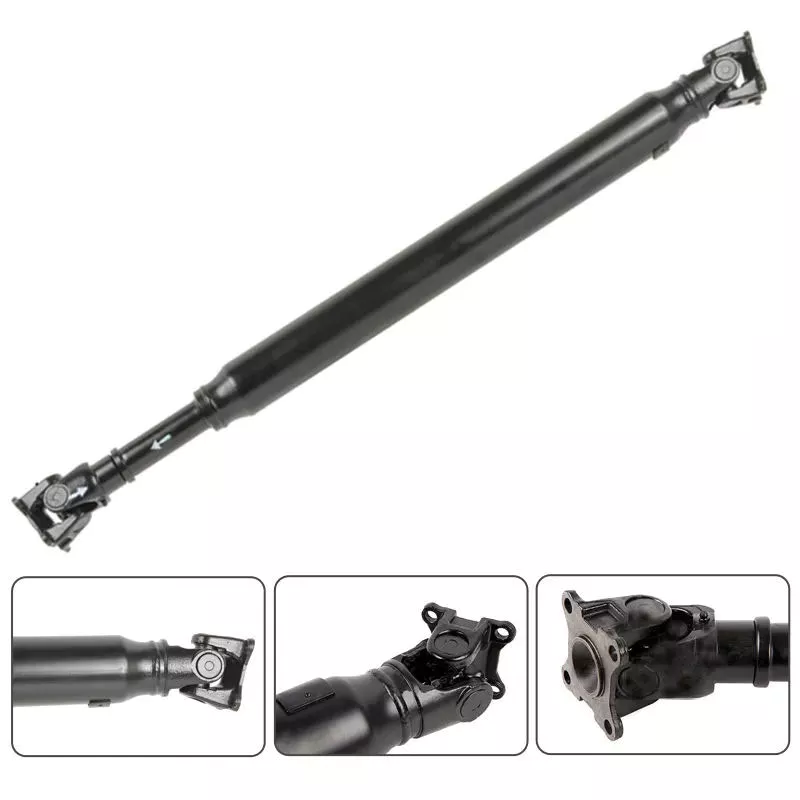
How do PTO drive shafts handle variations in load and torque during operation?
PTO (Power Take-Off) drive shafts are designed to handle variations in load and torque during operation, providing a flexible and efficient power transmission solution. They incorporate several mechanisms and features that enable them to accommodate changes in load and torque. Here’s how PTO drive shafts handle variations in load and torque:
1. Flexible Kupplungen:
PTO drive shafts typically utilize flexible couplings, such as universal joints or constant velocity joints, at both ends. These couplings allow for angular misalignment and compensate for variations in load and torque. They can accommodate changes in the orientation and position of the driven equipment relative to the power source, reducing stress on the drive shaft and its components.
2. Spring-Loaded Friction Discs:
Some PTO drive shafts incorporate spring-loaded friction discs, commonly known as torque limiters or overload clutches. These devices provide a mechanical means of protecting the drive shaft and connected equipment from excessive torque. When the torque exceeds a predetermined threshold, the friction discs slip, effectively disconnecting the drive shaft from the power source. This protects the drive shaft from damage and allows the system to handle sudden increases or spikes in torque.
3. Slip Clutches:
Slip clutches are another mechanism used in PTO drive shafts to handle variations in torque. Slip clutches allow controlled slippage between the input and output shafts when a certain torque level is exceeded. They provide a means of limiting torque transmission and protecting the drive shaft from overload. Slip clutches can be adjustable, allowing the desired torque setting to be customized based on the specific application.
4. Torque Converters:
In certain applications, PTO drive shafts may incorporate torque converters. Torque converters are fluid coupling devices that use hydraulic principles to transmit torque. They provide a smooth and gradual ramp-up of torque, which helps in handling variations in load and torque. Torque converters can also provide additional benefits such as dampening vibrations and mitigating shock loads.
5. Load-Bearing Capacity:
PTO drive shafts are designed with sufficient load-bearing capacity to handle variations in load during operation. The material selection, diameter, and wall thickness of the drive shaft are optimized based on the anticipated loads and torque requirements. This allows the drive shaft to effectively transmit power without excessive deflection or deformation, ensuring reliable and efficient operation under different load conditions.
6. Regular Maintenance:
Proper maintenance is essential for the reliable operation of PTO drive shafts. Regular inspection, lubrication, and adjustment of the drive shaft components help ensure optimal performance and longevity. By maintaining the drive shaft in good condition, its ability to handle variations in load and torque can be preserved, reducing the risk of failures or unexpected downtime.
It’s important to note that while PTO drive shafts are designed to handle variations in load and torque, there are limits to their capacity. Exceeding the recommended load or torque limits can lead to premature wear, damage to the drive shaft and connected equipment, and compromise safety. It is crucial to operate within the specified parameters and consult the manufacturer’s guidelines for the specific PTO drive shaft model being used.
By incorporating flexible couplings, torque limiters, slip clutches, torque converters, and ensuring adequate load-bearing capacity, PTO drive shafts can effectively handle variations in load and torque during operation. These features contribute to the versatility, efficiency, and reliability of PTO drive shaft systems across a wide range of applications.

How do PTO drive shafts contribute to transferring power from tractors to implements?
PTO (Power Take-Off) drive shafts play a crucial role in transferring power from tractors to implements in agricultural and industrial applications. They provide a mechanical connection that enables the efficient and reliable transfer of rotational power from the tractor’s engine to various implements. Here’s a detailed explanation of how PTO drive shafts contribute to transferring power:
1. Power Source:
A tractor serves as the primary power source in agricultural operations. The engine of the tractor generates rotational power, which needs to be transmitted to the attached implements to perform specific tasks. The power generated by the engine is harnessed and transferred through the PTO drive shaft.
2. PTO Output Shaft:
Tractors are equipped with a PTO output shaft, typically located at the rear of the tractor. The PTO output shaft is specifically designed to transfer power to external devices, such as implements or machinery. The PTO drive shaft connects directly to this output shaft to receive power.
3. PTO Drive Shaft Configuration:
The PTO drive shaft consists of a rotating shaft with splines at both ends. These splines provide a secure and robust connection to the PTO output shaft of the tractor and the input shaft of the implement. The drive shaft is designed to transmit rotational power while accommodating the varying distance and alignment between the tractor and the implement.
4. Attachments and Implement Input Shaft:
The other end of the PTO drive shaft connects to the input shaft of the implement. The implement may have a specific attachment point or a PTO driveline connection designed to receive the drive shaft. The implement’s input shaft is precisely aligned with the drive shaft to ensure efficient power transfer.
5. Mechanical Power Transfer:
Once the PTO drive shaft is properly connected to both the tractor’s PTO output shaft and the implement’s input shaft, it serves as a mechanical link between the two. As the tractor’s engine runs, the rotational power generated by the engine is transferred through the PTO output shaft and into the drive shaft.
6. Rotational Power Delivery:
The PTO drive shaft rotates at the same speed as the tractor’s engine, effectively delivering the rotational power to the implement. The implement utilizes this power to drive its specific machinery or perform various tasks, such as cutting, tilling, mowing, or pumping.
7. Power Transmission Efficiency:
PTO drive shafts are designed to maximize power transmission efficiency. They are typically constructed using high-strength materials and precision engineering to minimize energy losses and ensure a reliable transfer of power. Proper maintenance, including lubrication and periodic inspections, is essential to maintain optimal power transmission efficiency.
8. Safety Considerations:
PTO drive shafts can pose safety risks if not used correctly. It is important to follow safety guidelines and ensure that the drive shaft is properly guarded to prevent contact with rotating components. Operators should also exercise caution during attachment and detachment procedures to avoid accidents or injuries.
In summary, PTO drive shafts serve as the vital link between tractors and implements, facilitating the transfer of rotational power. They provide a mechanical connection that efficiently transmits power from the tractor’s engine to the implement, enabling a wide range of agricultural and industrial tasks to be performed effectively and efficiently.


editor by CX 2024-01-26























