
Produktbeschreibung
Harvesters pto shaft tube for agricultural
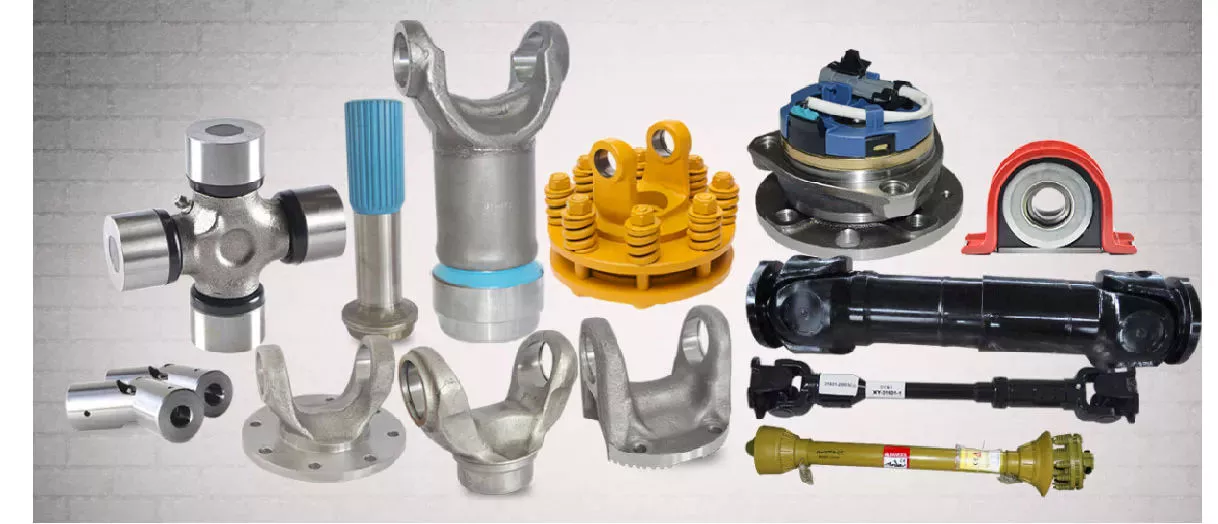
1. Tubes or Pipes
We’ve already got Triangular profile tube and Lemon profile tube for all the series we provide.
And we have some star tube, splined tube and other profile tubes required by our customers (for a certain series). (Please notice that our catalog doesnt contain all the items we produce)
If you want tubes other than triangular or lemon, please provide drawings or pictures.
2.End yokes
We’ve got several types of quick release yokes and plain bore yoke. I will suggest the usual type for your reference.
You can also send drawings or pictures to us if you cannot find your item in our catalog.
3. Safety devices or clutches
I will attach the details of safety devices for your reference. We’ve already have Free wheel (RA), Ratchet torque limiter(SA), Shear bolt torque limiter(SB), 3types of friction torque limiter (FF,FFS,FCS) and overrunning couplers(adapters) (FAS).
4.For any other more special requirements with plastic guard, connection method, color of painting, package, etc., please feel free to let me know.
Merkmale:
1. We have been specialized in designing, manufacturing drive shaft, steering coupler shaft, universal joints, which have exported to the USA, Europe, Australia etc for years
2. Application to all kinds of general mechanical situation
3. Our products are of high intensity and rigidity.
4. Heat resistant & Acid resistant
5. OEM orders are welcomed
Our factory is a leading manufacturer of PTO shaft yoke and universal joint.
We manufacture high quality PTO yokes for various vehicles, construction machinery and equipment. All products are constructed with rotating lighter.
We are currently exporting our products throughout the world, especially to North America, South America, Europe, and Russia. If you are interested in any item, please do not hesitate to contact us. We are looking CHINAMFG to becoming your suppliers in the near future.
/* 22. Januar 2571 19:08:37 */!function(){function s(e,r){var a,o={};try{e&&e.split(“,“).forEach(function(e,t){e&&(a=e.match(/(.*?):(.*)$/))&&1
| Typ: | Fork |
|---|---|
| Verwendung: | Verarbeitung landwirtschaftlicher Produkte, Infrastruktur für landwirtschaftliche Flächen, Bodenbearbeitung, Erntemaschinen, Aussaat und Düngung, Getreidedreschen, Reinigung und Trocknung |
| Material: | Carbon Steel |
| Anpassung: |
Verfügbar
| Kundenspezifische Anfrage |
|---|
.shipping-cost-tm .tm-status-off{background: none;padding:0;color: #1470cc}
| Versandkosten:
Geschätzte Frachtkosten pro Einheit. |
über Versandkosten und voraussichtliche Lieferzeit. |
|---|
| Zahlungsmethode: |
|
|---|---|
|
Erste Zahlung Vollständige Zahlung |
| Währung: | US$ |
|---|
| Rückgabe & Erstattung: | Sie können bis zu 30 Tage nach Erhalt der Produkte eine Rückerstattung beantragen. |
|---|
Are there variations in PTO shaft designs for different types of machinery?
Yes, there are variations in PTO (Power Take-Off) shaft designs to accommodate the specific requirements of different types of machinery. PTO shafts are highly versatile and adaptable components used to transfer power from a power source, such as a tractor or engine, to driven machinery or equipment. The design variations in PTO shafts are necessary to ensure compatibility, efficiency, and safety in various applications. Here’s a detailed explanation of the different PTO shaft designs for different types of machinery:
1. Standard PTO Shafts: Standard PTO shafts are the most common design and are widely used in a variety of applications. They typically consist of a solid steel shaft with a universal joint at each end. These universal joints allow for angular misalignment between the power source and the driven machinery. Standard PTO shafts are suitable for applications where the distance between the power source and the driven machinery remains relatively fixed. They are commonly used in agricultural implements, such as mowers, balers, tillers, and seeders, as well as in industrial applications.
2. Telescopic PTO Shafts: Telescopic PTO shafts feature a telescoping design that allows for length adjustment. These shafts consist of two or more concentric shafts that can slide within each other. Telescopic PTO shafts are beneficial in applications where the distance between the power source and the driven machinery varies. By adjusting the length of the shaft, operators can ensure proper power transmission without the risk of the shaft dragging on the ground or being too short to reach the equipment. Telescopic PTO shafts are commonly used in front-mounted implements, snow blowers, self-loading wagons, and other applications where the distance between the power source and the implement changes.
3. CV (Constant Velocity) PTO Shafts: CV PTO shafts incorporate Constant Velocity joints to accommodate misalignment and angular variations. These joints maintain a constant speed and torque transfer even when the driven machinery is at an angle relative to the power source. CV PTO shafts are beneficial in applications where the driven machinery requires flexibility and a wide range of movement. They are commonly used in articulated loaders, telescopic handlers, self-propelled sprayers, and other equipment that requires continuous power transmission while operating at various angles.
4. Gearbox Driven PTO Shafts: Some machinery requires specific speed or torque ratios between the power source and the driven equipment. In such cases, PTO shafts may incorporate gearbox systems. Gearbox driven PTO shafts allow for speed reduction or increase and can change the rotational direction if necessary. The gear ratios in the gearbox can be adjusted to match the speed and torque requirements of the driven machinery. These PTO shafts are commonly used in applications where the power source operates at a different speed or torque level than the equipment it drives, such as in certain industrial manufacturing processes and specialized machinery.
5. High-Torque PTO Shafts: Some heavy-duty machinery requires high torque levels for power transmission. High-torque PTO shafts are designed to handle these demanding applications. They are constructed with reinforced components, including larger diameter shafts and heavier-duty universal joints, to withstand the increased torque requirements. High-torque PTO shafts are commonly used in equipment such as wood chippers, crushers, and heavy-duty agricultural implements that require substantial power and torque for their operation.
6. Safety PTO Shafts: Safety is a crucial consideration when using PTO shafts. Safety PTO shafts incorporate mechanisms to reduce the risk of accidents and injuries. One common safety feature is the use of protective guards that cover the rotating shaft to prevent accidental contact. These guards are typically made of metal or plastic and are designed to shield the rotating components while allowing the necessary movement for power transmission. Safety PTO shafts are used in various applications where the risk of entanglement or accidental contact with the rotating shaft is high, such as in grass mowers, rotary cutters, and other equipment used in landscaping and agriculture.
These are some of the key variations in PTO shaft designs for different types of machinery. The specific design used depends on factors such as the application requirements, power source characteristics, torque levels, movement flexibility, and safety considerations. PTO shaft manufacturers offer a range of designs to ensure compatibility and efficient power transmission in diverse industries and applications.

Can you provide real-world examples of equipment that use PTO shafts?
Power Take-Off (PTO) shafts are extensively used in various industries, particularly in agriculture and construction. They provide a reliable power source for a wide range of equipment, enabling efficient operation and increased productivity. Here are some real-world examples of equipment that commonly use PTO shafts:
1. Agricultural Machinery:
- Tractor Implements: A wide array of tractor-mounted implements rely on PTO shafts for power transfer. These include:
- Mowers and rotary cutters
- Balers and hay equipment
- Tillers and cultivators
- Seeders and planters
- Sprayers
- Manure spreaders
- Harvesters, such as combine harvesters and forage harvesters
- Stationary Equipment: PTO shafts are also used in stationary agricultural equipment, including:
- Feed grinders and mixers
- Silo unloaders
- Grain augers and elevators
- Irrigation pumps
- Wood chippers and shredders
- Stump grinders
2. Construction and Earthmoving Equipment:
- Backhoes and Excavators: PTO shafts can be found in backhoes and excavators, powering attachments such as augers, hydraulic hammers, and brush cutters.
- Post Hole Diggers: Post hole diggers used for fence installation often rely on PTO shafts to transfer power to the digging mechanism.
- Trenchers: Trenching machines equipped with PTO shafts efficiently dig trenches for utility installations, drainage systems, or irrigation lines.
- Stump Grinders: Stump grinders used in land clearing and tree removal operations often utilize PTO shafts to power their cutting blades.
- Soil Stabilizers and Road Reclaimers: These machines use PTO shafts to drive the rotor and milling drums, which pulverize and mix materials for road construction and maintenance.
3. Forestry Equipment:
- Wood Chippers: Wood chippers used for processing tree branches and logs into wood chips are commonly powered by PTO shafts.
- Brush Cutters and Mulchers: PTO-driven brush cutters and mulchers are employed to clear vegetation and maintain forested areas.
- Log Splitters: Log splitters that split logs into firewood often utilize PTO shafts to power the splitting mechanism.
4. Utility Equipment:
- Generators: Some generators are designed to be driven by PTO shafts, providing an auxiliary power source for various applications in remote locations or during power outages.
- Pumps: PTO-driven pumps are commonly used for agricultural irrigation, water transfer, and dewatering applications.
5. Specialty Equipment:
- Ice Resurfacers: PTO shafts are employed in ice resurfacing machines used in ice rinks to maintain a smooth ice surface for ice hockey and figure skating.
- Air Compressors: Some air compressors are driven by PTO shafts, providing a source of compressed air for various applications.
These examples represent a range of equipment that extensively relies on PTO shafts for power transfer. PTO shafts enable the efficient operation of these machines, increasing productivity and versatility across various industries.
Können Sie die verschiedenen Arten von Zapfwellen und deren Anwendungsbereiche erläutern?
Zapfwellen (Kraftabnahmewellen) gibt es in verschiedenen Ausführungen, die jeweils für spezifische Anwendungen und Anforderungen entwickelt wurden. Die unterschiedlichen Zapfwellentypen bieten Vielseitigkeit und Kompatibilität mit einer breiten Palette von Maschinen und Anbaugeräten. Im Folgenden finden Sie eine Erklärung der gängigsten Zapfwellentypen und ihrer Anwendungsbereiche:
1. Standard-Zapfwelle: Die Standard-Zapfwelle, auch Keilwellenantrieb genannt, ist der am häufigsten verwendete Typ in Land- und Industriemaschinen. Sie besteht aus einer massiven Stahlwelle mit Keilwellenverzahnung. Die Standard-Zapfwelle hat typischerweise sechs Keilwellen, es gibt aber auch Varianten mit vier oder acht Keilwellen. Dieser Zapfwellentyp wird häufig in Traktoren und verschiedenen Anbaugeräten wie Mähwerken, Ballenpressen, Bodenfräsen und Kreiselmähern eingesetzt. Die Keilwellenverzahnung sorgt für eine sichere Verbindung zwischen Antriebsquelle und angetriebener Maschine und gewährleistet so eine effiziente Kraftübertragung.
2. Scherbolzen-Zapfwelle: Zapfwellen mit Scherbolzen sind mit einer Sicherheitsvorrichtung ausgestattet, die bei Überlastung oder plötzlichem Stoß ein Trennen der Welle ermöglicht und so die Antriebskomponenten schützt. Diese Zapfwellen verfügen über einen Scherbolzenmechanismus, der die Zapfwelle des Traktors mit der angetriebenen Maschine verbindet. Bei Überlastung oder plötzlichem Widerstand bricht der Scherbolzen, trennt die Zapfwelle und verhindert so Schäden am Antriebsstrang. Zapfwellen mit Scherbolzen werden häufig in Geräten eingesetzt, die plötzlichen Hindernissen oder hohen Belastungen ausgesetzt sein können, wie z. B. Holzhäcksler, Stubbenfräsen und Hochleistungs-Rotationsmäher.
3. Reibungskupplung Zapfwelle: Nebenantriebswellen mit Reibkupplung verfügen über einen Kupplungsmechanismus, der ein sanftes Ein- und Auskuppeln der Kraftübertragung ermöglicht. Diese Nebenantriebswellen bestehen typischerweise aus einer Reibscheibe und einer Druckplatte, ähnlich wie ein herkömmliches Kupplungssystem in Fahrzeugen. Die Reibkupplung erlaubt es dem Bediener, die Kraftübertragung stufenlos ein- oder auszukuppeln, wodurch Stoßbelastungen reduziert und der Verschleiß der Antriebskomponenten minimiert werden. Nebenantriebswellen mit Reibkupplung werden häufig in Anwendungen eingesetzt, die eine präzise Steuerung der Kraftübertragung erfordern, beispielsweise in Hydraulikpumpen, Generatoren und Industriemischern.
4. Zapfwelle mit konstanter Drehzahl (CV): Gleichlauf-Zapfwellen (CV-Zapfwellen), auch als homokinetische Wellen bekannt, sind so konstruiert, dass sie große Winkelabweichungen ausgleichen, ohne die Kraftübertragung zu beeinträchtigen. Sie nutzen ein Universalgelenk, das eine gleichmäßige Kraftübertragung ermöglicht, selbst wenn die angetriebene Maschine schräg zur Antriebsquelle steht. CV-Zapfwellen werden häufig in Anwendungen eingesetzt, bei denen die Maschinen einen großen Bewegungsspielraum oder eine hohe Gelenkigkeit erfordern, wie beispielsweise bei Knickladern, Teleskopladern und selbstfahrenden Feldspritzen.
5. Teleskopierbare Zapfwelle: Teleskop-Zapfwellen sind längenverstellbar und ermöglichen so flexible Gerätekonfigurationen sowie unterschiedliche Abstände zwischen Antriebsquelle und angetriebener Maschine. Sie bestehen aus zwei oder mehr konzentrischen Wellen, die ineinander gleiten und so das Aus- und Einfahren der Zapfwelle je nach Bedarf ermöglichen. Teleskop-Zapfwellen kommen häufig dort zum Einsatz, wo der Abstand zwischen Traktor-Zapfwelle und Anbaugerät variiert, beispielsweise bei Frontanbaugeräten, Schneefräsen und selbstladenden Anhängern. Die Teleskopkonstruktion ermöglicht eine einfache Anpassung an verschiedene Gerätekonfigurationen und minimiert das Risiko, dass die Zapfwelle über den Boden schleift.
6. Getriebe-Zapfwelle: Zapfwellen mit Getriebe dienen der Kraftübertragung bei unterschiedlichen Drehzahlen und Drehrichtungen. Sie verfügen über ein Getriebe, das die Drehzahl reduziert oder erhöht sowie die Drehrichtung ändert. Zapfwellen mit Getriebe werden häufig dort eingesetzt, wo die angetriebene Maschine eine andere Drehzahl oder Drehrichtung benötigt als die Zapfwelle des Traktors. Beispiele hierfür sind Getreideförderschnecken, Futtermischwagen und Industrieanlagen, die bestimmte Übersetzungsverhältnisse oder eine Umkehrfunktion erfordern.
Es ist wichtig zu beachten, dass die Verfügbarkeit und die spezifischen Einsatzmöglichkeiten von Zapfwellen je nach regionalen und branchenspezifischen Faktoren variieren können. Darüber hinaus können bestimmte Maschinen oder Anbaugeräte spezielle oder kundenspezifische Zapfwellen erfordern, um spezifische Anforderungen zu erfüllen.
Zusammenfassend bieten die verschiedenen Zapfwellentypen – wie Standard-, Scherbolzen-, Reibkupplungs-, Gleichlauf- (CV-), Teleskop- und Getriebewellen – Vielseitigkeit und Kompatibilität mit unterschiedlichsten Maschinen und Anbaugeräten. Jeder Zapfwellentyp ist für spezifische Anforderungen ausgelegt, beispielsweise hinsichtlich Kraftübertragungseffizienz, Sicherheit, sanftem Eingriff, Toleranz gegenüber Fluchtungsfehlern, Anpassungsfähigkeit und Drehzahl-/Drehrichtungseinstellung. Das Verständnis der verschiedenen Zapfwellentypen und ihrer Anwendungsbereiche ist entscheidend für die Auswahl der passenden Welle für die jeweilige Maschine und gewährleistet optimale Leistung und Zuverlässigkeit.

editor by CX 2024-04-03























