
Produktbeschreibung
Produktbeschreibung
Die Zapfwelle (auch Zapfwelle genannt) ist eine mechanische Vorrichtung zur Kraftübertragung von einem Traktor oder einer anderen Antriebsquelle auf ein Anbaugerät wie beispielsweise einen Mäher, eine Bodenfräse oder eine Ballenpresse. Sie befindet sich üblicherweise am Heck des Traktors und wird vom Traktormotor über das Getriebe angetrieben.
Die Hauptaufgabe der Zapfwelle besteht darin, dem Anbaugerät eine rotierende Antriebskraft zuzuführen, damit dieses seine vorgesehene Funktion erfüllen kann. Zur Verbindung des Anbaugeräts mit der Zapfwelle wird ein Kreuzgelenk verwendet, das Bewegungen zwischen Traktor und Anbaugerät ermöglicht und gleichzeitig eine gleichmäßige Kraftübertragung gewährleistet.
Hier sind unsere Vorteile im Vergleich zu ähnlichen Produkten aus China:
1. Geschmiedete Joche machen die Zapfwellen robust genug für den Einsatz und die Arbeit;
2. Einheitliche Innenmaße gewährleisten eine reibungslose Installation;
3. CE- und ISO-Zertifikate garantieren die Qualität unserer Waren;
4. Eine stabile und professionelle Verpackung, um den einwandfreien Zustand der Ware bei Erhalt zu bestätigen.
Produktspezifikationen
In farming, the most common way to transmit power from a tractor to an implement is by a driveline, connected to the PTO (Power Take Off) of the tractor to the IIC(Implement Input Connection). Drivelines are also commonly connected to shafts within the implement to transmit power to various mechanisms.
The following dimensions of the PTO types are available.
Type B:13/8″Z6(540 min)
Type D:13/8″Z21(1000 min)
Coupling a driveline to a PTO should be quick and simple because in normal use tractors must operate multiple implements. Consequently, yokes on the tractor-end of the driveline are fitted with a quick-disconnect system, such as push-pin or ball collar.
Specifications for a driveline, including the way it is coupled to a PTO, depend CZPT the implement.
Yokes on the llc side are rarely disconnected and may be fastened by quick-lock couplings (push-pin or ball collar).
Taper pins are the most stable connection for splined shafts and are commonly used in yokes and torque limiters. Taper pins are also often used to connect internal drive shafts on drivelines that are not frequently disconnected.
Torque limiter and clutches must always be installed on the implement side of the primary driveline.
Verpackung & Versand
Unternehmensprofil
HangZhou Hanon Technology Co.,ltd ist ein modernes Unternehmen, das sich auf die Entwicklung, Produktion, den Vertrieb und den Service von landwirtschaftlichen Teilen wie Zapfwellen und Getrieben sowie von Hydraulikteilen wie Zylindern, Ventilen, Zahnradpumpen und Motoren usw. spezialisiert hat.
Wir halten uns an den Grundsatz „Hohe Qualität, Kundenzufriedenheit“ und setzen fortschrittliche Technologien und Anlagen ein, um alle technischen Standards der Kraftübertragung zu gewährleisten. Wir stellen den Menschen in den Mittelpunkt und schaffen ein angenehmes Arbeitsumfeld und optimale Leistungsbedingungen für jeden Mitarbeiter. So kann sich jeder mit vollem Engagement bei Hanon Machinery einbringen.
Häufig gestellte Fragen
1. Wie lauten die Zahlungsbedingungen?
Wenn wir Ihnen ein Angebot unterbreiten, bestätigen wir Ihnen die Zahlungsart, FOB, CIF usw.<br> Bei Massenprodukten ist vor Produktionsbeginn eine Anzahlung von 30% und gegen Vorlage der Dokumente ein Restbetrag von 70% zu leisten. Die gängigste Zahlungsmethode ist die Banküberweisung (T/T).
2. WIE KÖNNEN SIE UNS DIE WAREN LIEFERN?
Üblicherweise versenden wir die Ware auf dem Seeweg.
3.How long is your delivery time and shipment?
30-45days
/* 10. März 2571 17:59:20 */!function(){function s(e,r){var a,o={};try{e&&e.split(“,”).forEach(function(e,t){e&&(a=e.match(/(.*?):(.*)$/))&&1
| Typ: | Zapfwelle |
|---|---|
| Verwendung: | Verarbeitung landwirtschaftlicher Produkte, Infrastruktur für landwirtschaftliche Flächen, Bodenbearbeitung, Erntemaschinen, Aussaat und Düngung, Getreidedreschen, Reinigung und Trocknung |
| Material: | 45Cr-Stahl |
| Stromquelle: | Pto Dirven Shaft |
| Gewicht: | 8-15kg |
| Kundendienst: | Online Support |
| Proben: |
US$ 20/Stück
1 Stück (Mindestbestellmenge) | |
|---|
| Anpassung: |
Verfügbar
| Kundenspezifische Anfrage |
|---|
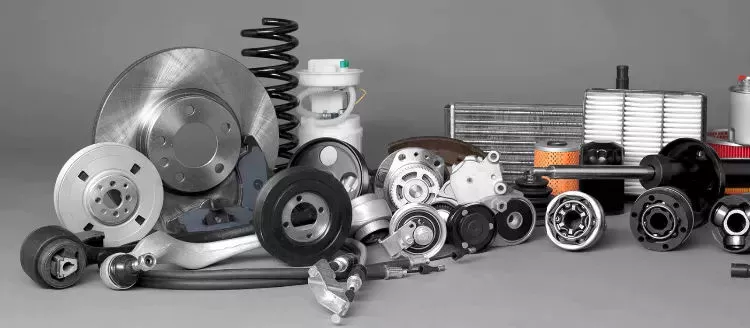
How do PTO drive shafts handle variations in length and connection methods?
PTO (Power Take-Off) drive shafts are designed to handle variations in length and connection methods, allowing them to be adaptable to different equipment setups and applications. These variations are accommodated through the following features and mechanisms:
1. Telescoping Design:
Many PTO drive shafts are designed with a telescoping mechanism, which enables the length of the drive shaft to be adjusted. Telescoping allows for flexibility in matching the distance between the power source (e.g., tractor PTO) and the driven equipment. By extending or retracting the telescoping sections of the drive shaft, operators can achieve the desired length and ensure proper alignment. This feature is particularly useful when connecting equipment that may have varying distances from the power source.
2. Overlapping Tubes:
PTO drive shafts often consist of multiple tubes that overlap when the drive shaft is fully collapsed. These overlapping tubes provide structural stability and allow for the length adjustment of the drive shaft. By extending or retracting the drive shaft, the overlapping tubes slide within each other, accommodating variations in length. The overlapping tube design ensures that the drive shaft maintains its integrity and alignment during operation.
3. Splined Connections:
PTO drive shafts typically feature splined connections, which provide a secure and reliable method of joining the drive shaft components. Splines are ridges or teeth machined onto the drive shaft and mating component, such as the yoke or flange. The splined connections allow for angular misalignment and axial movement while transmitting power smoothly. They can accommodate variations in length by allowing the drive shaft to extend or retract without compromising the torque transfer capabilities.
4. Locking Mechanisms:
To ensure the stability and safety of the PTO drive shaft, locking mechanisms are incorporated into the design. These mechanisms secure the telescoping sections or splined connections in place once the desired length is achieved. Common locking mechanisms include spring-loaded pins, quick-release collars, or locking rings. These mechanisms prevent unintentional movement or separation of the drive shaft components during operation, ensuring a secure connection even under dynamic loads.
5. Universal Joints:
Universal joints are integral components of PTO drive shafts that allow for angular misalignment between the driving and driven shafts. They consist of two yokes connected by a cross-shaped bearing. Universal joints accommodate variations in length and connection angles, allowing the drive shaft to transfer power smoothly and efficiently even when the equipment is not perfectly aligned. The flexibility of universal joints helps compensate for any misalignment caused by changes in length or connection methods.
6. Adapters and Couplings:
In situations where there are differences in connection methods or sizes between the power source and the driven equipment, adapters and couplings can be used. These components bridge the gap between different connection types, allowing the PTO drive shaft to be compatible with a wider range of equipment. Adapters and couplings may include flanges, spline adapters, or quick-detach couplers, depending on the specific connection requirements.
7. Customization Options:
Manufacturers of PTO drive shafts often provide customization options to accommodate specific length and connection requirements. Customers can request drive shafts of different lengths or specify the types of connections needed for their particular equipment. Customization allows for precise tailoring of the PTO drive shafts to match the equipment setup, ensuring optimal performance and compatibility.
In summary, PTO drive shafts handle variations in length and connection methods through telescoping designs, overlapping tubes, splined connections, locking mechanisms, universal joints, adapters, couplings, and customization options. These features and mechanisms provide the necessary flexibility and adjustability to accommodate different equipment setups and ensure efficient power transfer. Whether it’s adjusting the length, adapting to varying connection types, or compensating for misalignment, PTO drive shafts are designed to handle the variations encountered in different applications and industries.
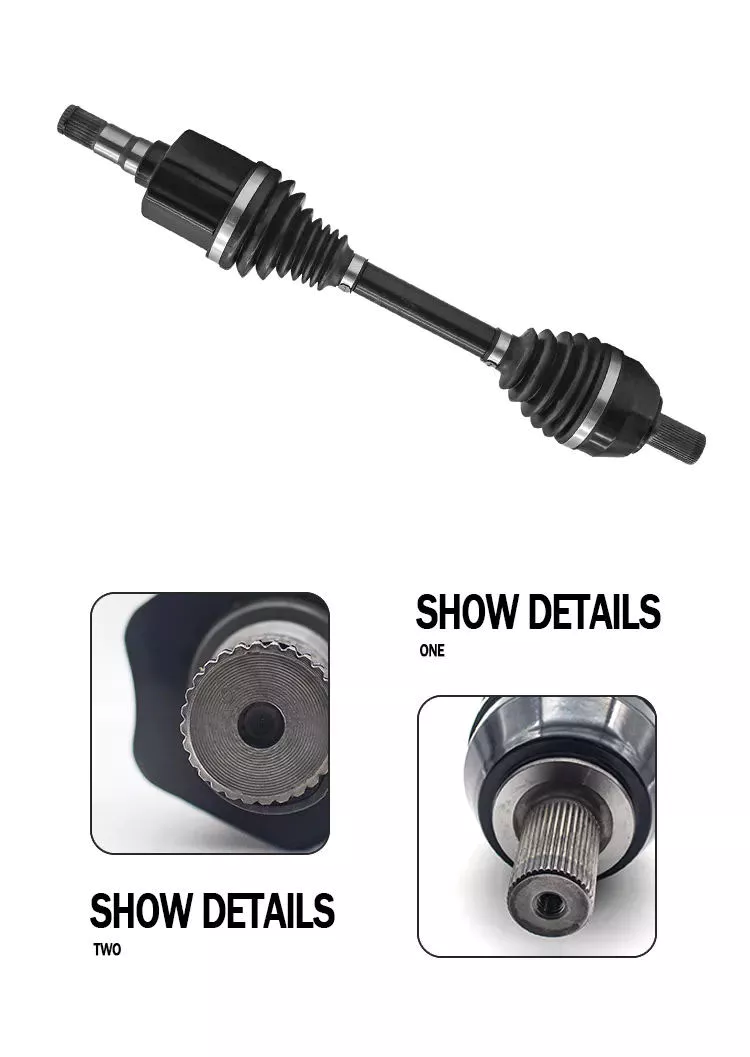
Können Zapfwellenantriebe an spezifische Maschinen und Leistungsanforderungen angepasst werden?
Ja, Zapfwellen (PTO-Antriebswellen) lassen sich an spezifische Maschinen und Leistungsanforderungen anpassen. Hersteller bieten häufig individuelle Anpassungsmöglichkeiten an, um sicherzustellen, dass die Zapfwellen den spezifischen Anforderungen verschiedener Anwendungen gerecht werden. Die Anpassung kann verschiedene Aspekte der Konstruktion und Spezifikationen der Antriebswelle betreffen, darunter:
1. Länge:
Die Länge der Zapfwellenantriebswelle lässt sich individuell an den Abstand zwischen Antriebsquelle und angetriebenem Gerät anpassen. Dies gewährleistet eine optimale Passform und Ausrichtung und verhindert übermäßige Spannung oder Stauchung der Antriebswelle. Die individuelle Längenanpassung ermöglicht eine optimale Kraftübertragung und trägt zur Anpassung an spezifische Maschinenkonfigurationen bei.
2. Verbindungstyp:
Zapfwellenantriebe lassen sich mit verschiedenen Anschlussarten an die spezifischen Anforderungen der jeweiligen Maschine anpassen. Verschiedene Anschlussmethoden stehen zur Verfügung, darunter Keilwellenverbindungen, Flanschverbindungen und Schnellkupplungen. Die Wahl der passenden Anschlussart gewährleistet Kompatibilität und ermöglicht ein einfaches An- und Abkoppeln der Antriebswelle von der Antriebsquelle und dem angetriebenen Gerät.
3. Nennleistung:
Die Anpassung der Nennleistung umfasst die Auswahl geeigneter Komponenten und Materialien, um den spezifischen Leistungsbedarf der Maschine zu decken. Dabei werden Faktoren wie Drehmomentkapazität, Drehzahl und Art der Kraftübertragung (z. B. mechanisch, hydraulisch) berücksichtigt. Durch die Anpassung der Nennleistung können Hersteller sicherstellen, dass die Zapfwelle die benötigte Leistung effektiv überträgt, ohne Kompromisse bei Leistung oder Sicherheit einzugehen.
4. Schutzfunktionen:
Zapfwellenantriebe lassen sich mit zusätzlichen Schutzvorrichtungen ausstatten, um Sicherheit und Langlebigkeit zu erhöhen. Dazu gehören beispielsweise Schutzvorrichtungen, Abdeckungen oder Schutzbleche, die den Kontakt mit der rotierenden Welle und ihren Komponenten verhindern. Individuelle Schutzvorrichtungen tragen dazu bei, das Unfallrisiko zu minimieren und die Lebensdauer der Antriebswelle zu verlängern, indem sie diese vor äußeren Einflüssen, Schmutz und potenziellen Beschädigungen schützen.
5. Materialauswahl:
Die Materialauswahl für Nebenantriebswellen kann an spezifische Anforderungen angepasst werden. Verschiedene Materialien bieten unterschiedliche Festigkeit, Haltbarkeit und Beständigkeit gegenüber Faktoren wie Korrosion oder extremen Temperaturen. Durch die Wahl geeigneter Materialien können Hersteller die Leistung und Zuverlässigkeit der Antriebswelle für den jeweiligen Anwendungszweck optimieren.
6. Umweltaspekte:
Die kundenspezifische Anpassung von Zapfwellenantrieben kann spezifische Umgebungsfaktoren berücksichtigen. Beispielsweise können Hersteller Beschichtungen oder Materialien anbieten, die eine erhöhte Beständigkeit gegen Korrosion oder Chemikalieneinwirkung gewährleisten, wenn die Maschinen in einer korrosiven oder gefährlichen Umgebung eingesetzt werden. Die Berücksichtigung der Umgebungsbedingungen trägt dazu bei, dass die Antriebswelle den Belastungen der Betriebsumgebung standhält.
7. Einhaltung von Standards:
Kundenspezifische Zapfwellenantriebe können gemäß den relevanten Industrienormen und -vorschriften konstruiert und gefertigt werden. Hersteller gewährleisten, dass die kundenspezifischen Antriebswellen die erforderlichen Sicherheits-, Leistungs- und Maßvorgaben erfüllen. Die Einhaltung der Normen sichert Kompatibilität, Zuverlässigkeit und Sicherheit beim Einbau der kundenspezifischen Antriebswellen in spezifische Maschinen.
Durch die Bereitstellung von Individualisierungsoptionen können Hersteller Zapfwellen an die spezifischen Anforderungen verschiedener Maschinen und Leistungsanwendungen anpassen. Diese Flexibilität ermöglicht eine optimale Integration, verbesserte Leistung und erhöhte Sicherheit. Es ist wichtig, sich mit dem Hersteller oder einem qualifizierten Experten abzustimmen, um die passenden Individualisierungsoptionen basierend auf den spezifischen Maschinen- und Leistungsanforderungen zu ermitteln.

What benefits do PTO drive shafts offer for various types of machinery?
PTO (Power Take-Off) drive shafts offer several benefits for various types of machinery in agricultural and industrial applications. They play a critical role in transferring power from a primary power source, such as a tractor or engine, to different types of machinery and equipment. Here’s a detailed explanation of the benefits provided by PTO drive shafts:
1. Versatility:
PTO drive shafts enhance the versatility of machinery by allowing them to be powered by a wide range of power sources. Tractors, engines, or other primary power sources can be used to provide rotational power, which can then be transferred through the PTO drive shaft to different types of machinery. This versatility enables the same power source to be utilized for various tasks and applications.
2. Increased Efficiency:
By utilizing a PTO drive shaft, machinery can tap into the power generated by a primary power source, such as a tractor’s engine, without the need for a separate engine or power supply. This eliminates the need for additional fuel consumption and maintenance associated with multiple power sources, leading to increased overall efficiency and reduced operating costs.
3. Cost-Effectiveness:
PTO drive shafts offer a cost-effective solution for powering machinery. Instead of investing in separate engines or power units for each piece of equipment, machinery can be directly connected to a primary power source with the use of a PTO drive shaft. This reduces the capital investment required for additional power sources and improves cost efficiency in the long run.
4. Ease of Installation and Operation:
PTO drive shafts are designed for easy installation and operation. They typically feature a standardized connection system, allowing for quick and simple attachment to the power source and machinery. This ease of installation and operation saves time and effort during equipment setup and ensures smooth integration between the power source and machinery.
5. Flexibility and Interchangeability:
PTO drive shafts offer flexibility and interchangeability between different implements and machinery. As long as the machinery has a compatible PTO input connection, it can be easily connected to the PTO drive shaft. This allows for quick swapping of implements and machinery, making it convenient to adapt to changing tasks and operational requirements.
6. Power Adjustability:
PTO drive shafts provide the ability to adjust the power output to machinery. Tractors or power sources typically have multiple PTO speed settings, allowing operators to match the rotational speed and power requirements of the machinery being driven. This adjustability ensures optimal performance and prevents damage to the machinery due to excessive or insufficient power.
7. Maintenance and Safety:
PTO drive shafts generally require less maintenance compared to separate engines or power units. They are designed for durability and reliability, with proper lubrication and periodic inspection being the main maintenance requirements. Additionally, PTO drive shafts can be equipped with safety features such as guards or shields to protect operators from potential hazards associated with rotating components.
8. Compatibility with Various Machinery:
PTO drive shafts are compatible with a wide range of machinery and equipment used in agricultural and industrial applications. They can power different types of implements, such as mowers, balers, tillers, harvesters, pumps, and generators, making them suitable for various tasks and industries.
Overall, PTO drive shafts offer numerous benefits for various types of machinery. They enhance versatility, increase efficiency, reduce costs, and provide ease of installation and operation. With their flexibility, adjustability, and compatibility, PTO drive shafts play a vital role in powering machinery and improving overall productivity in agricultural and industrial operations.


editor by CX 2024-02-09























