
Produktbeschreibung
Huading SWC Type Cardan Drive Shaft
No machine element other than a Cardan shaft allows power transmission of torque between spatially offset driving and driven shafts whose position can be changed during operation.
Spatial angular motion and changes in axial length are ensured by advanced constructional elements.
Thus, Cardan shafts have become an indispensable transmission component in industrial production.
Typical applications: Steel mill machinery, paper mill machinery, levelers, marine propulsion, pumps, amusement rides, wastewater treatment.
Advantage:
1. Low life-cycle costs and long service life;
2. Increase productivity;
3. Professional and innovative solutions;
4. Reduce carbon dioxide emissions and environmental protection;
5. High torque capacity even at large deflection angles;
6. Easy to move and run smoothly;
♦SWC CH Cardan Shaft Basic Parameter And Main Dimension:
| Model | Tactical diameter D mm |
Nominal torque Tn kN·m |
Fatigue torque Tf kN·m |
Axis rotation β (°) |
Stretch length LS mm |
Lmin | Size mm |
Rotary inertia kg.m2 |
Gewicht kg |
||||||||||
| D1 js11 |
D2 H7 |
D3 | Lm | n-d | k | t | b h9 |
g | Lmin |
Increase 100mm |
Lmin | Increase 100mm |
|||||||
| SWC180CH1 | 180 | 20 | 10 | ≤25 | 200 | 925 | 155 | 105 | 114 | 110 | 8-17 | 17 | 5 | 24 | 7 | 0.181 | 0.0070 | 74 | 2.8 |
| SWC180CH2 | 700 | 1425 | 0.216 | 104 | |||||||||||||||
| SWC200CH1 | 200 | 32 | 16 | ≤15 | 80 | 720 | 170 | 120 | 127 | 135 | 8-17 | 19 | 5 | 28 | 16 | 0.276 | 0.0130 | 76 | 3.6 |
| SWC200CH2 | 50 | 690 | 0.261 | 74 | |||||||||||||||
| SWC225CH1 | 225 | 40 | 20 | ≤15 | 85 | 710 | 196 | 135 | 152 | 120 | 8-17 | 20 | 5 | 32 | 9.0 | 0.415 | 0.5714 | 95 | 4.9 |
| SWC225CH2 | 70 | 640 | 0.397 | 92 | |||||||||||||||
| SWC250CH1 | 250 | 63 | 31.5 | ≤15 | 100 | 795 | 218 | 150 | 168 | 140 | 8-19 | 25 | 6 | 40 | 12.5 | 0.900 | 0.5717 | 148 | 5.3 |
| SWC250CH2 | 70 | 735 | 0.885 | 136 | |||||||||||||||
| SWC285CH1 | 285 | 90 | 45 | ≤15 | 120 | 950 | 245 | 170 | 194 | 160 | 8-21 | 27 | 7 | 40 | 15.0 | 1.826 | 0.571 | 229 | 6.3 |
| SWC285CH2 | 80 | 880 | 1.801 | 221 | |||||||||||||||
| SWC315CH1 | 315 | 125 | 63 | ≤15 | 130 | 1070 | 280 | 185 | 219 | 180 | 10-23 | 32 | 8 | 40 | 15.0 | 3.331 | 0.571 | 346 | 8.0 |
| SWC315CH2 | 90 | 980 | 3.163 | 334 | |||||||||||||||
| SWC350CH1 | 350 | 180 | 90 | ≤15 | 140 | 1170 | 310 | 210 | 267 | 194 | 10-23 | 35 | 8 | 50 | 16.0 | 6.215 | 0.2219 | 508 | 15.0 |
| SWC350CH2 | 90 | 1070 | 5.824 | 485 | |||||||||||||||
| SWC390CH1 | 390 | 250 | 125 | ≤15 | 150 | 1300 | 345 | 235 | 267 | 215 | 10-25 | 40 | 8 | 70 | 18.0 | 11.125 | 0.2219 | 655 | 15.0 |
| SWC390CH2 | 90 | 1200 | 10.763 | 600 | |||||||||||||||
| SWC440CH1 | 440 | 355 | 180 | ≤15 | 400 | 2110 | 390 | 255 | 325 | 260 | 16-28 | 42 | 10 | 80 | 20 | 22.540 | 0.4744 | 1312 | 21.7 |
| SWC440CH2 | 800 | 2510 | 24.430 | 1537 | |||||||||||||||
| SWC490CH1 | 490 | 500 | 250 | ≤15 | 400 | 2220 | 435 | 275 | 325 | 270 | 16-31 | 47 | 12 | 90 | 22.5 | 33.970 | 0.4744 | 1554 | 21.7 |
| SWC490CH2 | 800 | 2620 | 35.870 | 1779 | |||||||||||||||
| SWC550CH1 | 550 | 710 | 355 | ≤15 | 500 | 2585 | 492 | 320 | 426 | 305 | 16-31 | 50 | 12 | 100 | 22.5 | 72.790 | 1.3570 | 2585 | 34.0 |
| SWC550CH2 | 1000 | 3085 | 79.570 | 3045 | |||||||||||||||
·Notice:1.Tf-Torque allowed by fatigue strength under variable load
2. Lmin-Minimum length after shortening
3. L-Installation length as required
Universal Joint Shafts Features:
1. We have a very complete supply chain system, and can provide over 1000 different spare parts.
2 . Elastomer connecting in the middle;
3. Can absorb vibration, compensates for radial, axial and angular deviation;
4. Oil resistance and electrical insulation;
5. Have the same characteristic of clockwise and anticlockwise rotation;
Cardan Shaft Types:
We can supply you with SWP, SWC, WSD, and WS universal coupling as follows:
Welded shaft type with length compensation/ expansion joint
Short type with length compensation/ expansion joint
Short type without length compensation/ expansion joint
Long type without length compensation/ expansion joint
Double flange with length compensation/ expansion joint
Long type with big length compensation / big expansion joint
Super Short type with length compensation/ expansion joint
Our Services:
1. Design Services
Our design team has experience in Universal Joint shafts relating to product design and development. If you have any needs for your new product or wish to make further improvements, we are here to offer our support.
2. Product Services
Raw materials → Cutting → Forging →Rough machining →Shot blasting →Heat treatment →Testing →Fashioning →Cleaning→ Assembly→Packing→Shipping
3. Samples Procedure
We could develop the sample according to your requirement and amend the sample constantly to meet your need.
4. Research & Development
We usually research the new needs of the market and develop new models when there are new cars in the market.
5. Quality Control
Every step should be a special test by Professional Staff according to the standard of ISO9001 and TS16949.
Häufig gestellte Fragen
Q 1: Are you a trading company or a manufacturer?
A: We are a professional manufacturer specializing in manufacturing
various series of Cardan shafts.
Q 2:Can you do OEM?
Yes, we can. We can do OEM & ODM for all the customers with customized artwork in PDF or AI format.
Q 3:How long is your delivery time?
Generally, it is 20-30 days if the goods are not in stock. It is according to quantity.
Q 4: Do you provide samples? Is it free or extra?
Yes, we could offer the sample but not for free. Actually, we have an excellent price principle, when you make the bulk order the cost of the sample will be deducted.
Q 5: How long is your warranty?
A: Our Warranty is 12 months under normal circumstances.
Q 6: What is the MOQ?
A: Usually our MOQ is 1pcs.
Q 7: Do you have inspection procedures for coupling?
A:100% self-inspection before packing.
Q 8: Can I have a visit to your factory before the order?
A: Sure, welcome to visit our factory.
Q 9: What’s your payment?
A:1) T/T.
Welcome to Kontaktieren Sie uns for more detailed information about Cardan shafts!
/* 22. Januar 2571 19:08:37 */!function(){function s(e,r){var a,o={};try{e&&e.split(“,“).forEach(function(e,t){e&&(a=e.match(/(.*?):(.*)$/))&&1
| Standard Or Nonstandard: | Nonstandard |
|---|---|
| Shaft Hole: | as Your Requirement |
| Torque: | as Your Requirement |
| Anpassung: |
Verfügbar
| Kundenspezifische Anfrage |
|---|
.shipping-cost-tm .tm-status-off{background: none;padding:0;color: #1470cc}
|
Versandkosten:
Geschätzte Frachtkosten pro Einheit. |
über Versandkosten und voraussichtliche Lieferzeit. |
|---|
| Zahlungsmethode: |
|
|---|---|
|
Erste Zahlung Vollständige Zahlung |
| Währung: | US$ |
|---|
| Rückgabe & Erstattung: | Sie können bis zu 30 Tage nach Erhalt der Produkte eine Rückerstattung beantragen. |
|---|
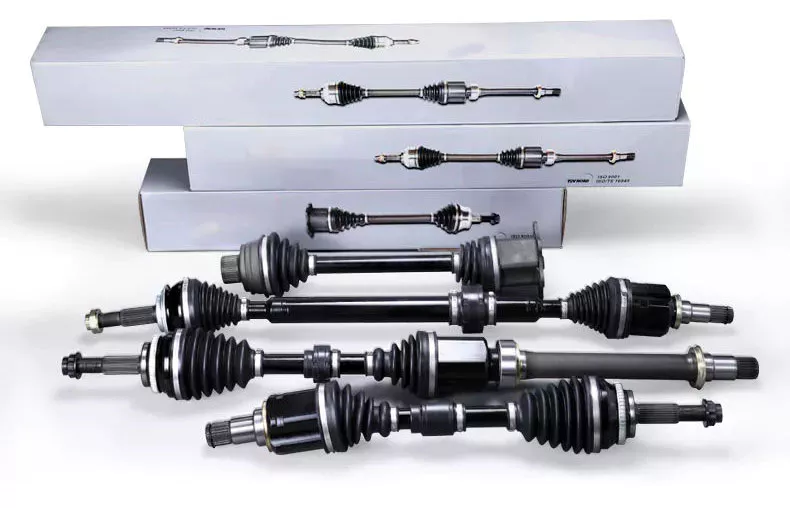
What maintenance practices are crucial for prolonging the lifespan of drive shafts?
To prolong the lifespan of drive shafts and ensure their optimal performance, several maintenance practices are crucial. Regular maintenance helps identify and address potential issues before they escalate, reduces wear and tear, and ensures the drive shaft operates smoothly and efficiently. Here are some essential maintenance practices for prolonging the lifespan of drive shafts:
1. Regelmäßige Inspektion:
Performing regular inspections is vital for detecting any signs of wear, damage, or misalignment. Inspect the drive shaft visually, looking for cracks, dents, or any signs of excessive wear on the shaft itself and its associated components such as joints, yokes, and splines. Check for any signs of lubrication leaks or contamination. Additionally, inspect the fasteners and mounting points to ensure they are secure. Early detection of any issues allows for timely repairs or replacements, preventing further damage to the drive shaft.
2. Schmierung:
Proper lubrication is essential for the smooth operation and longevity of drive shafts. Lubricate the joints, such as universal joints or constant velocity joints, as recommended by the manufacturer. Lubrication reduces friction, minimizes wear, and helps dissipate heat generated during operation. Use the appropriate lubricant specified for the specific drive shaft and application, considering factors such as temperature, load, and operating conditions. Regularly check the lubrication levels and replenish as necessary to ensure optimal performance and prevent premature failure.
3. Balancing and Alignment:
Maintaining proper balancing and alignment is crucial for the lifespan of drive shafts. Imbalances or misalignments can lead to vibrations, accelerated wear, and potential failure. If vibrations or unusual noises are detected during operation, it is important to address them promptly. Perform balancing procedures as necessary, including dynamic balancing, to ensure even weight distribution along the drive shaft. Additionally, verify that the drive shaft is correctly aligned with the engine or power source and the driven components. Misalignment can cause excessive stress on the drive shaft, leading to premature failure.
4. Protective Coatings:
Applying protective coatings can help prolong the lifespan of drive shafts, particularly in applications exposed to harsh environments or corrosive substances. Consider using coatings such as zinc plating, powder coating, or specialized corrosion-resistant coatings to enhance the drive shaft’s resistance to corrosion, rust, and chemical damage. Regularly inspect the coating for any signs of degradation or damage, and reapply or repair as necessary to maintain the protective barrier.
5. Drehmoment- und Befestigungsprüfung:
Ensure that the drive shaft’s fasteners, such as bolts, nuts, or clamps, are properly torqued and secured according to the manufacturer’s specifications. Loose or improperly tightened fasteners can lead to excessive vibrations, misalignment, or even detachment of the drive shaft. Periodically check and retighten the fasteners as recommended or after any maintenance or repair procedures. Additionally, monitor the torque levels during operation to ensure they remain within the specified range, as excessive torque can strain the drive shaft and lead to premature failure.
6. Environmental Protection:
Protecting the drive shaft from environmental factors can significantly extend its lifespan. In applications exposed to extreme temperatures, moisture, chemicals, or abrasive substances, take appropriate measures to shield the drive shaft. This may include using protective covers, seals, or guards to prevent contaminants from entering and causing damage. Regular cleaning of the drive shaft, especially in dirty or corrosive environments, can also help remove debris and prevent buildup that could compromise its performance and longevity.
7. Manufacturer Guidelines:
Follow the manufacturer’s guidelines and recommendations for maintenance practices specific to the drive shaft model and application. The manufacturer’s instructions may include specific intervals for inspections, lubrication, balancing, or other maintenance tasks. Adhering to these guidelines ensures that the drive shaft is properly maintained and serviced, maximizing its lifespan and minimizing the risk of unexpected failures.
By implementing these maintenance practices, drive shafts can operate reliably, maintain efficient power transmission, and have an extended service life, ultimately reducing downtime and ensuring optimal performance in various applications.

How do drive shafts contribute to the efficiency of vehicle propulsion and power transmission?
Drive shafts play a crucial role in the efficiency of vehicle propulsion and power transmission systems. They are responsible for transferring power from the engine or power source to the wheels or driven components. Here’s a detailed explanation of how drive shafts contribute to the efficiency of vehicle propulsion and power transmission:
1. Energieübertragung:
Drive shafts transmit power from the engine or power source to the wheels or driven components. By efficiently transferring rotational energy, drive shafts enable the vehicle to move forward or drive the machinery. The design and construction of drive shafts ensure minimal power loss during the transfer process, maximizing the efficiency of power transmission.
2. Torque Conversion:
Drive shafts can convert torque from the engine or power source to the wheels or driven components. Torque conversion is necessary to match the power characteristics of the engine with the requirements of the vehicle or machinery. Drive shafts with appropriate torque conversion capabilities ensure that the power delivered to the wheels is optimized for efficient propulsion and performance.
3. Gleichlaufgelenke (CV-Gelenke):
Many drive shafts incorporate Constant Velocity (CV) joints, which help maintain a constant speed and efficient power transmission, even when the driving and driven components are at different angles. CV joints allow for smooth power transfer and minimize vibration or power losses that may occur due to changing operating angles. By maintaining constant velocity, drive shafts contribute to efficient power transmission and improved overall vehicle performance.
4. Lightweight Construction:
Efficient drive shafts are often designed with lightweight materials, such as aluminum or composite materials. Lightweight construction reduces the rotational mass of the drive shaft, which results in lower inertia and improved efficiency. Reduced rotational mass enables the engine to accelerate and decelerate more quickly, allowing for better fuel efficiency and overall vehicle performance.
5. Minimized Friction:
Efficient drive shafts are engineered to minimize frictional losses during power transmission. They incorporate features such as high-quality bearings, low-friction seals, and proper lubrication to reduce energy losses caused by friction. By minimizing friction, drive shafts enhance power transmission efficiency and maximize the available power for propulsion or operating other machinery.
6. Balanced and Vibration-Free Operation:
Drive shafts undergo dynamic balancing during the manufacturing process to ensure smooth and vibration-free operation. Imbalances in the drive shaft can lead to power losses, increased wear, and vibrations that reduce overall efficiency. By balancing the drive shaft, it can spin evenly, minimizing vibrations and optimizing power transmission efficiency.
7. Maintenance and Regular Inspection:
Proper maintenance and regular inspection of drive shafts are essential for maintaining their efficiency. Regular lubrication, inspection of joints and components, and prompt repair or replacement of worn or damaged parts help ensure optimal power transmission efficiency. Well-maintained drive shafts operate with minimal friction, reduced power losses, and improved overall efficiency.
8. Integration with Efficient Transmission Systems:
Drive shafts work in conjunction with efficient transmission systems, such as manual, automatic, or continuously variable transmissions. These transmissions help optimize power delivery and gear ratios based on driving conditions and vehicle speed. By integrating with efficient transmission systems, drive shafts contribute to the overall efficiency of the vehicle propulsion and power transmission system.
9. Aerodynamic Considerations:
In some cases, drive shafts are designed with aerodynamic considerations in mind. Streamlined drive shafts, often used in high-performance or electric vehicles, minimize drag and air resistance to improve overall vehicle efficiency. By reducing aerodynamic drag, drive shafts contribute to the efficient propulsion and power transmission of the vehicle.
10. Optimized Length and Design:
Drive shafts are designed to have optimal lengths and designs to minimize energy losses. Excessive drive shaft length or improper design can introduce additional rotational mass, increase bending stresses, and result in energy losses. By optimizing the length and design, drive shafts maximize power transmission efficiency and contribute to improved overall vehicle efficiency.
Overall, drive shafts contribute to the efficiency of vehicle propulsion and power transmission through effective power transfer, torque conversion, utilization of CV joints, lightweight construction, minimized friction, balanced operation, regular maintenance, integration with efficient transmission systems, aerodynamic considerations, and optimized length and design. By ensuring efficient power delivery and minimizing energy losses, drive shafts play a significant role in enhancing the overall efficiency and performance of vehicles and machinery.

Was ist eine Antriebswelle und wie funktioniert sie in Fahrzeugen und Maschinen?
Eine Antriebswelle, auch Kardanwelle oder Antriebswelle genannt, ist ein mechanisches Bauteil, das eine entscheidende Rolle bei der Übertragung der Drehbewegung vom Motor auf die Räder oder andere angetriebene Komponenten in Fahrzeugen und Maschinen spielt. Sie wird häufig in verschiedenen Fahrzeugtypen eingesetzt, darunter Pkw, Lkw, Motorräder sowie Land- und Industriemaschinen. Hier finden Sie eine detaillierte Erklärung, was eine Antriebswelle ist und wie sie funktioniert:
1. Definition und Konstruktion: Eine Antriebswelle ist ein zylindrisches Metallrohr, das den Motor bzw. die Antriebsquelle mit den Rädern oder angetriebenen Bauteilen verbindet. Sie besteht üblicherweise aus Stahl oder Aluminium und setzt sich aus einem oder mehreren Rohrsegmenten mit Kreuzgelenken an jedem Ende zusammen. Diese Kreuzgelenke ermöglichen Winkelbewegungen und gleichen Fluchtungsfehler zwischen Motor/Getriebe und den angetriebenen Rädern bzw. Bauteilen aus.
2. Kraftübertragung: Die Hauptfunktion einer Antriebswelle besteht darin, die Drehbewegung des Motors oder der Energiequelle auf die Räder oder angetriebenen Bauteile zu übertragen. In Fahrzeugen verbindet die Antriebswelle die Abtriebswelle des Getriebes mit dem Differential, welches die Kraft dann auf die Räder überträgt. In Maschinen überträgt die Antriebswelle die Kraft des Motors auf verschiedene angetriebene Bauteile wie Pumpen, Generatoren oder andere mechanische Systeme.
3. Drehmoment und Drehzahl: Die Antriebswelle überträgt sowohl Drehmoment als auch Drehzahl. Das Drehmoment ist die vom Motor oder der Energiequelle erzeugte Drehkraft, die Drehzahl die Anzahl der Umdrehungen pro Minute (U/min). Die Antriebswelle muss das erforderliche Drehmoment ohne übermäßige Verdrehung oder Biegung übertragen und die gewünschte Drehzahl für den effizienten Betrieb der angetriebenen Komponenten aufrechterhalten können.
4. Flexible Kupplung: Die Kreuzgelenke an der Antriebswelle bilden eine flexible Verbindung, die Winkelbewegungen und den Ausgleich von Fluchtungsfehlern zwischen Motor/Getriebe und den angetriebenen Rädern oder Bauteilen ermöglicht. Bei Bewegungen des Fahrwerks oder auf unebenem Gelände passt die Antriebswelle ihre Länge und ihren Winkel an, um diese Bewegungen auszugleichen. Dies gewährleistet eine gleichmäßige Kraftübertragung und verhindert Schäden an den Antriebskomponenten.
5. Länge und Balance: Die Länge der Antriebswelle wird durch den Abstand zwischen Motor bzw. Antriebsquelle und den angetriebenen Rädern oder Bauteilen bestimmt. Sie muss entsprechend dimensioniert sein, um eine optimale Kraftübertragung zu gewährleisten und übermäßige Vibrationen oder Verformungen zu vermeiden. Darüber hinaus wird die Antriebswelle sorgfältig ausgewuchtet, um Vibrationen und Rotationsunwuchten zu minimieren, die zu Unbehagen führen, die Effizienz mindern und vorzeitigen Verschleiß der Antriebskomponenten verursachen können.
6. Sicherheitsaspekte: Antriebswellen in Fahrzeugen und Maschinen erfordern geeignete Sicherheitsvorkehrungen. In Fahrzeugen sind Antriebswellen häufig in einem Schutzrohr oder Gehäuse eingeschlossen, um den Kontakt mit beweglichen Teilen zu verhindern und das Verletzungsrisiko bei einer Fehlfunktion oder einem Ausfall zu verringern. Zusätzlich werden in Maschinen üblicherweise Schutzabdeckungen oder Schutzvorrichtungen um freiliegende Antriebswellen angebracht, um die Bediener vor potenziellen Gefahren durch rotierende Bauteile zu schützen.
7. Wartung und Inspektion: Regelmäßige Wartung und Inspektion von Antriebswellen sind unerlässlich für deren einwandfreie Funktion und lange Lebensdauer. Dazu gehört die Überprüfung der Kreuzgelenke auf Verschleiß, Beschädigungen oder übermäßiges Spiel, die Inspektion der Antriebswelle auf Risse oder Verformungen sowie die Schmierung der Kreuzgelenke gemäß Herstellervorgaben. Eine ordnungsgemäße Wartung beugt Ausfällen vor, gewährleistet optimale Leistung und verlängert die Lebensdauer der Antriebswelle.
Zusammenfassend lässt sich sagen, dass eine Antriebswelle ein mechanisches Bauteil ist, das die Drehbewegung vom Motor oder der Antriebsquelle auf die Räder oder angetriebenen Komponenten von Fahrzeugen und Maschinen überträgt. Sie stellt eine starre Verbindung zwischen Motor/Getriebe und den angetriebenen Rädern oder Komponenten her und ermöglicht gleichzeitig Winkelbewegungen und den Ausgleich von Fluchtungsfehlern durch Kreuzgelenke. Die Antriebswelle spielt eine entscheidende Rolle bei der Kraftübertragung, der Drehmoment- und Drehzahlübertragung, der flexiblen Kupplung, der Einhaltung von Längen- und Auswuchtvorgaben sowie der Gewährleistung von Sicherheit und Wartung. Ihre einwandfreie Funktion ist unerlässlich für den reibungslosen und effizienten Betrieb von Fahrzeugen und Maschinen.


editor by CX 2024-03-03























