
Produktbeschreibung
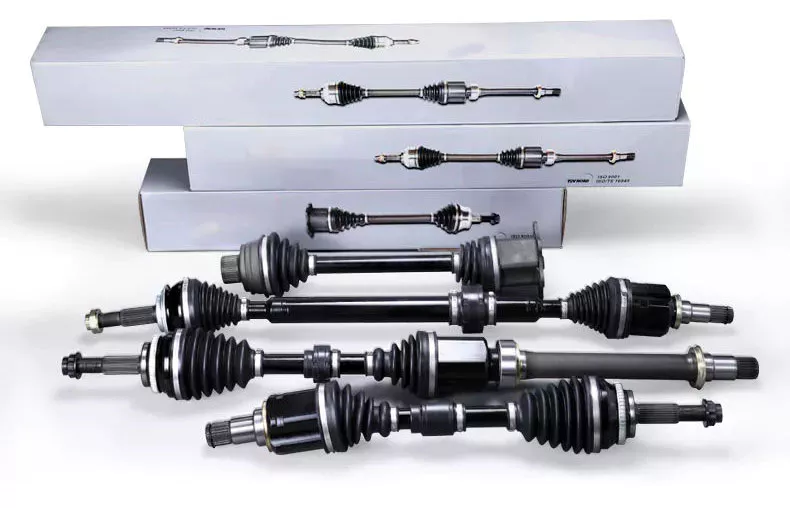
| Beschreibung | Axle Drive Propeller Shaft// 225717106 for E83 X3 2.5I 3.0I |
| OEM Number | 2625716677// 225717106 |
| Marke | Frey |
| Anwendung | E83 |
| Market Type | Aftermarket |
| Price Term | EXW, FOB HangZhou/HangZhou |
| Payment | T/T, Paypal, West Union, L/C, Cash, etc |
| Quality | Produced according to the OE Parts |
| Certificate | TUV, SGS |
| Packing | Frey Brand, Customer Brand, Neutral Packing |
| Delivery Time | 5-15 days if in stock |
| Export Areas | Sounth America, Europe, Amercia, Asia |
Frey, since 2004, is a Supply Chain Management Co, Ltd.For automotive after-market integrating R8D, operation, sales,service,import and export trade of automo-bile parts. Our core products focus on serving the CZPT brand such as Mer-cedes Benz and BMW And we are a brand supplier with the most complete SkU in automotive aftermar-ket in China.ln China, CZPT has morethan 150 agency outlets, and the sales of prod-ucts have covered more than 110 countries and regions around theworld, basicallyrealizing the sales network all over the world.As a wel-known global auto partsbrand,Frey has a global supply intelligence distribution centers in HangZhoucover-ing a total area of 15000 square meters. in the digital modern industrial system, through the introduction of perfect ware-housing and logistics system and SAPintelligent management system, CZPT prod-ucts are more rigorous and meticulous in the production and operation.warehousingmanagement,accurate distribution and other series of operation processes.
In the past 17 years, CZPT Brand has always adhered to independent researchand development,with technologyas the driving force and products as the core.Soevery year, more than 800 new products are introduced, with atotal of more than15000 products. The products produced by CZPT Brand have successfully passed the SO 9001quality management systemcertification by TUV South Germany group.
| Kundendienst: | 12 Months |
|---|---|
| Zustand: | Neu |
| Color: | Black |
.shipping-cost-tm .tm-status-off{background: none;padding:0;color: #1470cc}
|
Versandkosten:
Geschätzte Frachtkosten pro Einheit. |
über Versandkosten und voraussichtliche Lieferzeit. |
|---|
| Zahlungsmethode: |
|
|---|---|
|
Erste Zahlung Vollständige Zahlung |
| Währung: | US$ |
|---|
| Rückgabe & Erstattung: | Sie können bis zu 30 Tage nach Erhalt der Produkte eine Rückerstattung beantragen. |
|---|
What maintenance practices are crucial for prolonging the lifespan of drive shafts?
To prolong the lifespan of drive shafts and ensure their optimal performance, several maintenance practices are crucial. Regular maintenance helps identify and address potential issues before they escalate, reduces wear and tear, and ensures the drive shaft operates smoothly and efficiently. Here are some essential maintenance practices for prolonging the lifespan of drive shafts:
1. Regelmäßige Inspektion:
Performing regular inspections is vital for detecting any signs of wear, damage, or misalignment. Inspect the drive shaft visually, looking for cracks, dents, or any signs of excessive wear on the shaft itself and its associated components such as joints, yokes, and splines. Check for any signs of lubrication leaks or contamination. Additionally, inspect the fasteners and mounting points to ensure they are secure. Early detection of any issues allows for timely repairs or replacements, preventing further damage to the drive shaft.
2. Schmierung:
Proper lubrication is essential for the smooth operation and longevity of drive shafts. Lubricate the joints, such as universal joints or constant velocity joints, as recommended by the manufacturer. Lubrication reduces friction, minimizes wear, and helps dissipate heat generated during operation. Use the appropriate lubricant specified for the specific drive shaft and application, considering factors such as temperature, load, and operating conditions. Regularly check the lubrication levels and replenish as necessary to ensure optimal performance and prevent premature failure.
3. Balancing and Alignment:
Maintaining proper balancing and alignment is crucial for the lifespan of drive shafts. Imbalances or misalignments can lead to vibrations, accelerated wear, and potential failure. If vibrations or unusual noises are detected during operation, it is important to address them promptly. Perform balancing procedures as necessary, including dynamic balancing, to ensure even weight distribution along the drive shaft. Additionally, verify that the drive shaft is correctly aligned with the engine or power source and the driven components. Misalignment can cause excessive stress on the drive shaft, leading to premature failure.
4. Protective Coatings:
Applying protective coatings can help prolong the lifespan of drive shafts, particularly in applications exposed to harsh environments or corrosive substances. Consider using coatings such as zinc plating, powder coating, or specialized corrosion-resistant coatings to enhance the drive shaft’s resistance to corrosion, rust, and chemical damage. Regularly inspect the coating for any signs of degradation or damage, and reapply or repair as necessary to maintain the protective barrier.
5. Drehmoment- und Befestigungsprüfung:
Ensure that the drive shaft’s fasteners, such as bolts, nuts, or clamps, are properly torqued and secured according to the manufacturer’s specifications. Loose or improperly tightened fasteners can lead to excessive vibrations, misalignment, or even detachment of the drive shaft. Periodically check and retighten the fasteners as recommended or after any maintenance or repair procedures. Additionally, monitor the torque levels during operation to ensure they remain within the specified range, as excessive torque can strain the drive shaft and lead to premature failure.
6. Environmental Protection:
Protecting the drive shaft from environmental factors can significantly extend its lifespan. In applications exposed to extreme temperatures, moisture, chemicals, or abrasive substances, take appropriate measures to shield the drive shaft. This may include using protective covers, seals, or guards to prevent contaminants from entering and causing damage. Regular cleaning of the drive shaft, especially in dirty or corrosive environments, can also help remove debris and prevent buildup that could compromise its performance and longevity.
7. Manufacturer Guidelines:
Follow the manufacturer’s guidelines and recommendations for maintenance practices specific to the drive shaft model and application. The manufacturer’s instructions may include specific intervals for inspections, lubrication, balancing, or other maintenance tasks. Adhering to these guidelines ensures that the drive shaft is properly maintained and serviced, maximizing its lifespan and minimizing the risk of unexpected failures.
By implementing these maintenance practices, drive shafts can operate reliably, maintain efficient power transmission, and have an extended service life, ultimately reducing downtime and ensuring optimal performance in various applications.

Wie verbessern Antriebswellen die Leistung von Pkw und Lkw?
Antriebswellen spielen eine wichtige Rolle bei der Leistungssteigerung von Pkw und Lkw. Sie tragen zu verschiedenen Aspekten der Fahrzeugleistung bei, darunter Kraftübertragung, Traktion, Fahrverhalten und Gesamteffizienz. Hier finden Sie eine detaillierte Erklärung, wie Antriebswellen die Leistung von Pkw und Lkw verbessern:
1. Stromversorgung: Drive shafts are responsible for transmitting power from the engine to the wheels, enabling the vehicle to move forward. By efficiently transferring power without significant losses, drive shafts ensure that the engine’s power is effectively utilized, resulting in improved acceleration and overall performance. Well-designed drive shafts with minimal power loss contribute to the vehicle’s ability to deliver power to the wheels efficiently.
2. Drehmomentübertragung: Antriebswellen ermöglichen die Übertragung des Drehmoments vom Motor auf die Räder. Drehmoment ist die Rotationskraft, die das Fahrzeug antreibt. Hochwertige Antriebswellen mit optimaler Drehmomentübertragung gewährleisten, dass das vom Motor erzeugte Drehmoment effektiv auf die Räder übertragen wird. Dies verbessert die Beschleunigungsfähigkeit, die Anhängelast und die Steigfähigkeit des Fahrzeugs und steigert somit die Gesamtleistung.
3. Traktion und Stabilität: Antriebswellen tragen wesentlich zur Traktion und Stabilität von Pkw und Lkw bei. Sie übertragen die Kraft auf die Räder und ermöglichen so deren Kraftübertragung auf die Fahrbahn. Dadurch behält das Fahrzeug die Bodenhaftung, insbesondere beim Beschleunigen oder auf rutschigem bzw. unebenem Untergrund. Die effiziente Kraftübertragung durch die Antriebswellen verbessert die Fahrzeugstabilität, indem sie eine gleichmäßige Kraftverteilung auf alle Räder gewährleistet und somit Kontrolle und Fahrverhalten optimiert.
4. Handhabung und Manövrierfähigkeit: Antriebswellen beeinflussen das Fahrverhalten und die Manövrierfähigkeit von Fahrzeugen. Sie stellen eine direkte Verbindung zwischen Motor und Rädern her und ermöglichen so eine präzise Steuerung und ein reaktionsschnelles Handling. Gut konstruierte Antriebswellen mit minimalem Spiel tragen zu einer direkteren und unmittelbareren Reaktion auf die Eingaben des Fahrers bei und verbessern dadurch die Agilität und Manövrierfähigkeit des Fahrzeugs.
5. Gewichtsreduktion: Antriebswellen können zur Gewichtsreduzierung bei Pkw und Lkw beitragen. Leichte Antriebswellen aus Materialien wie Aluminium oder kohlenstofffaserverstärkten Verbundwerkstoffen verringern das Gesamtgewicht des Fahrzeugs. Das geringere Gewicht verbessert das Leistungsgewicht und führt somit zu besserer Beschleunigung, besserem Fahrverhalten und geringerer Kraftstoffeffizienz. Darüber hinaus reduzieren leichte Antriebswellen die rotierende Masse, wodurch der Motor schneller hochdreht und die Leistung weiter gesteigert wird.
6. Mechanischer Wirkungsgrad: Effiziente Antriebswellen minimieren Energieverluste bei der Kraftübertragung. Durch den Einsatz hochwertiger Lager, reibungsarmer Dichtungen und optimierter Schmierung reduzieren Antriebswellen die Reibung und minimieren Leistungsverluste aufgrund von Innenwiderstand. Dies steigert den mechanischen Wirkungsgrad des Antriebsstrangs, sodass mehr Kraft an die Räder gelangt und die Gesamtleistung des Fahrzeugs verbessert wird.
7. Leistungsverbesserungen: Drive shaft upgrades can be popular performance enhancements for enthusiasts. Upgraded drive shafts, such as those made from stronger materials or with enhanced torque capacity, can handle higher power outputs from modified engines. These upgrades allow for increased performance, such as improved acceleration, higher top speeds, and better overall driving dynamics.
8. Kompatibilität mit Leistungsmodifikationen: Leistungsmodifikationen wie Motor-Upgrades, Leistungssteigerungen oder Änderungen am Antriebsstrang erfordern häufig kompatible Antriebswellen. Antriebswellen, die für höhere Drehmomentbelastungen ausgelegt sind oder sich an modifizierte Antriebsstrangkonfigurationen anpassen, gewährleisten optimale Leistung und Zuverlässigkeit. Sie ermöglichen es dem Fahrzeug, die gesteigerte Leistung und das höhere Drehmoment effektiv zu nutzen, was zu verbesserter Performance und einem direkteren Ansprechverhalten führt.
9. Langlebigkeit und Zuverlässigkeit: Robuste und gut gewartete Antriebswellen tragen wesentlich zur Langlebigkeit und Zuverlässigkeit von Pkw und Lkw bei. Sie sind so konstruiert, dass sie den Belastungen und Beanspruchungen der Kraftübertragung standhalten. Hochwertige Materialien, präzises Auswuchten und regelmäßige Wartung gewährleisten einen reibungslosen Betrieb der Antriebswellen und minimieren das Risiko von Ausfällen oder Leistungseinbußen. Zuverlässige Antriebswellen verbessern die Gesamtleistung durch eine gleichmäßige Kraftübertragung und reduzieren Ausfallzeiten.
10. Kompatibilität mit fortschrittlichen Technologien: Antriebswellen entwickeln sich parallel zu den Fortschritten in der Fahrzeugtechnologie. Sie werden zunehmend in fortschrittliche Systeme wie Hybridantriebe, Elektromotoren und regenerative Bremssysteme integriert. Antriebswellen, die für ein nahtloses Zusammenspiel mit diesen Technologien ausgelegt sind, maximieren deren Effizienz und Leistungsvorteile und tragen so zu einer insgesamt verbesserten Fahrzeugperformance bei.
In summary, drive shafts enhance the performance of automobiles and trucks by optimizing power delivery, facilitating torque transfer, improving traction and stability, enhancing handling and maneuverability, reducing weight, increasing mechanical efficiency, enabling compatibility with performance upgrades and advanced technologies, and ensuring durability and reliability. They play a crucial role in ensuring efficient power transmission, responsive acceleration, precise handling, and overall improved performance of vehicles.

What benefits do drive shafts offer for different types of vehicles and equipment?
Drive shafts offer several benefits for different types of vehicles and equipment. They play a crucial role in power transmission and contribute to the overall performance, efficiency, and functionality of various systems. Here’s a detailed explanation of the benefits that drive shafts provide:
1. Efficient Power Transmission:
Drive shafts enable efficient power transmission from the engine or power source to the wheels or driven components. By connecting the engine or motor to the driven system, drive shafts efficiently transfer rotational power, allowing vehicles and equipment to perform their intended functions. This efficient power transmission ensures that the power generated by the engine is effectively utilized, optimizing the overall performance and productivity of the system.
2. Vielseitigkeit:
Drive shafts offer versatility in their applications. They are used in various types of vehicles, including cars, trucks, motorcycles, and off-road vehicles. Additionally, drive shafts are employed in a wide range of equipment and machinery, such as agricultural machinery, construction equipment, industrial machinery, and marine vessels. The ability to adapt to different types of vehicles and equipment makes drive shafts a versatile component for power transmission.
3. Torque Handling:
Drive shafts are designed to handle high levels of torque. Torque is the rotational force generated by the engine or power source. Drive shafts are engineered to efficiently transmit this torque without excessive twisting or bending. By effectively handling torque, drive shafts ensure that the power generated by the engine is reliably transferred to the wheels or driven components, enabling vehicles and equipment to overcome resistance, such as heavy loads or challenging terrains.
4. Flexibility and Compensation:
Drive shafts provide flexibility and compensation for angular movement and misalignment. In vehicles, drive shafts accommodate the movement of the suspension system, allowing the wheels to move up and down independently. This flexibility ensures a constant power transfer even when the vehicle encounters uneven terrain. Similarly, in machinery, drive shafts compensate for misalignment between the engine or motor and the driven components, ensuring smooth power transmission and preventing excessive stress on the drivetrain.
5. Gewichtsreduktion:
Drive shafts contribute to weight reduction in vehicles and equipment. Compared to other forms of power transmission, such as belt drives or chain drives, drive shafts are typically lighter in weight. This reduction in weight helps improve fuel efficiency in vehicles and reduces the overall weight of equipment, leading to enhanced maneuverability and increased payload capacity. Additionally, lighter drive shafts contribute to a better power-to-weight ratio, resulting in improved performance and acceleration.
6. Durability and Longevity:
Drive shafts are designed to be durable and long-lasting. They are constructed using materials such as steel or aluminum, which offer high strength and resistance to wear and fatigue. Drive shafts undergo rigorous testing and quality control measures to ensure their reliability and longevity. Proper maintenance, including lubrication and regular inspections, further enhances their durability. The robust construction and long lifespan of drive shafts contribute to the overall reliability and cost-effectiveness of vehicles and equipment.
7. Safety:
Drive shafts incorporate safety features to protect operators and bystanders. In vehicles, drive shafts are often enclosed within a protective tube or housing, preventing contact with moving parts and reducing the risk of injury in the event of a failure. Similarly, in machinery, safety shields or guards are commonly installed around exposed drive shafts to minimize the potential hazards associated with rotating components. These safety measures ensure the well-being of individuals operating or working in proximity to vehicles and equipment.
In summary, drive shafts offer several benefits for different types of vehicles and equipment. They enable efficient power transmission, provide versatility in various applications, handle torque effectively, offer flexibility and compensation, contribute to weight reduction, ensure durability and longevity, and incorporate safety features. By providing these advantages, drive shafts enhance the performance, efficiency, reliability, and safety of vehicles and equipment across a wide range of industries.


editor by CX 2023-11-18























