
Produktbeschreibung
Our OEM/ODM company provides you what best matches your needs
Our product can be adapted: see the diagram and the chart below. Please give us the required model name so we can provide you the most accurate quotation.
This chart if for reference, if you need different features, provide us all relevant details for your project and we will be glad to help you finding the product matching your need at the best quality with the lowest price.
Please note the price and the MOQ may vary regarding the product you chose: do not hesitate to contact us to know more!
Extensive use for agricultural machines
Guarantee: High precision, high wear resistance, low noise, smooth and steady, high strength
Our factory
Follow us
| Material: | Legierter Stahl |
|---|---|
| Load: | Antriebswelle |
| Stiffness & Flexibility: | – |
| Journal Diameter Dimensional Accuracy: | – |
| Axis Shape: | – |
| Shaft Shape: | – |
| Proben: |
US$ 999/Piece
1 Stück (Mindestbestellmenge) | |
|---|
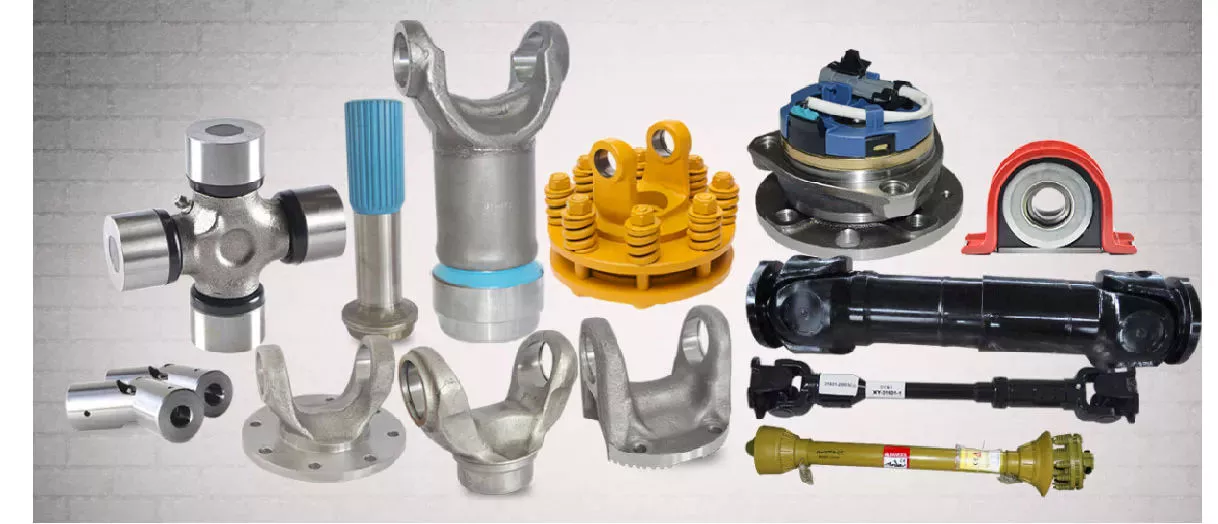
How do PTO drive shafts ensure efficient power transfer while maintaining safety?
PTO (Power Take-Off) drive shafts are designed to ensure efficient power transfer while prioritizing safety. These drive shafts incorporate various mechanisms and features to achieve both objectives. Here’s a detailed explanation of how PTO drive shafts ensure efficient power transfer while maintaining safety:
1. Robust Construction:
PTO drive shafts are typically constructed using high-quality materials such as steel or composite materials that offer strength and durability. The robust construction allows them to withstand the torque and power demands of the application, ensuring efficient power transfer without excessive flexing or deformation that could result in energy loss or premature failure.
2. Precise Alignment:
Efficient power transfer requires precise alignment between the PTO drive shaft, the primary power source (e.g., engine, transmission), and the implement or equipment being driven. Misalignment can lead to power loss, increased wear, and potential safety hazards. PTO drive shafts are designed with adjustable lengths or flexible couplings to accommodate variations in equipment size and ensure proper alignment, maximizing power transmission efficiency.
3. Connection Safety Features:
PTO drive shafts incorporate safety features to prevent accidents and minimize the risk of injury. One common safety feature is the use of shear pins or torque limiters. These components are designed to break or slip under excessive torque, protecting the drive shaft and connected equipment from damage. By sacrificing the shear pin, the PTO drive shaft disengages in case of overload, ensuring the safety of operators and preventing costly repairs.
4. Overload Protection:
Overload protection mechanisms are crucial for maintaining safety and preventing damage to the PTO drive shaft and associated equipment. Clutch systems or slip clutches can be employed to disengage the drive shaft when excessive torque or speed is encountered. These mechanisms allow the drive shaft to slip or disengage momentarily, preventing damage and reducing the risk of injury to operators or bystanders.
5. Shielding and Guarding:
PTO drive shafts are often equipped with shielding and guarding to prevent contact with moving parts. These protective covers ensure that operators and bystanders are shielded from rotating shafts, universal joints, and other potentially hazardous components. Proper shielding and guarding reduce the risk of entanglement, entrapment, or accidental contact, enhancing overall safety.
6. Einhaltung der Sicherheitsstandards:
PTO drive shafts are designed and manufactured to comply with relevant safety standards and regulations. These standards, such as ISO 500-1, specify requirements for power transmission components, including PTO drive shafts. Compliance with these standards ensures that the drive shafts meet necessary safety criteria and undergo rigorous testing to ensure their reliability and performance.
7. Regular Maintenance and Inspection:
Maintaining the safety and efficiency of PTO drive shafts requires regular maintenance and inspection. Operators should follow recommended maintenance schedules, including lubrication, inspection of components, and replacement of worn or damaged parts. Regular inspections help identify potential safety issues, such as worn bearings, damaged shielding, or compromised safety features, allowing for timely repairs or replacements.
8. Operator Training and Awareness:
Efficient power transfer and safety also depend on operator training and awareness. Operators should receive proper training on the safe operation and maintenance of PTO drive shafts. This includes understanding safety procedures, recognizing potential hazards, and being aware of the risks associated with improper use or maintenance. Promoting a culture of safety and providing ongoing training helps ensure that PTO drive shafts are used correctly and that potential risks are minimized.
By incorporating robust construction, precise alignment, connection safety features, overload protection, shielding and guarding, compliance with safety standards, regular maintenance and inspection, and operator training and awareness, PTO drive shafts can achieve efficient power transfer while maintaining a high level of safety. These measures help prevent accidents, protect equipment and operators, and ensure reliable and effective power transmission in various applications.
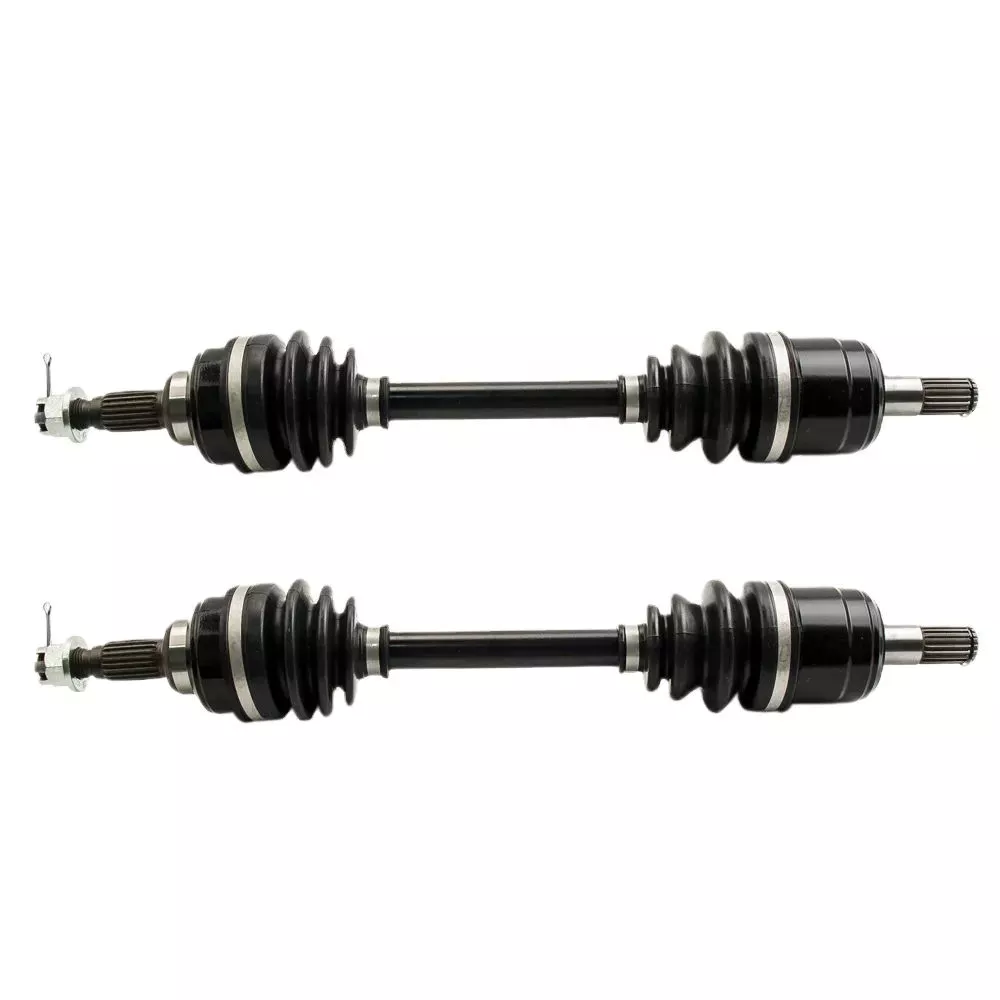
How do PTO drive shafts contribute to the efficiency of agricultural tasks like plowing?
PTO (Power Take-Off) drive shafts play a crucial role in enhancing the efficiency of agricultural tasks, including plowing. They provide a reliable and efficient power transmission mechanism between a tractor or power source and various implements, such as plows. Here’s how PTO drive shafts contribute to the efficiency of agricultural tasks like plowing:
1. Energieübertragung:
PTO drive shafts enable the transfer of power from the tractor’s engine to the plow or other implements used for plowing. They transmit rotational power at a consistent speed from the power source to the implement, allowing it to perform the intended task efficiently. This direct power transfer eliminates the need for separate engines or motors on each implement, saving both time and resources.
2. Vielseitigkeit:
PTO drive shafts are designed to be versatile and compatible with a wide range of agricultural implements. They come in standardized sizes and configurations, allowing different implements to be easily connected and disconnected. This versatility enables farmers to switch between various tasks, including plowing, without requiring significant equipment changes or modifications.
3. Time Efficiency:
By directly transmitting power from the tractor to the plow, PTO drive shafts help save time during agricultural tasks like plowing. They eliminate the need for manual or animal-driven labor, allowing for faster and more efficient plowing operations. This time efficiency increases overall productivity and enables farmers to cover larger areas in less time.
4. Consistent Power Output:
PTO drive shafts provide a consistent power output to the implement, ensuring uniform performance during plowing. They maintain a steady rotational speed, minimizing variations in power delivery and preventing uneven plowing or crop damage. This consistent power output helps achieve reliable and precise results, leading to improved efficiency in the plowing process.
5. Adjustable Speed and Depth:
Many PTO drive shafts offer adjustable rotational speeds, allowing farmers to control the plowing speed according to the specific soil conditions and requirements. This adjustability enables farmers to optimize the plowing process, ensuring efficient soil turnover and seedbed preparation. Additionally, some plows incorporate mechanisms for adjusting the plowing depth, further enhancing flexibility and efficiency.
6. Reduzierte Ermüdung des Bedieners:
The use of PTO drive shafts in plowing reduces the physical strain on operators. Instead of manually exerting force to plow the field, operators can rely on the power transmitted through the drive shaft. This reduces fatigue, allowing operators to work for longer durations without experiencing excessive exhaustion. Reduced operator fatigue contributes to increased productivity and overall efficiency in agricultural tasks.
7. Integration with Tractor Controls:
Modern PTO drive shafts often integrate with the tractor’s control system. This integration enables convenient and precise control of the PTO engagement and disengagement, rotational speed, and other parameters. Such integration enhances the ease of operation, minimizes errors, and improves overall efficiency during plowing and other agricultural tasks.
8. Maintenance and Serviceability:
PTO drive shafts are typically designed for ease of maintenance and serviceability. They often feature accessible lubrication points, inspection ports, and replaceable components, making it easier to keep them in good working condition. Regular maintenance ensures optimal performance, reduces the risk of unexpected breakdowns, and maximizes the efficiency of plowing operations.
In summary, PTO drive shafts significantly contribute to the efficiency of agricultural tasks like plowing. They enable direct and consistent power transfer, offer versatility in implement compatibility, save time, provide adjustable speed and depth control, reduce operator fatigue, integrate with tractor controls, and facilitate maintenance. By leveraging the capabilities of PTO drive shafts, farmers can enhance productivity, streamline operations, and achieve efficient plowing results.

Gibt es je nach Gerätetyp unterschiedliche Konfigurationen der Zapfwellenantriebe?
Ja, es gibt verschiedene Ausführungen von Zapfwellen (PTO – Power Take-Off), je nach Gerätetyp. Zapfwellen sind so konstruiert, dass sie den spezifischen Anforderungen verschiedener Gerätetypen gerecht werden und eine effiziente Kraftübertragung sowie Kompatibilität gewährleisten. Hier finden Sie eine detaillierte Erläuterung einiger gängiger Zapfwellenausführungen, basierend auf dem Gerätetyp:
1. Traktor-Zapfwellenantriebe:
Traktoren gehören zu den wichtigsten Fahrzeugen, die Zapfwellen nutzen. Diese Zapfwellen sind typischerweise an einem Ende mit einer Keilwellenverbindung zur Verbindung mit der Zapfwellenabtriebswelle des Traktors und am anderen Ende mit einer entsprechenden Keilwellenverbindung zum Anschluss von Anbaugeräten oder Maschinen ausgestattet. Die Länge der Zapfwelle lässt sich oft an unterschiedliche Gerätegrößen und Betriebsbedingungen anpassen. Traktorzapfwellen werden häufig in der Landwirtschaft, im Landschaftsbau und in anderen Bereichen eingesetzt, in denen Traktoren die primäre Antriebsquelle darstellen.
2. Zapfwellenantriebe implementieren:
Zapfwellen für Anbaugeräte sind speziell für verschiedene Arten von Anbaugeräten und Maschinen konstruiert. Diese Antriebswellen verfügen häufig an einem Ende über eine Keilwellenverbindung zur Befestigung an der Antriebswelle des Anbaugeräts, während das andere Ende je nach Bauart des Anbaugeräts eine andere Anschlussart aufweisen kann. Die genaue Konfiguration von Zapfwellen für Anbaugeräte kann je nach Gerätetyp, wie z. B. Mähwerken, Ballenpressen, Bodenfräsen, Sämaschinen, Spritzen und Erntemaschinen, stark variieren. Zapfwellen für Anbaugeräte werden häufig in der Landwirtschaft, im Baugewerbe und in anderen Branchen eingesetzt, in denen Anbaugeräte von einer primären Antriebsquelle angetrieben werden.
3. LKW-Nebenabtriebswellen:
Lkw, insbesondere schwere Lkw, nutzen häufig Nebenabtriebswellen (PTO-Antriebswellen) zum Antrieb verschiedener Zusatzgeräte und -systeme. Lkw-Nebenabtriebswellen sind typischerweise so konstruiert, dass sie die Kraft vom Lkw-Motor oder -Getriebe auf Hydrauliksysteme, Winden, Kräne oder andere am Lkw montierte Geräte übertragen. Diese Antriebswellen können je nach Lkw-Modell und Einsatzzweck unterschiedliche Ausführungen aufweisen. Lkw-Nebenabtriebswellen sind im Vergleich zu Antriebswellen kleinerer Fahrzeuge für höhere Drehmoment- und Leistungsanforderungen ausgelegt.
4. Industrielle Zapfwellenantriebe:
Industrielle Anwendungen benötigen häufig Nebenabtriebswellen (PTO-Antriebswellen) zum Antrieb von Maschinen und Anlagen in Branchen wie Bergbau, Fertigung, Materialtransport und -verarbeitung. Industrielle Nebenabtriebswellen sind für hohe Belastungen ausgelegt und können je nach Maschinenanforderungen unterschiedlich konfiguriert sein. Sie verfügen unter anderem über verstärkte Konstruktionen, Wellen mit größerem Durchmesser und spezielle Kupplungsmechanismen, um hohen Drehmoment-, Drehzahl- und Leistungsanforderungen gerecht zu werden.
5. Spezielle Zapfwellenantriebe:
Neben den oben genannten gängigen Konfigurationen gibt es auch spezielle Zapfwellen für spezifische Anwendungen. Dazu gehören Antriebswellen für Spezialmaschinen in Branchen wie Forstwirtschaft, Öl und Gas, Schifffahrt und Bauwesen. Diese Spezialantriebswellen weisen oft einzigartige Konfigurationen und Merkmale auf, die auf die spezifischen Anforderungen und Betriebsbedingungen der jeweiligen Maschinen abgestimmt sind.
Generell können Zapfwellenkonfigurationen je nach Gerätetyp und spezifischer Anwendung variieren. Zu den Konstruktionsaspekten gehören Faktoren wie die Anschlussart, Längenverstellmechanismen, Drehmoment- und Leistungsbelastbarkeit sowie alle vom Gerät geforderten Spezialmerkmale. Durch den Einsatz unterschiedlicher Zapfwellenkonfigurationen können verschiedene Gerätetypen die Kraft effizient von einer primären Energiequelle auf Anbaugeräte, Maschinen oder Hilfssysteme übertragen.


editor by CX 2023-11-10























