
Produktbeschreibung
PTO gearbox equivalent CHINAMFG ML52 male shaft
The Gearboxes are designed for connecting gear pumps to farm tractor power take offs (PTO).Output speed of power take offs is 540rpm which can be compared with the proper running speeds of hydraulic pumps.Different input running speeds can also be suitable,provided that the PTO gearbox output speed does not exceed 3000 rpm.
Gears
Made in Steel CHINAMFG 18 PCR M03.Stub teeth guarantee very high resistance and run very quietly.
Shafts
Made in steel CHINAMFG 16 CRN4.They are coupled with splined gears and are designed to stand the torque values stated in the catalogue.
Schmierung
SAE 90 gear oil must be put in the pto gearbox prior to use, change the oil after the first 60-80 hours and then every 12 months or 1500 hours which ever falls first.
Wartung
Please check the oil level via the special oil window every 50 hours.Working temperatures should not exceed 120 degrees celcius under continuos duty cycle.
Packaging & Shipping
Plastic bag packing for 1 piece / two pieces in 1 exporting carton / 100 cartons put on a pallet
Häufig gestellte Fragen
1.Q:Is your company a trading company or a manufacturer?
A:Our company is a trading company also a manufacturer, we have our own factory to produce gearbox, pump support..Etc
Also we distribute gear pumps, tractor machinery,dump truck pump from selected premium suppliers to meet customers’ variable demand.
2.Q:What about the quality control and warranty ?
A:”Quality first, Customers foremost”.Every piece of products is cheeked and tested strictly 1 by 1 before packing and shipping.
Our products have 1 year warranty, technical support is endless from us.
3.Q:Can you provide samples for checking and testing?
A:Yes,we provide free samples for checking the build quality and real performance of our products,the freight need to be coverd by customer.
4.Q:How can I get to your company?
A:Our company address is No.888 Huaxu Road,Xihu (West Lake) Dis. district,ZheJiang ,China
It is about 30 minutes by car from ZheJiang Xihu (West Lake) Dis.ao airport or ZheJiang Xihu (West Lake) Dis.ao Railway station.
| Typ: | Forest Machine |
|---|---|
| Verwendung: | Agricultural Products Processing, Farmland Infrastructure |
| Material: | Aluminum |
| Stromquelle: | Diesel |
| Gewicht: | 8.3kg |
| Transport Package: | Carton+Pallet |
| Proben: |
US$ 70/Piece
1 Stück (Mindestbestellmenge) | |
|---|
| Anpassung: |
Verfügbar
| Kundenspezifische Anfrage |
|---|
Are there variations in PTO shaft designs for different types of machinery?
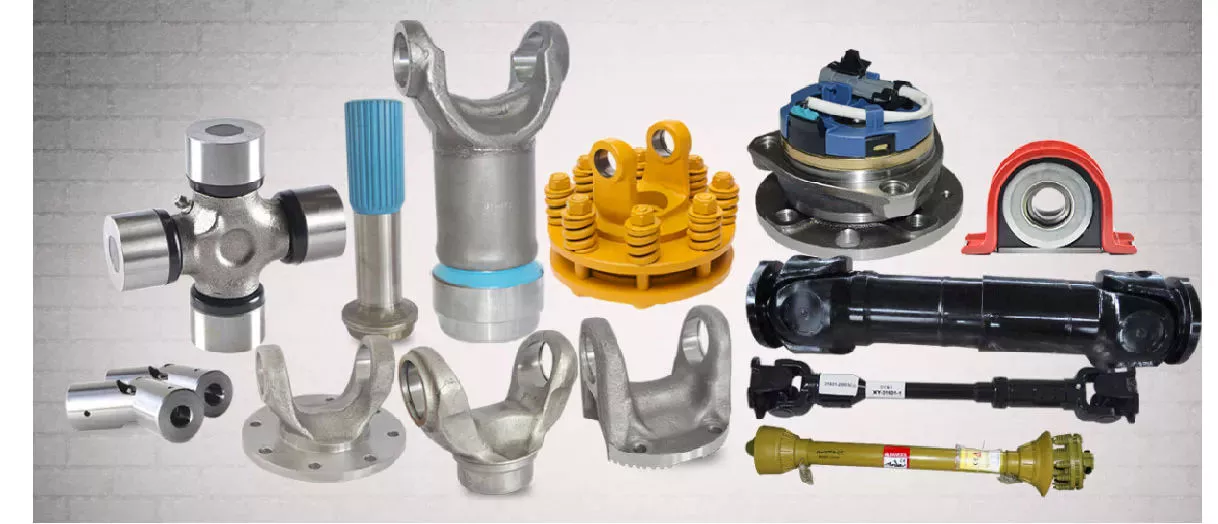
Yes, there are variations in PTO (Power Take-Off) shaft designs to accommodate the specific requirements of different types of machinery. PTO shafts are highly versatile and adaptable components used to transfer power from a power source, such as a tractor or engine, to driven machinery or equipment. The design variations in PTO shafts are necessary to ensure compatibility, efficiency, and safety in various applications. Here’s a detailed explanation of the different PTO shaft designs for different types of machinery:
1. Standard PTO Shafts: Standard PTO shafts are the most common design and are widely used in a variety of applications. They typically consist of a solid steel shaft with a universal joint at each end. These universal joints allow for angular misalignment between the power source and the driven machinery. Standard PTO shafts are suitable for applications where the distance between the power source and the driven machinery remains relatively fixed. They are commonly used in agricultural implements, such as mowers, balers, tillers, and seeders, as well as in industrial applications.
2. Telescopic PTO Shafts: Telescopic PTO shafts feature a telescoping design that allows for length adjustment. These shafts consist of two or more concentric shafts that can slide within each other. Telescopic PTO shafts are beneficial in applications where the distance between the power source and the driven machinery varies. By adjusting the length of the shaft, operators can ensure proper power transmission without the risk of the shaft dragging on the ground or being too short to reach the equipment. Telescopic PTO shafts are commonly used in front-mounted implements, snow blowers, self-loading wagons, and other applications where the distance between the power source and the implement changes.
3. CV (Constant Velocity) PTO Shafts: CV PTO shafts incorporate Constant Velocity joints to accommodate misalignment and angular variations. These joints maintain a constant speed and torque transfer even when the driven machinery is at an angle relative to the power source. CV PTO shafts are beneficial in applications where the driven machinery requires flexibility and a wide range of movement. They are commonly used in articulated loaders, telescopic handlers, self-propelled sprayers, and other equipment that requires continuous power transmission while operating at various angles.
4. Gearbox Driven PTO Shafts: Some machinery requires specific speed or torque ratios between the power source and the driven equipment. In such cases, PTO shafts may incorporate gearbox systems. Gearbox driven PTO shafts allow for speed reduction or increase and can change the rotational direction if necessary. The gear ratios in the gearbox can be adjusted to match the speed and torque requirements of the driven machinery. These PTO shafts are commonly used in applications where the power source operates at a different speed or torque level than the equipment it drives, such as in certain industrial manufacturing processes and specialized machinery.
5. High-Torque PTO Shafts: Some heavy-duty machinery requires high torque levels for power transmission. High-torque PTO shafts are designed to handle these demanding applications. They are constructed with reinforced components, including larger diameter shafts and heavier-duty universal joints, to withstand the increased torque requirements. High-torque PTO shafts are commonly used in equipment such as wood chippers, crushers, and heavy-duty agricultural implements that require substantial power and torque for their operation.
6. Safety PTO Shafts: Safety is a crucial consideration when using PTO shafts. Safety PTO shafts incorporate mechanisms to reduce the risk of accidents and injuries. One common safety feature is the use of protective guards that cover the rotating shaft to prevent accidental contact. These guards are typically made of metal or plastic and are designed to shield the rotating components while allowing the necessary movement for power transmission. Safety PTO shafts are used in various applications where the risk of entanglement or accidental contact with the rotating shaft is high, such as in grass mowers, rotary cutters, and other equipment used in landscaping and agriculture.
These are some of the key variations in PTO shaft designs for different types of machinery. The specific design used depends on factors such as the application requirements, power source characteristics, torque levels, movement flexibility, and safety considerations. PTO shaft manufacturers offer a range of designs to ensure compatibility and efficient power transmission in diverse industries and applications.

Wie verbessern Zapfwellen die Leistung von Traktoren und Landmaschinen?
Zapfwellen spielen eine entscheidende Rolle für die Leistungsfähigkeit von Traktoren und Landmaschinen. Durch die Bereitstellung eines zuverlässigen Kraftübertragungsmechanismus ermöglichen Zapfwellen einen effizienten, effektiven und vielseitigen Betrieb dieser Maschinen. Im Folgenden finden Sie eine detaillierte Erklärung, wie Zapfwellen die Leistung von Traktoren und Landmaschinen verbessern:
1. Energieübertragung: Zapfwellen ermöglichen die Kraftübertragung vom Traktormotor auf verschiedene landwirtschaftliche Geräte und Maschinen. Die vom Motor erzeugte Rotationsenergie wird über die Zapfwelle übertragen und treibt die angeschlossenen Geräte an. Diese direkte Kraftübertragung macht separate Motoren an jedem Gerät überflüssig und reduziert so Komplexität, Gewicht und Wartungsaufwand. Zapfwellen gewährleisten eine gleichmäßige und zuverlässige Stromversorgung und ermöglichen es landwirtschaftlichen Maschinen, ihre Aufgaben mit optimaler Effizienz und Effektivität zu erledigen.
2. Vielseitigkeit: Zapfwellen erhöhen die Vielseitigkeit von Traktoren und Landmaschinen. Dank standardisierter Abmessungen und Anschlussmethoden lassen sich unterschiedlichste Anbaugeräte problemlos an denselben Traktor anbauen und mit diesem betreiben. Diese Vielseitigkeit ermöglicht es Landwirten, schnell zwischen verschiedenen Arbeitsgängen wie Mähen, Pflügen, Säen und Ernten zu wechseln, ohne mehrere Spezialmaschinen zu benötigen. Die Möglichkeit, eine einzige Antriebseinheit für verschiedene Arbeiten zu nutzen, senkt Kosten, spart Lagerplatz und verbessert die Gesamteffizienz.
3. Verbesserte Produktivität: Zapfwellen tragen zu einer höheren Produktivität in der Landwirtschaft bei. Durch die Nutzung der Traktorleistung können Landmaschinen im Vergleich zu manuellen oder alternativen Antriebsmethoden schneller und effizienter arbeiten. Zapfwellengetriebene Anbaugeräte wie Mähwerke, Ballenpressen und Erntemaschinen können größere Flächen bearbeiten und Aufgaben schneller erledigen, wodurch sich die für landwirtschaftliche Arbeiten benötigte Zeit reduziert. Diese gesteigerte Produktivität ermöglicht es Landwirten, in einem bestimmten Zeitraum mehr zu erreichen, was zu höheren Ernteerträgen und einer insgesamt verbesserten Betriebseffizienz führt.
4. Reduzierter Arbeitsaufwand: Zapfwellen tragen dazu bei, den Arbeitsaufwand in der Landwirtschaft zu reduzieren. Durch den Einsatz von mechanisierten, zapfwellengetriebenen Geräten können Landwirte die manuelle Arbeit und die damit verbundene körperliche Anstrengung minimieren. Aufgaben wie Pflügen, Bodenbearbeitung und Ernten lassen sich effizienter und mit weniger menschlicher Arbeitskraft erledigen. Diese Reduzierung des Arbeitsaufwands ermöglicht es Landwirten, Ressourcen effektiver einzusetzen, sich auf andere wichtige Aufgaben zu konzentrieren und potenziell die Lohnkosten zu senken.
5. Präzision und Genauigkeit: Zapfwellen tragen wesentlich zur Präzision und Genauigkeit in der Landwirtschaft bei. Die konstante Kraftübertragung vom Traktormotor gewährleistet einen gleichmäßigen Betrieb und optimale Leistung der angeschlossenen Maschinen. Diese Präzision ist entscheidend für Aufgaben wie die Saatgutablage, die Ausbringung von Dünger oder Pflanzenschutzmitteln sowie die Ernte. Zapfwellengetriebene Geräte ermöglichen eine konstante Drehzahl und halten die erforderlichen Betriebsparameter ein, was präzise und genaue Arbeitsabläufe in der Landwirtschaft ermöglicht. Diese Präzision führt zu einer verbesserten Erntequalität, weniger Abfall und einer optimierten Ressourcennutzung.
6. Anpassungsfähigkeit an verschiedene Aufgaben: Zapfwellen erhöhen die Anpassungsfähigkeit von Traktoren und Landmaschinen für verschiedene Aufgaben. Durch den Anschluss unterschiedlicher Anbaugeräte wie Mähwerke, Sämaschinen, Spritzen oder Ballenpressen über Zapfwellen können Landwirte ihre Traktoren schnell in Spezialmaschinen für spezifische Arbeitsgänge umwandeln. Diese Anpassungsfähigkeit ermöglicht den effizienten Einsatz der Geräte in verschiedenen Phasen der Pflanzenproduktion und erlaubt es Landwirten, kostengünstig auf sich ändernde Bedürfnisse und Bedingungen zu reagieren.
7. Erhöhte Sicherheit: Zapfwellen tragen zu mehr Sicherheit in der Landwirtschaft bei. Viele Zapfwellen sind mit Sicherheitsvorrichtungen wie Schutzschilden oder Abdeckungen ausgestattet, um die Bediener vor potenziellen Gefahren durch rotierende Bauteile zu schützen. Diese Sicherheitsmaßnahmen helfen, Unfälle durch Verfangen zu vermeiden und das Verletzungsrisiko zu verringern. Durch den Einsatz von zapfwellengetriebenen Maschinen können Landwirte zudem einen sicheren Abstand zu bestimmten Gefahrenbereichen wie Mähen oder Häckseln einhalten und so die allgemeine Sicherheit auf dem Hof weiter verbessern.
8. Integration mit Technologie: Zapfwellen lassen sich in moderne Traktoren und Landmaschinen mit fortschrittlichen Technologien und Automatisierungssystemen integrieren. Diese Integration ermöglicht eine präzise Steuerung, Datenüberwachung und Optimierung der Maschinenleistung. So können beispielsweise Präzisionslenksysteme mit zapfwellengetriebenen Anbaugeräten synchronisiert werden, um eine genaue Saatgutablage oder Pflanzenschutzmittelapplikation zu gewährleisten. Darüber hinaus liefern Datenerfassung und -analyse Erkenntnisse über Kraftstoffeffizienz, Wartungsbedarf und die Gesamtleistung der Maschinen, was zu einem optimierten Betrieb und höherer Produktivität führt.
Zusammenfassend lässt sich sagen, dass Zapfwellen die Leistung von Traktoren und Landmaschinen verbessern, indem sie eine effiziente Kraftübertragung ermöglichen, die Vielseitigkeit erhöhen, die Produktivität steigern, den Arbeitsaufwand reduzieren, Präzision und Genauigkeit gewährleisten, die Anpassungsfähigkeit erleichtern, die Sicherheit erhöhen und die Integration mit fortschrittlichen Technologien ermöglichen. Diese Vorteile tragen zur allgemeinen Betriebseffizienz, Kosteneffektivität und der Fähigkeit der Landwirte bei, ihre landwirtschaftlichen Betriebe effektiv zu führen.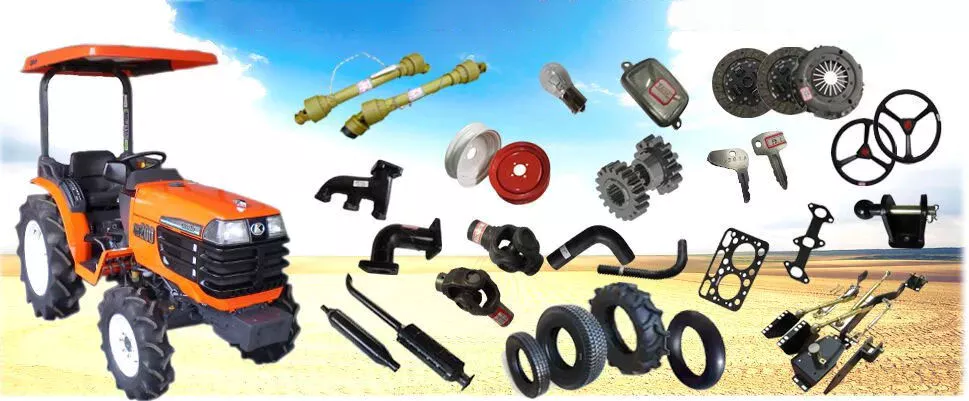
How do PTO shafts handle variations in speed and torque requirements?
PTO shafts (Power Take-Off shafts) are designed to handle variations in speed and torque requirements between the power source (such as a tractor or engine) and the driven machinery or equipment. They incorporate various mechanisms and components to ensure efficient power transmission while accommodating the different speed and torque demands. Here’s a detailed explanation of how PTO shafts handle variations in speed and torque requirements:
1. Gearbox Systems: PTO shafts often incorporate gearbox systems to match the speed and torque requirements between the power source and the driven machinery. Gearboxes allow for speed reduction or increase and can also change the rotational direction if necessary. By using different gear ratios, PTO shafts can adapt the rotational speed and torque output to suit the specific requirements of the driven equipment. Gearbox systems enable PTO shafts to provide the necessary power and speed compatibility between the power source and the machinery they drive.
2. Shear Bolt Mechanisms: Some PTO shafts, particularly in applications where sudden overloads or shock loads are expected, use shear bolt mechanisms. These mechanisms are designed to protect the driveline components from damage by disconnecting the PTO shaft in case of excessive torque or sudden resistance. Shear bolts are designed to break at a specific torque threshold, ensuring that the PTO shaft separates before the driveline components suffer damage. By incorporating shear bolt mechanisms, PTO shafts can handle variations in torque requirements and provide a safety feature to protect the equipment.
3. Friction Clutches: PTO shafts may incorporate friction clutch systems to enable smooth engagement and disengagement of power transfer. Friction clutches use a disc and pressure plate mechanism to control the transmission of power. Operators can gradually engage or disengage the power transfer by adjusting the pressure on the friction disc. This feature allows for precise control over torque transmission, accommodating variations in torque requirements while minimizing shock loads on the driveline components. Friction clutches are commonly used in applications where smooth power engagement is essential, such as in hydraulic pumps, generators, and industrial mixers.
4. Constant Velocity (CV) Joints: In cases where the driven machinery requires a significant range of movement or articulation, PTO shafts may incorporate Constant Velocity (CV) joints. CV joints allow the PTO shaft to accommodate misalignment and angular variations without affecting power transmission. These joints provide a smooth and constant power transfer even when the driven machinery is at an angle relative to the power source. CV joints are commonly used in applications such as articulated loaders, telescopic handlers, and self-propelled sprayers, where the machinery requires flexibility and a wide range of movement.
5. Telescopic Designs: Some PTO shafts feature telescopic designs that allow for length adjustment. These shafts consist of two or more concentric shafts that slide within each other, providing the ability to extend or retract the PTO shaft as needed. Telescopic designs accommodate variations in the distance between the power source and the driven machinery. By adjusting the length of the PTO shaft, operators can ensure proper power transmission without the risk of the shaft dragging on the ground or being too short to reach the equipment. Telescopic PTO shafts are commonly used in applications where the distance between the power source and the implement varies, such as in front-mounted implements, snow blowers, and self-loading wagons.
By incorporating these mechanisms and designs, PTO shafts can handle variations in speed and torque requirements effectively. They provide the necessary flexibility, safety, and control to ensure efficient power transmission between the power source and the driven machinery. PTO shafts play a critical role in adapting power to meet the specific needs of various equipment and applications.


editor by CX 2023-10-05























