
Produktbeschreibung
Produktparameter
| Garantie | Other |
| Herkunftsort | ZHangZhoug, China |
| Markenname | Huijue |
| Modellnummer | HJPJ-Z-M4 |
| Produktname | 304 Stainless Steel Anti-rust Welded Shaft |
| Size | Brauch |
| Anwendung | Industrial Equipment Mechanical machining shafts are commonly used for motors, water pumps, mechanical connections, etc |
| Verfahren | CNC machining,Auto lathing/turning,Milling,Grindin, Tapping Drilling,Bending,Casting,Laser cutting |
| Oberflächenbehandlung | Coating/Ni plating/Zn plating/QPQ/Carbonization/Quenching/Black Treatment/Steaming Treatment/Nitrocarburizing/Carbonitriding |
| Certificate | ISO9001:2008,SGS, ROHS |
| Delivery Time | 15-30days |
| MOQ | 1000 |
| Tolerance | ±0.01mm |
| Material | 40Cr/35C/GB45/70Cr/40CrMo |
| Farbe | Natural Color |
Detaillierte Fotos
Anwendung
Mechanical machining shafts are commonly used for motors, water pumps, mechanical connections, etc
Other products
Produktbeschreibung
We make various kinds of shaft as per customer’s drawing and samples. Our shaft is widely applied the different industrials.
Quality comes from being controlled rather than be done. On the basis of the escalating production equipment and optimized process, CHINAMFG spares no efforts and keeps improving for quality control. Quality assurance covered with system, technology and human resources are in full swing.
Shaft material range: carbon steel, alloy steel, stainless steel, aluminum alloy, copper alloy
|
Stainless steel |
C |
St |
Mn |
P |
S |
Ni |
Cr |
Mo |
Cu |
|
SUS303 |
≤0.15 |
≤1 |
≤2 |
≤0.2 |
≥0.15 |
8~10 |
17~19 |
≤0.6 |
\ |
|
SUS303CU |
≤0.08 |
≤1 |
≤2.5 |
≤0.15 |
≥0.1 |
6~10 |
17~19 |
≤0.6 |
2.5~4 |
|
SUS304 |
≤0.08 |
≤1 |
≤2 |
≤0.04 |
≤0.03 |
8~10.5 |
18~20 |
\ |
\ |
|
SUS420J2 |
0.26~0.40 |
≤1 |
≤1 |
≤0.04 |
≤0.03 |
<0.6 |
12~14 |
\ |
\ |
|
SUS420F |
0.26~0.40 |
>0.15 |
≤1.25 |
≤0.06 |
≥0.15 |
<0.6 |
12~14 |
\ |
\ |
Verpackung & Versand
DHL: 3-5 working days ;
UPS: 5-7 working days;
TNT: 5-7 working days;
FedEx: 7-9 working days;
EMS: 12-15 working days;
ChinaPost: Depends on ship to which country;
Sea: Depends on ship to which country
Unternehmensprofil
HangZhou Shunhui Trading Co., Ltd. is a company that integrates factory and trade, specializing in various types of mechanical shafts. The company is located in HangZhou, ZHangZhoug Province, the city of machinery. Since its establishment in 2018, it has grown into a technologically mature shaft machinery processing enterprise and has established a good reputation among local cooperative enterprises in HangZhou.
The company has more than 30 employees, including half of professional CNC technicians; The company’s main products include various hardware processing products such as motor shafts, worm shafts, water pump shafts, and connectors.
The company has always been committed to mastering various types of shafts and therefore has strict control over product quality; Our company’s products are mainly exported to countries such as the United States, Germany, and Brazil. We welcome mechanical enterprises from all over the world to send samples for customization. Your satisfaction is our company’s pursuit
Häufig gestellte Fragen
Q: Are you a factory or a trading company?
A: We are a company that integrates factories and trade, so our product prices are more advantageous
Q: How to place an order?
A: Inquire with us → Customize with drawings and samples → Notify us of usage scenarios → Receive our product design recommendations → Negotiate details → Confirm samples → CHINAMFG contracts/deposits → Mass production → Prepare goods → Balance/deliver → Further cooperation.
Q: How about the sample order?
A: We can provide you with samples. Please contact us for details. Once we charge you for the sample fee, please rest assured that it will be a refund when you place your formal order.
Q: Which transportation method is available?
A: It is sea express delivery, China express delivery. There are other transportation options available for express delivery. Please contact us if you need another shipping route.
Q: How long does it take for delivery [production] and shipment?
A: The delivery time depends on the quantity you order. Usually takes 15-45 working days.
Q: My package is missing some products, what can I do?
A: Please contact our support team and we will confirm the contents of your order with packaging. We will compensate for the shipment based on the actual situation. We apologize for any inconvenience caused.
Q: How to confirm payment?
A: We accept wire transfer and PayPal payment methods, and other payment methods are also acceptable. Please contact us before making payment through other payment methods. An additional 10-30% deposit is feasible, and the remaining balance should be paid before shipment.
/* 10. Mai 2571 16:49:51 */!function(){function d(e,r){var a,o={};try{e&&e.split(“,”).forEach(function(e,t){e&&(a=e.match(/(.*?):(.*)$/))&&1
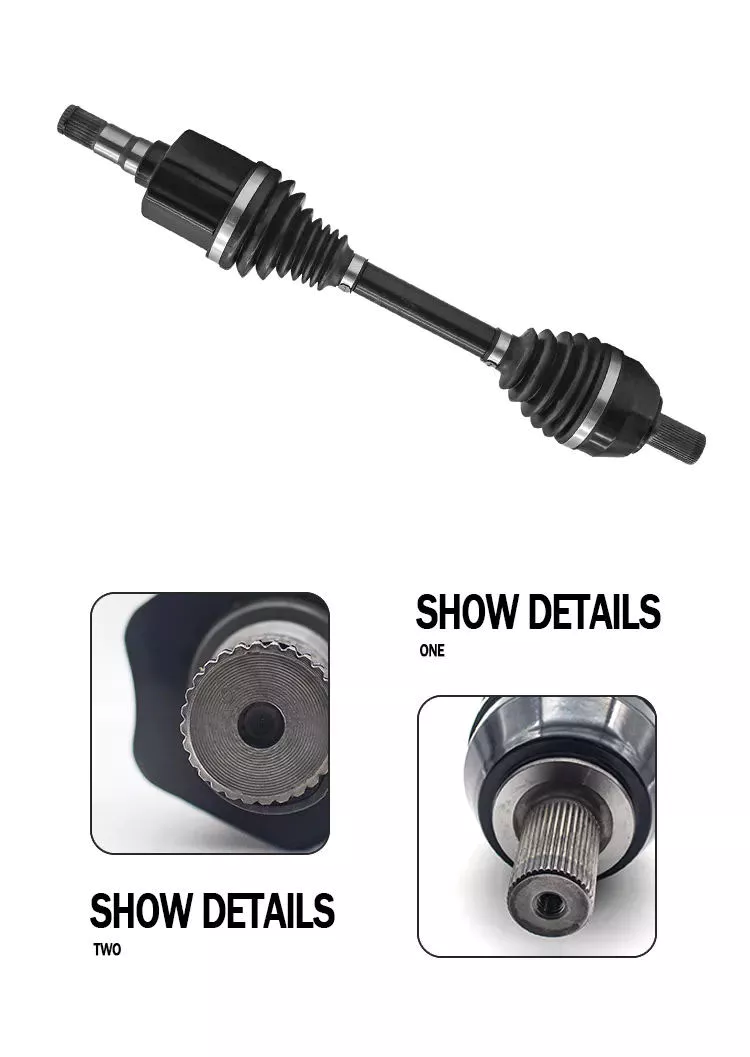
How do manufacturers ensure the compatibility of PTO shafts with different equipment?
Manufacturers employ various measures to ensure the compatibility of PTO (Power Take-Off) shafts with different equipment. Compatibility is crucial to ensure that PTO shafts can effectively transfer power from the power source to the driven machinery without compromising performance, safety, or ease of use. Here’s a detailed explanation of how manufacturers ensure compatibility:
1. Standardisierung: PTO shafts are designed and manufactured based on standardized specifications. These specifications outline the essential parameters such as shaft dimensions, spline sizes, torque ratings, and safety requirements. By adhering to standardized designs, manufacturers ensure that PTO shafts are compatible with a wide range of equipment that meets the same standards. Standardization allows for interchangeability, meaning that PTO shafts from one manufacturer can be used with equipment from another manufacturer as long as they conform to the same specifications.
2. Collaboration with Equipment Manufacturers: PTO shaft manufacturers often collaborate closely with equipment manufacturers to ensure compatibility. They work together to understand the specific requirements of the equipment and design PTO shafts that seamlessly integrate with the machinery. This collaboration may involve sharing technical specifications, conducting joint testing, and exchanging feedback. By working in partnership, manufacturers can address any compatibility issues early in the design and development process, resulting in PTO shafts that are tailored to the equipment’s needs.
3. Anpassungsoptionen: PTO shaft manufacturers offer customization options to accommodate different equipment configurations. They provide flexibility in terms of shaft length, spline sizes, yoke designs, and coupling mechanisms. Equipment manufacturers can specify the required parameters, and the PTO shafts can be customized accordingly. This ensures that the PTO shafts precisely match the equipment’s power input/output requirements and connection methods, guaranteeing compatibility and efficient power transfer.
4. Testing and Validation: Manufacturers conduct rigorous testing and validation processes to ensure the compatibility and performance of PTO shafts. They subject the shafts to various tests, including torque testing, rotational speed testing, and durability testing. These tests verify that the PTO shafts can handle the expected power loads and operating conditions without failure. By validating the performance of the PTO shafts, manufacturers can ensure that they are compatible with a wide range of equipment and can reliably transfer power under different operating scenarios.
5. Compliance with Industry Standards: PTO shaft manufacturers adhere to industry standards and regulations to ensure compatibility. Organizations such as the American Society of Agricultural and Biological Engineers (ASABE) establish safety and performance standards for PTO shafts. Manufacturers design and produce their shafts in accordance with these standards, ensuring that their products meet the necessary requirements for compatibility and safety. Compliance with industry standards provides assurance to equipment manufacturers and end-users that the PTO shafts are compatible and suitable for use with different equipment.
6. Documentation and Guidelines: Manufacturers provide comprehensive documentation and guidelines to assist equipment manufacturers and end-users in ensuring compatibility. This documentation includes technical specifications, installation instructions, maintenance guidelines, and safety recommendations. The documentation helps equipment manufacturers select the appropriate PTO shaft for their equipment and provides guidance on proper installation and use. By following the manufacturer’s guidelines, equipment manufacturers can ensure compatibility and optimize the performance of the PTO shafts.
7. Laufende Forschung und Entwicklung: PTO shaft manufacturers continuously invest in research and development to enhance compatibility with different equipment. They stay updated with industry trends, technological advancements, and evolving equipment requirements. This ongoing research and development enable manufacturers to improve the design, materials, and features of PTO shafts, ensuring compatibility with the latest equipment innovations and addressing any compatibility challenges that may arise.
By employing standardization, collaborating with equipment manufacturers, offering customization options, conducting thorough testing, complying with industry standards, providing documentation and guidelines, and investing in research and development, manufacturers ensure the compatibility of PTO shafts with different equipment. This compatibility allows for seamless integration, efficient power transfer, and optimal performance across a wide range of machinery and equipment in various industries.

Wie verbessern Zapfwellen die Leistung von Traktoren und Landmaschinen?
Zapfwellen spielen eine entscheidende Rolle für die Leistungsfähigkeit von Traktoren und Landmaschinen. Durch die Bereitstellung eines zuverlässigen Kraftübertragungsmechanismus ermöglichen Zapfwellen einen effizienten, effektiven und vielseitigen Betrieb dieser Maschinen. Im Folgenden finden Sie eine detaillierte Erklärung, wie Zapfwellen die Leistung von Traktoren und Landmaschinen verbessern:
1. Energieübertragung: Zapfwellen ermöglichen die Kraftübertragung vom Traktormotor auf verschiedene landwirtschaftliche Geräte und Maschinen. Die vom Motor erzeugte Rotationsenergie wird über die Zapfwelle übertragen und treibt die angeschlossenen Geräte an. Diese direkte Kraftübertragung macht separate Motoren an jedem Gerät überflüssig und reduziert so Komplexität, Gewicht und Wartungsaufwand. Zapfwellen gewährleisten eine gleichmäßige und zuverlässige Stromversorgung und ermöglichen es landwirtschaftlichen Maschinen, ihre Aufgaben mit optimaler Effizienz und Effektivität zu erledigen.
2. Vielseitigkeit: Zapfwellen erhöhen die Vielseitigkeit von Traktoren und Landmaschinen. Dank standardisierter Abmessungen und Anschlussmethoden lassen sich unterschiedlichste Anbaugeräte problemlos an denselben Traktor anbauen und mit diesem betreiben. Diese Vielseitigkeit ermöglicht es Landwirten, schnell zwischen verschiedenen Arbeitsgängen wie Mähen, Pflügen, Säen und Ernten zu wechseln, ohne mehrere Spezialmaschinen zu benötigen. Die Möglichkeit, eine einzige Antriebseinheit für verschiedene Arbeiten zu nutzen, senkt Kosten, spart Lagerplatz und verbessert die Gesamteffizienz.
3. Verbesserte Produktivität: Zapfwellen tragen zu einer höheren Produktivität in der Landwirtschaft bei. Durch die Nutzung der Traktorleistung können Landmaschinen im Vergleich zu manuellen oder alternativen Antriebsmethoden schneller und effizienter arbeiten. Zapfwellengetriebene Anbaugeräte wie Mähwerke, Ballenpressen und Erntemaschinen können größere Flächen bearbeiten und Aufgaben schneller erledigen, wodurch sich die für landwirtschaftliche Arbeiten benötigte Zeit reduziert. Diese gesteigerte Produktivität ermöglicht es Landwirten, in einem bestimmten Zeitraum mehr zu erreichen, was zu höheren Ernteerträgen und einer insgesamt verbesserten Betriebseffizienz führt.
4. Reduzierter Arbeitsaufwand: Zapfwellen tragen dazu bei, den Arbeitsaufwand in der Landwirtschaft zu reduzieren. Durch den Einsatz von mechanisierten, zapfwellengetriebenen Geräten können Landwirte die manuelle Arbeit und die damit verbundene körperliche Anstrengung minimieren. Aufgaben wie Pflügen, Bodenbearbeitung und Ernten lassen sich effizienter und mit weniger menschlicher Arbeitskraft erledigen. Diese Reduzierung des Arbeitsaufwands ermöglicht es Landwirten, Ressourcen effektiver einzusetzen, sich auf andere wichtige Aufgaben zu konzentrieren und potenziell die Lohnkosten zu senken.
5. Präzision und Genauigkeit: Zapfwellen tragen wesentlich zur Präzision und Genauigkeit in der Landwirtschaft bei. Die konstante Kraftübertragung vom Traktormotor gewährleistet einen gleichmäßigen Betrieb und optimale Leistung der angeschlossenen Maschinen. Diese Präzision ist entscheidend für Aufgaben wie die Saatgutablage, die Ausbringung von Dünger oder Pflanzenschutzmitteln sowie die Ernte. Zapfwellengetriebene Geräte ermöglichen eine konstante Drehzahl und halten die erforderlichen Betriebsparameter ein, was präzise und genaue Arbeitsabläufe in der Landwirtschaft ermöglicht. Diese Präzision führt zu einer verbesserten Erntequalität, weniger Abfall und einer optimierten Ressourcennutzung.
6. Anpassungsfähigkeit an verschiedene Aufgaben: Zapfwellen erhöhen die Anpassungsfähigkeit von Traktoren und Landmaschinen für verschiedene Aufgaben. Durch den Anschluss unterschiedlicher Anbaugeräte wie Mähwerke, Sämaschinen, Spritzen oder Ballenpressen über Zapfwellen können Landwirte ihre Traktoren schnell in Spezialmaschinen für spezifische Arbeitsgänge umwandeln. Diese Anpassungsfähigkeit ermöglicht den effizienten Einsatz der Geräte in verschiedenen Phasen der Pflanzenproduktion und erlaubt es Landwirten, kostengünstig auf sich ändernde Bedürfnisse und Bedingungen zu reagieren.
7. Erhöhte Sicherheit: Zapfwellen tragen zu mehr Sicherheit in der Landwirtschaft bei. Viele Zapfwellen sind mit Sicherheitsvorrichtungen wie Schutzschilden oder Abdeckungen ausgestattet, um die Bediener vor potenziellen Gefahren durch rotierende Bauteile zu schützen. Diese Sicherheitsmaßnahmen helfen, Unfälle durch Verfangen zu vermeiden und das Verletzungsrisiko zu verringern. Durch den Einsatz von zapfwellengetriebenen Maschinen können Landwirte zudem einen sicheren Abstand zu bestimmten Gefahrenbereichen wie Mähen oder Häckseln einhalten und so die allgemeine Sicherheit auf dem Hof weiter verbessern.
8. Integration mit Technologie: Zapfwellen lassen sich in moderne Traktoren und Landmaschinen mit fortschrittlichen Technologien und Automatisierungssystemen integrieren. Diese Integration ermöglicht eine präzise Steuerung, Datenüberwachung und Optimierung der Maschinenleistung. So können beispielsweise Präzisionslenksysteme mit zapfwellengetriebenen Anbaugeräten synchronisiert werden, um eine genaue Saatgutablage oder Pflanzenschutzmittelapplikation zu gewährleisten. Darüber hinaus liefern Datenerfassung und -analyse Erkenntnisse über Kraftstoffeffizienz, Wartungsbedarf und die Gesamtleistung der Maschinen, was zu einem optimierten Betrieb und höherer Produktivität führt.
Zusammenfassend lässt sich sagen, dass Zapfwellen die Leistung von Traktoren und Landmaschinen verbessern, indem sie eine effiziente Kraftübertragung ermöglichen, die Vielseitigkeit erhöhen, die Produktivität steigern, den Arbeitsaufwand reduzieren, Präzision und Genauigkeit gewährleisten, die Anpassungsfähigkeit erleichtern, die Sicherheit erhöhen und die Integration mit fortschrittlichen Technologien ermöglichen. Diese Vorteile tragen zur allgemeinen Betriebseffizienz, Kosteneffektivität und der Fähigkeit der Landwirte bei, ihre landwirtschaftlichen Betriebe effektiv zu führen.
How do PTO shafts contribute to transferring power from tractors to implements?
PTO shafts (Power Take-Off shafts) play a critical role in transferring power from tractors to implements in agricultural and industrial settings. They provide a reliable and efficient means of power transmission, enabling tractors to drive various implements and perform a wide range of tasks. Here’s a detailed explanation of how PTO shafts contribute to transferring power from tractors to implements:
Stromquelle: Tractors are equipped with powerful engines designed to generate substantial amounts of mechanical power. This power is harnessed to drive the tractor’s wheels and operate hydraulic systems, as well as to provide power for the attachment of implements through the PTO shaft. The PTO shaft typically connects to the rear or side of the tractor, where the power take-off mechanism is located. The power take-off derives power directly from the tractor’s engine or transmission, allowing for efficient power transfer to the PTO shaft.
PTO Shaft Design: PTO shafts are designed as driveline components that transmit rotational power and torque from the tractor’s power take-off to the implement. They consist of a hollow metal tube with universal joints at each end. The universal joints accommodate angular misalignments and allow the PTO shaft to transmit power even when the tractor and implement are not perfectly aligned. The PTO shaft is also equipped with a safety shield or guard to prevent accidental contact with the rotating shaft, ensuring operator safety during operation.
PTO Engagement: To transfer power from the tractor to the implement, the PTO shaft needs to be engaged. Tractors are equipped with a PTO clutch mechanism that allows operators to engage or disengage the PTO shaft as needed. When the PTO clutch is engaged, power flows from the tractor’s engine through the power take-off mechanism and into the PTO shaft. This rotational power is then transmitted through the PTO shaft to the implement, driving its working components.
Rotational Power Transmission: The rotational power generated by the tractor’s engine is transferred to the PTO shaft through the power take-off mechanism. The PTO shaft, being directly connected to the power take-off, rotates at the same speed as the engine. This rotational power is then transmitted from the PTO shaft to the implement’s driveline or gearbox. The implement’s driveline, in turn, distributes the power to the implement’s working components, such as blades, augers, or pumps, enabling them to carry out their respective functions.
Matching Speed and Power: PTO shafts are designed to match the rotational speed and power requirements of various implements. Tractors often feature multiple speed settings for the PTO, allowing operators to select the appropriate speed for the specific implement being used. Different implements may require different rotational speeds to operate optimally, and the PTO shaft allows for easy adjustment to match those requirements. Additionally, the power generated by the tractor’s engine is transmitted through the PTO shaft, providing the necessary torque to drive the implement’s working components effectively.
Versatility and Efficiency: PTO shafts offer significant versatility and efficiency in agricultural and industrial operations. They allow tractors to power a wide range of implements, including mowers, balers, tillers, sprayers, and grain augers, among others. By connecting implements directly to the tractor’s power source, operators can quickly switch between tasks without the need for separate power generators or engines. This versatility and efficiency streamline workflow, reduce costs, and increase overall productivity in agricultural and industrial settings.
Safety Considerations: While PTO shafts are essential for power transmission, they can pose safety risks if mishandled. The rotating shaft and universal joints can cause severe injuries if operators come into contact with them while in operation. That’s why PTO shafts are equipped with safety shields or guards to prevent accidental contact. Operators should always ensure that the safety shields are in place and secure before engaging the PTO shaft. Proper training, adherence to safety guidelines, and regular maintenance of PTO shafts and associated safety features are crucial to ensuring safe operation.
In summary, PTO shafts are vital components that enable the transfer of power from tractors to implements in agricultural and industrial applications. They provide a reliable and efficient means of power transmission, allowing tractors to drive various implements and perform a wide range of tasks. By engaging the PTO clutch and transmitting rotational power through the PTO shaft, tractors power the working components of implements, providing versatility, efficiency, and productivity in agricultural and industrial operations.


editor by lmc 2024-11-19























