
Produktbeschreibung
Professional Manufacture universal joint pto shaft for tractor machine spare parts
1. Tubes or Pipes
We’ve already got Triangular profile tube and Lemon profile tube for all the series we provide.
And we have some star tube, splined tube and other profile tubes required by our customers (for a certain series). (Please notice that our catalog doesnt contain all the items we produce)
If you want tubes other than triangular or lemon, please provide drawings or pictures.
2.End yokes
We’ve got several types of quick release yokes and plain bore yoke. I will suggest the usual type for your reference.
You can also send drawings or pictures to us if you cannot find your item in our catalog.
3. Safety devices or clutches
I will attach the details of safety devices for your reference. We’ve already have Free wheel (RA), Ratchet torque limiter(SA), Shear bolt torque limiter(SB), 3types of friction torque limiter (FF,FFS,FCS) and overrunning couplers(adapters) (FAS).
4.For any other more special requirements with plastic guard, connection method, color of painting, package, etc., please feel free to let me know.
Merkmale:
1. We have been specialized in designing, manufacturing drive shaft, steering coupler shaft, universal joints, which have exported to the USA, Europe, Australia etc for years
2. Application to all kinds of general mechanical situation
3. Our products are of high intensity and rigidity.
4. Heat resistant & Acid resistant
5. OEM orders are welcomed
Our factory is a leading manufacturer of PTO shaft yoke and universal joint.
We manufacture high quality PTO yokes for various vehicles, construction machinery and equipment. All products are constructed with rotating lighter.
We are currently exporting our products throughout the world, especially to North America, South America, Europe, and Russia. If you are interested in any item, please do not hesitate to contact us. We are looking CHINAMFG to becoming your suppliers in the near future.
/* 22. Januar 2571 19:08:37 */!function(){function s(e,r){var a,o={};try{e&&e.split(“,“).forEach(function(e,t){e&&(a=e.match(/(.*?):(.*)$/))&&1
| Typ: | Fork |
|---|---|
| Verwendung: | Verarbeitung landwirtschaftlicher Produkte, Infrastruktur für landwirtschaftliche Flächen, Bodenbearbeitung, Erntemaschinen, Aussaat und Düngung, Getreidedreschen, Reinigung und Trocknung |
| Material: | Carbon Steel |
| Anpassung: |
Verfügbar
| Kundenspezifische Anfrage |
|---|
.shipping-cost-tm .tm-status-off{background: none;padding:0;color: #1470cc}
| Versandkosten:
Geschätzte Frachtkosten pro Einheit. |
über Versandkosten und voraussichtliche Lieferzeit. |
|---|
| Zahlungsmethode: |
|
|---|---|
|
Erste Zahlung Vollständige Zahlung |
| Währung: | US$ |
|---|
| Rückgabe & Erstattung: | Sie können bis zu 30 Tage nach Erhalt der Produkte eine Rückerstattung beantragen. |
|---|
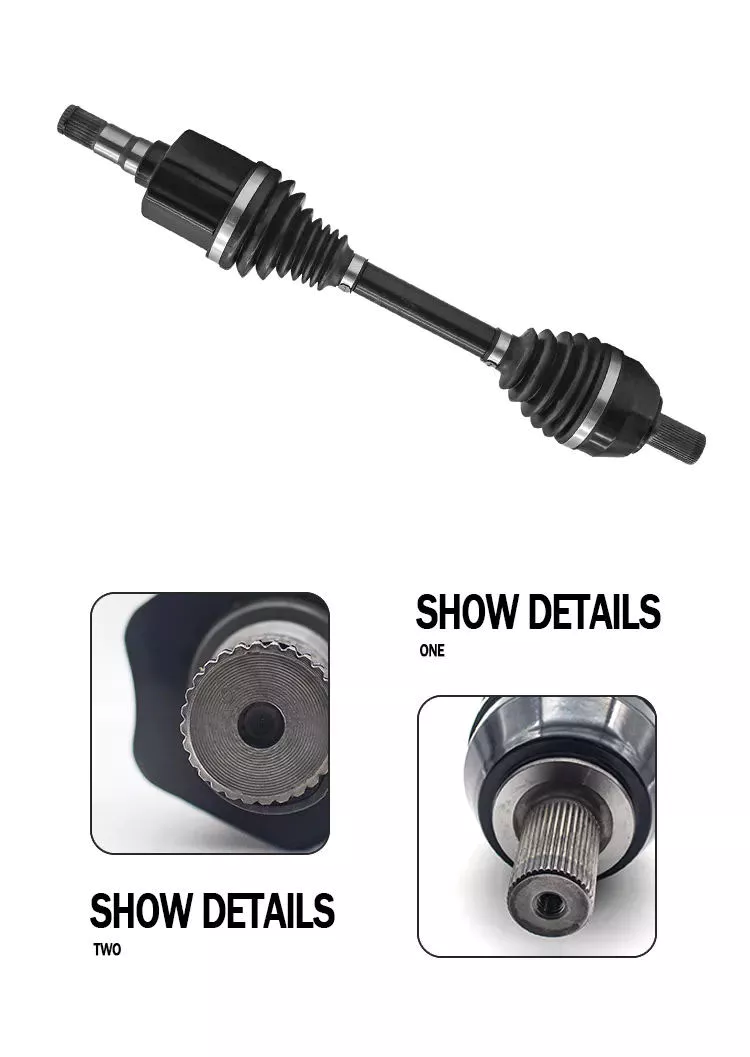
How do manufacturers ensure the compatibility of PTO shafts with different equipment?
Manufacturers employ various measures to ensure the compatibility of PTO (Power Take-Off) shafts with different equipment. Compatibility is crucial to ensure that PTO shafts can effectively transfer power from the power source to the driven machinery without compromising performance, safety, or ease of use. Here’s a detailed explanation of how manufacturers ensure compatibility:
1. Standardisierung: PTO shafts are designed and manufactured based on standardized specifications. These specifications outline the essential parameters such as shaft dimensions, spline sizes, torque ratings, and safety requirements. By adhering to standardized designs, manufacturers ensure that PTO shafts are compatible with a wide range of equipment that meets the same standards. Standardization allows for interchangeability, meaning that PTO shafts from one manufacturer can be used with equipment from another manufacturer as long as they conform to the same specifications.
2. Collaboration with Equipment Manufacturers: PTO shaft manufacturers often collaborate closely with equipment manufacturers to ensure compatibility. They work together to understand the specific requirements of the equipment and design PTO shafts that seamlessly integrate with the machinery. This collaboration may involve sharing technical specifications, conducting joint testing, and exchanging feedback. By working in partnership, manufacturers can address any compatibility issues early in the design and development process, resulting in PTO shafts that are tailored to the equipment’s needs.
3. Anpassungsoptionen: PTO shaft manufacturers offer customization options to accommodate different equipment configurations. They provide flexibility in terms of shaft length, spline sizes, yoke designs, and coupling mechanisms. Equipment manufacturers can specify the required parameters, and the PTO shafts can be customized accordingly. This ensures that the PTO shafts precisely match the equipment’s power input/output requirements and connection methods, guaranteeing compatibility and efficient power transfer.
4. Testing and Validation: Manufacturers conduct rigorous testing and validation processes to ensure the compatibility and performance of PTO shafts. They subject the shafts to various tests, including torque testing, rotational speed testing, and durability testing. These tests verify that the PTO shafts can handle the expected power loads and operating conditions without failure. By validating the performance of the PTO shafts, manufacturers can ensure that they are compatible with a wide range of equipment and can reliably transfer power under different operating scenarios.
5. Compliance with Industry Standards: PTO shaft manufacturers adhere to industry standards and regulations to ensure compatibility. Organizations such as the American Society of Agricultural and Biological Engineers (ASABE) establish safety and performance standards for PTO shafts. Manufacturers design and produce their shafts in accordance with these standards, ensuring that their products meet the necessary requirements for compatibility and safety. Compliance with industry standards provides assurance to equipment manufacturers and end-users that the PTO shafts are compatible and suitable for use with different equipment.
6. Documentation and Guidelines: Manufacturers provide comprehensive documentation and guidelines to assist equipment manufacturers and end-users in ensuring compatibility. This documentation includes technical specifications, installation instructions, maintenance guidelines, and safety recommendations. The documentation helps equipment manufacturers select the appropriate PTO shaft for their equipment and provides guidance on proper installation and use. By following the manufacturer’s guidelines, equipment manufacturers can ensure compatibility and optimize the performance of the PTO shafts.
7. Laufende Forschung und Entwicklung: PTO shaft manufacturers continuously invest in research and development to enhance compatibility with different equipment. They stay updated with industry trends, technological advancements, and evolving equipment requirements. This ongoing research and development enable manufacturers to improve the design, materials, and features of PTO shafts, ensuring compatibility with the latest equipment innovations and addressing any compatibility challenges that may arise.
By employing standardization, collaborating with equipment manufacturers, offering customization options, conducting thorough testing, complying with industry standards, providing documentation and guidelines, and investing in research and development, manufacturers ensure the compatibility of PTO shafts with different equipment. This compatibility allows for seamless integration, efficient power transfer, and optimal performance across a wide range of machinery and equipment in various industries.
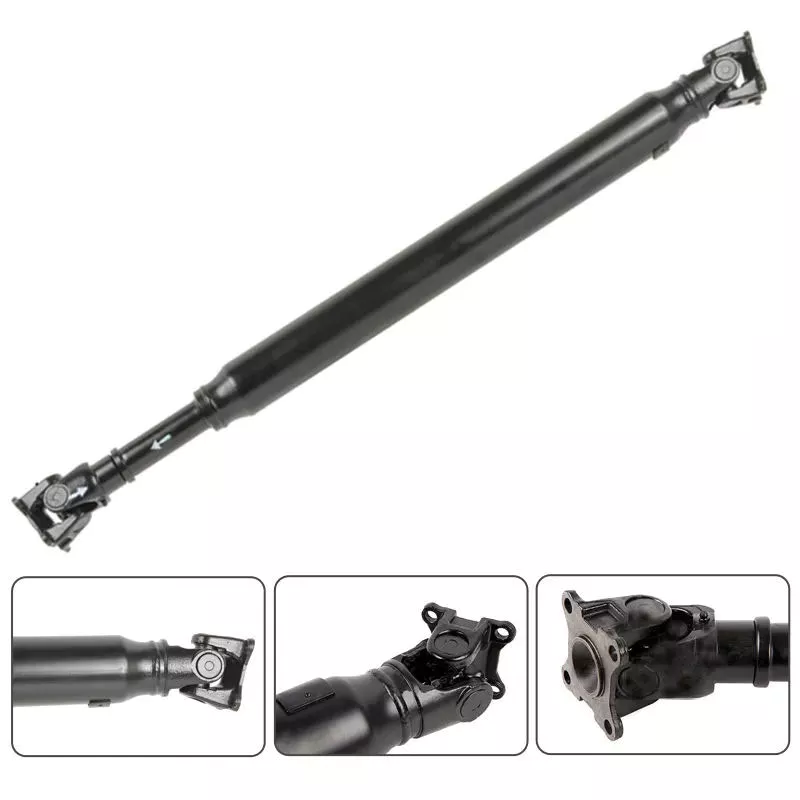
Gibt es irgendwelche Einschränkungen oder Nachteile im Zusammenhang mit Zapfwellen?
Zapfwellen bieten zwar zahlreiche Vorteile hinsichtlich Kraftübertragung und Vielseitigkeit, weisen aber auch gewisse Einschränkungen und Nachteile auf. Diese Faktoren müssen bei der Verwendung von Zapfwellen berücksichtigt werden, um einen sicheren und effizienten Betrieb zu gewährleisten. Im Folgenden finden Sie eine detaillierte Erläuterung einiger Einschränkungen und Nachteile von Zapfwellen:
1. Sicherheitsrisiken: Eine der größten Gefahren bei Zapfwellen ist das potenzielle Sicherheitsrisiko. Zapfwellen rotieren mit hoher Geschwindigkeit und können ein erhebliches Risiko darstellen, wenn sie nicht ordnungsgemäß geschützt oder gehandhabt werden. Ein versehentlicher Kontakt mit einer ungeschützten oder unzureichend geschützten Zapfwelle kann schwere Verletzungen wie Verheddern, Amputationen oder sogar Todesfälle zur Folge haben. Um diese Risiken zu minimieren, ist es unerlässlich, die Sicherheitsrichtlinien einzuhalten, geeignete Schutzvorrichtungen zu installieren und sicherzustellen, dass die Bediener in sicheren Handhabungspraktiken geschult sind.
2. Wartung und Schmierung: Zapfwellen benötigen regelmäßige Wartung und Schmierung, um optimale Leistung und Langlebigkeit zu gewährleisten. Die beweglichen Teile, wie z. B. Kreuzgelenke und Keilwellen, müssen in den empfohlenen Intervallen geprüft, gereinigt und geschmiert werden. Vernachlässigte Wartung kann zu vorzeitigem Verschleiß, verminderter Effizienz und potenziellen Ausfällen führen. Sorgfältige Wartungsmaßnahmen, einschließlich regelmäßiger Inspektionen und rechtzeitiger Schmierung, sind daher unerlässlich, um diese Probleme zu vermeiden.
3. Ausrichtung und Winkel: Zapfwellen benötigen eine präzise Ausrichtung und die richtigen Winkel, um eine effiziente Kraftübertragung zu gewährleisten. Fehlausrichtungen oder zu große Winkel zwischen Antriebsquelle und angetriebener Maschine können zu erhöhtem Verschleiß und Belastung der Bauteile und damit zu vorzeitigem Ausfall führen. Die korrekte Ausrichtung und Winkeleinstellung, beispielsweise mithilfe von verstellbaren Gleitstücken, ist daher wichtig, um übermäßige Belastungen der Zapfwelle und der zugehörigen Ausrüstung zu vermeiden.
4. Längenbeschränkungen: Zapfwellen unterliegen aufgrund technischer Gegebenheiten Längenbeschränkungen. Die Teleskopkonstruktion ermöglicht zwar eine gewisse Anpassung, jedoch ist die maximale Aus- und Einfahrlänge der Welle praktisch begrenzt. Überschreitet der Abstand zwischen Antriebsquelle und angetriebener Maschine die maximale oder unterschreitet er die minimale Länge der Zapfwelle, sind alternative Lösungen oder Modifikationen erforderlich. In manchen Fällen können zusätzliche Komponenten wie Antriebswellenverlängerungen oder Getriebe notwendig sein, um die Distanz zu überbrücken.
5. Kompatibilität: Obwohl Hersteller stets auf Kompatibilität achten, kann die Suche nach der passenden Zapfwelle für spezifische Gerätekonfigurationen dennoch eine Herausforderung darstellen. Geräte können hinsichtlich Verzahnungsgrößen, Drehmomentwerten oder Anschlussarten spezielle Anforderungen stellen, die mit handelsüblichen Zapfwellen möglicherweise nicht ohne Weiteres verfügbar oder kompatibel sind. Um diese Kompatibilitätsprobleme zu lösen, kann eine individuelle Anpassung erforderlich sein, was zu höheren Kosten oder längeren Lieferzeiten führen kann.
6. Lärm und Vibrationen: Zapfwellen können im Betrieb, insbesondere bei höheren Drehzahlen, erhebliche Geräusche und Vibrationen erzeugen. Dies kann für die Bediener störend sein und zusätzliche Maßnahmen zur Geräuschreduzierung oder Vibrationsdämpfung erforderlich machen. Übermäßige Vibrationen können zudem die Gesamtleistung und Lebensdauer der Zapfwelle und der angeschlossenen Geräte beeinträchtigen. Der Einsatz von Schwingungsdämpfern oder flexiblen Kupplungen kann diese Probleme mindern.
7. Leistungsgrenzen: Zapfwellen haben aufgrund ihrer Konstruktion, der verwendeten Materialien und Komponenten spezifische Leistungsgrenzen. Eine Überschreitung dieser Grenzen kann zu vorzeitigem Verschleiß, Bauteilausfällen oder sogar zum Bruch der Welle führen. Um einen sicheren und zuverlässigen Betrieb zu gewährleisten, ist es daher unerlässlich, die empfohlenen Nennleistungen für Zapfwellen zu kennen und einzuhalten. In manchen Fällen kann es erforderlich sein, auf eine Zapfwelle mit höherer Kapazität umzusteigen oder zusätzliche Kraftübertragungskomponenten einzusetzen, um höhere Leistungsanforderungen zu erfüllen.
8. Komplexe Montage und Demontage: Die Montage und Demontage von Zapfwellen kann ein komplexer Vorgang sein, insbesondere in beengten Räumen oder bei der Arbeit mit schweren Maschinen. Dabei müssen unter Umständen Verzahnungen ausgerichtet, Kupplungen eingerastet und Verriegelungsmechanismen gesichert werden. Unsachgemäße Montage- oder Demontageverfahren können die Welle oder die zugehörigen Bauteile beschädigen. Eine angemessene Schulung, der richtige Umgang mit den Geräten und die Einhaltung der Herstellerrichtlinien sind daher unerlässlich, um die sichere Montage und Demontage von Zapfwellen zu gewährleisten.
Trotz dieser Einschränkungen und Nachteile sind Nebenabtriebswellen nach wie vor weit verbreitete und wertvolle Komponenten zur Kraftübertragung in verschiedenen Branchen. Durch Berücksichtigung dieser Aspekte und die Implementierung geeigneter Sicherheitsmaßnahmen, Wartungspraktiken und Ausrichtungsverfahren lassen sich die potenziellen Nachteile von Nebenabtriebswellen wirksam minimieren und ein sicherer und effizienter Betrieb gewährleisten.
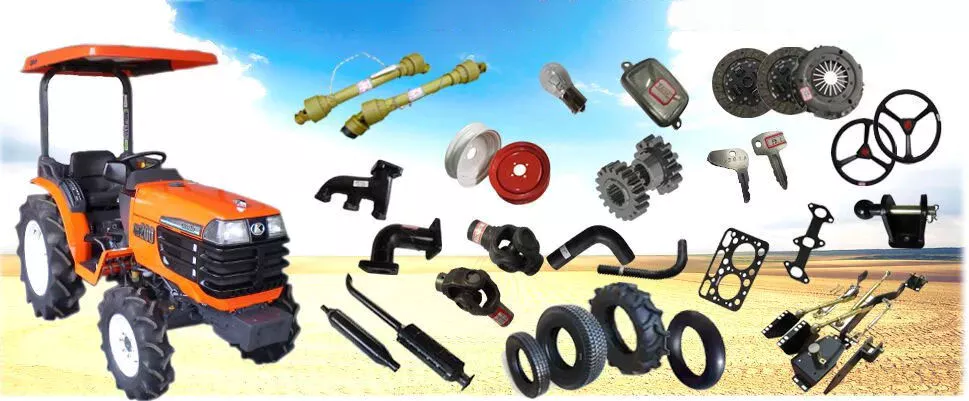
How do PTO shafts handle variations in speed and torque requirements?
PTO shafts (Power Take-Off shafts) are designed to handle variations in speed and torque requirements between the power source (such as a tractor or engine) and the driven machinery or equipment. They incorporate various mechanisms and components to ensure efficient power transmission while accommodating the different speed and torque demands. Here’s a detailed explanation of how PTO shafts handle variations in speed and torque requirements:
1. Gearbox Systems: PTO shafts often incorporate gearbox systems to match the speed and torque requirements between the power source and the driven machinery. Gearboxes allow for speed reduction or increase and can also change the rotational direction if necessary. By using different gear ratios, PTO shafts can adapt the rotational speed and torque output to suit the specific requirements of the driven equipment. Gearbox systems enable PTO shafts to provide the necessary power and speed compatibility between the power source and the machinery they drive.
2. Shear Bolt Mechanisms: Some PTO shafts, particularly in applications where sudden overloads or shock loads are expected, use shear bolt mechanisms. These mechanisms are designed to protect the driveline components from damage by disconnecting the PTO shaft in case of excessive torque or sudden resistance. Shear bolts are designed to break at a specific torque threshold, ensuring that the PTO shaft separates before the driveline components suffer damage. By incorporating shear bolt mechanisms, PTO shafts can handle variations in torque requirements and provide a safety feature to protect the equipment.
3. Friction Clutches: PTO shafts may incorporate friction clutch systems to enable smooth engagement and disengagement of power transfer. Friction clutches use a disc and pressure plate mechanism to control the transmission of power. Operators can gradually engage or disengage the power transfer by adjusting the pressure on the friction disc. This feature allows for precise control over torque transmission, accommodating variations in torque requirements while minimizing shock loads on the driveline components. Friction clutches are commonly used in applications where smooth power engagement is essential, such as in hydraulic pumps, generators, and industrial mixers.
4. Constant Velocity (CV) Joints: In cases where the driven machinery requires a significant range of movement or articulation, PTO shafts may incorporate Constant Velocity (CV) joints. CV joints allow the PTO shaft to accommodate misalignment and angular variations without affecting power transmission. These joints provide a smooth and constant power transfer even when the driven machinery is at an angle relative to the power source. CV joints are commonly used in applications such as articulated loaders, telescopic handlers, and self-propelled sprayers, where the machinery requires flexibility and a wide range of movement.
5. Telescopic Designs: Some PTO shafts feature telescopic designs that allow for length adjustment. These shafts consist of two or more concentric shafts that slide within each other, providing the ability to extend or retract the PTO shaft as needed. Telescopic designs accommodate variations in the distance between the power source and the driven machinery. By adjusting the length of the PTO shaft, operators can ensure proper power transmission without the risk of the shaft dragging on the ground or being too short to reach the equipment. Telescopic PTO shafts are commonly used in applications where the distance between the power source and the implement varies, such as in front-mounted implements, snow blowers, and self-loading wagons.
By incorporating these mechanisms and designs, PTO shafts can handle variations in speed and torque requirements effectively. They provide the necessary flexibility, safety, and control to ensure efficient power transmission between the power source and the driven machinery. PTO shafts play a critical role in adapting power to meet the specific needs of various equipment and applications.


editor by CX 2024-04-26























