
Produktbeschreibung
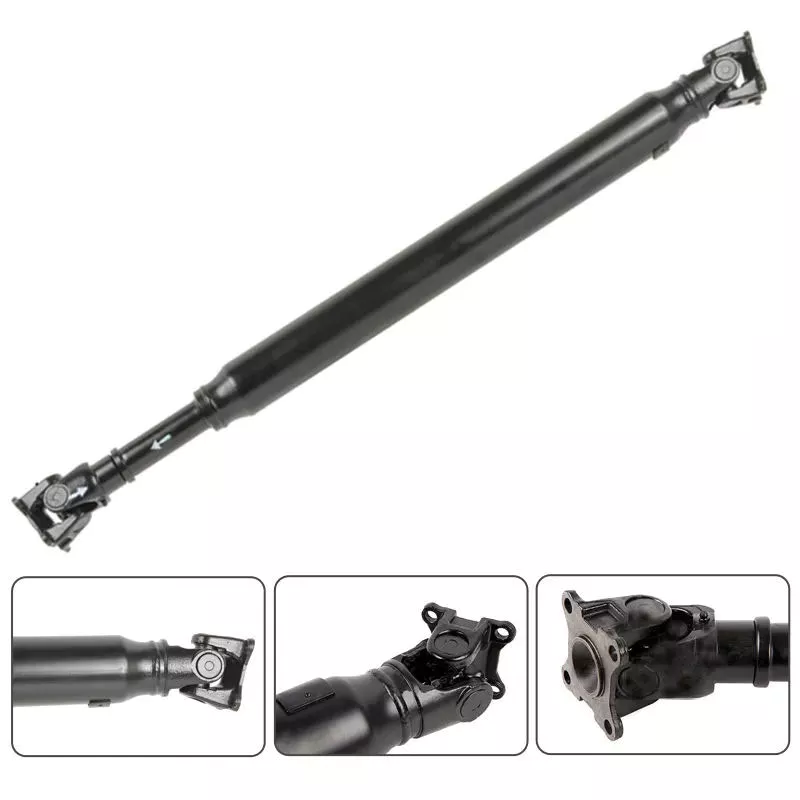
As a professional manufacturer for propeller shaft, we have +800 items for all kinds of car, main suitable
for AMERICA & EUROPE market.
Our advantage:
1. Full range of products
2. MOQ qty: 5pcs/items
3. Delivery on time
4: Warranty: 1 YEAR
5. Develope new items: FREE
|
Markenname |
KOWA DRIVE SHAFT |
|
Item name |
OEM |
|
Car maker |
For all japanese/korean/european/american car |
|
Moq |
5pcs |
|
Guarantee |
12 months |
|
sample |
Available if have stock |
|
Price |
Send inquiry to get lastest price |
|
BOX/QTY |
1PCS/Bag 4PCS /CTNS |
For some items, we have stock, small order (+3000USD) is welcome.
The following items are some of drive shafts, If you need more information, pls contact us for ASAP.
| For Japanese Car | |||
| for TOYOTA | for TOYOTA | ||
| 43420-57170 | 43420-57180 | 43410-0W081 | 43420-0W080 |
| 43410-57120 | 43420-57190 | 43410-0W091 | 43420-0W090 |
| 43410-57130 | 43420-57120 | 43410-0W100 | 43420-0W110 |
| 43410-57150 | 43420-02B10 | 43410-0W110 | 43420-0W160 |
| 43410-06221 | 43420-02B11 | 43410-0W140 | 43420-32161 |
| 43410-06231 | 43420-02B60 | 43410-0W150 | 43420-33250 |
| 43410-06460 | 43420-02B61 | 43410-0W180 | 43420-33280 |
| 43410-06570 | 43420-02B62 | 43410-12410 | 43420-48090 |
| 43410-06580 | 43420-06221 | 43410-33280 | 43420-48091 |
| 43410-066-90 | 43420-06231 | 43410-33290 | 43430OK571 |
| 43410-06750 | 43420-06460 | 43410-33330 | 66-5245 |
| 43410-06780 | 43420-06490 | 43410-48070 | 66-5247 |
| 43410-06A40 | 43420-06500 | 43410-48071 | 43420-57150 |
| 43410-06A50 | 43420- 0571 0 | 43410-0W061 | 43420-0W061 |
| 43410-07070 | 43420-06610 | 43410-0W071 | 43420-0W071 |
| for Acura | for LEXUS | ||
| 44305STKA00 | 66-4198 | 43410-06200 | 43410-06480 |
| 44305STKA01 | 66-4261 | 43410-06450 | 43410-06560 |
| 44305SZPA00 | 66-4262 | 66-5265 | |
| 44306STKA00 | 66-4270 | for MITSUBISHI | |
| 44306STKA01 | 66-4271 | 3815A309 | 3815A310 |
| 44306SZPA00 | |||
| for Honda | for MAZDA | ||
| 44571S1571 | 44306S3VA61 | 5L8Z3A428AB | GG052550XD |
| 44011S1571 | 44306S3VA62 | 5L8Z3A428DA | GG052560XE |
| 44305S2HN50 | 44306S9VA51 | 66-2090 | GG362550XA |
| 44305SCVA50 | 44306S9VA71 | 6L8Z3A428A | YL8Z3A427AA |
| 44305SCVA51 | 44306SCVA50 | 9L8Z3A427B | YL8Z3A427BA |
| 44305SCVA90 | 44306SCVA51 | GG032550XD | YL8Z3A428AA |
| 44305SCVA91 | 44306SCVA90 | GG042550XD | YL8Z3A428BA |
| 44305STXA02 | 44306SCVA91 | GG042560XG | ZC32550XA |
| 44305SZAA01 | 44306STXA02 | for Nissan | |
| 44306S2H951 | 44306SZAA01 | 39101-1HS0A | 39100-1HS0A |
| 44306SZAA11 | 44306SZAA01RM | 39101-1HS0B | 39100-1HS0B |
| 44306SZAA12 | 66-4213 | ||
| 66-4214 | |||
| for Europe Car | |||
| for VOLKSWAGEN | for VOLKSWAGEN | ||
| 4885712AD | 7B0407271B | 7E0407271G | 7LA407272C |
| 4885713AF | 7B0407272 | 7E0407271P | 7LA4 0571 2CX |
| 4881214AE | 7B0407272E | 7LA407271E | |
| 7B0407271A | |||
| for America Car | |||
| for CHRYSLER | for MERCURY | ||
| 4593447AA | 557180AD | 4F1Z3B437AA | GG322560X |
| 4641855AA | 52114390AB | 5L8Z3A428DB | GG362560XA |
| 4641855AC | 5273546AC | 66-2249 | YL8Z3A427CA |
| 4641856AA | 66-3108 | 9L8Z3A427C | YL8Z3A427DA |
| 4641856AC | 66-3109 | 9L8Z3A427D | YL8Z3A427EA |
| 4882517 | 66-3130 | GG062550XD | YL8Z3A427FA |
| 4882518 | 66-3131 | GG062560XE | YL8Z3A428CA |
| 4882519 | 66-3234 | GG312560X | ZZDA2560X |
| 4882520 | 66-3518 | ZZDA2560XC | ZZDA2560XA |
| 557130AB | 66-3520 | for RAM | |
| 66-3552 | 66-3522 | 4885713AD | 55719AB |
| 66-3553 | 66-3551 | 4881214AD | 66-3404 |
| 66-3554 | 66-3639 | 55719AA | 66-3740 |
| 68193908AB | 66-3641 | 68571398AA | |
| for FORD | for DODGE | ||
| 1F0571400 | E6DZ3V428AARM | 4593449AA | 7B0407272A |
| 1F0571410 | E8DZ3V427AARM | 4641855AE | 7B0407272B |
| 1F2Z3B436AA | E8DZ3V428AARM | 4641855EE | 7B0407272C |
| 2F1Z3A428CA | E90Y3V427AARM | 4641856AD | R4881214AE |
| 2M5Z3B437CA | E90Y3V428AARM | 4641856AF | RL189279AA |
| 4F1Z3B437BA | F0DZ3V427AARM | 4885710AC | 557180AG |
| 5M6Z3A428AA | F0DZ3V428AARM | 4885710AE | 5170822AA |
| 5S4Z3B437AA | F21Z3B437A | 4885710AF | 52114390AA |
| 66-2005 | F21Z3B437B | 4885710AG | 5273546AD |
| 66-2008 | F2DZ3B436A | 4885711AC | 5273546AE |
| 66-2571 | F2DZ3B436B | 4885711AD | 5273546AF |
| 66-2084 | F2DZ3B437A | 4885712AC | 5273558AB |
| 66-2086 | F2DZ3B437B | 4885712AE | 5273558AD |
| 66-2095 | F4DZ3B437A | 4885712AG | 5273558AE |
| 66-2101 | F57Z3B436BA | 4885712AH | 5273558AF |
| 66-2143 | F57Z3B437BA | 4885713AC | 4881214AC |
| 6S4Z3B437BA | F5DZ3A427BA | 4885713AG | 4881214AF |
| 8S4Z3B437A | F5DZ3A428AS | 4885713AI | 4881214AG |
| 9L8Z3A427A | F5DZ3B426D | 4885713AJ | 557130AA |
| E6DZ3V427AARM | F5DZ3B436D | 5273558AG | 557180AE |
| YF1Z3A428RS | F5DZ3B437B | 66-3382 | 557180AF |
| YL8Z3A428DA | F5TZ3B436A | 66-3511 | 66-3514 |
| YS4Z3B437BB | GG032560XG | 66-3759 | 66-3564 |
| YS4Z3B437CB | GG362550X | ||
| YF1Z3A427L | |||
| for CHEVROLET | for JEEP | ||
| 257191 | 26062613 | 4578885AA | 5215710AA |
| 22791460 | 4578885AB | 5215711AB | |
| 26011961 | 4578885AC | 5215711AB | |
| 26571730 | 2657189 | 4720380 | 5273438AC |
| 2657165 | 66-1401 | 4720381 | 5273438AD |
| 26058932 | 66-1438 | 5012456AB | 5273438AE |
| 26065719 | 88982496 | 5012457AB | 5273438AG |
| for HUMMER | 5066571AA | 66-3220 | |
| 1571204 | 595716 | 557120AB | 66-3221 |
| 15886012 | 66-1417 | 557120AC | 66-3298 |
| for CADILLAC | 557120AD | 66-3352 | |
| 88957151 | 66-1416 | 557120AE | 66-3417 |
| 66-1009 | 66-1430 | 5189278AA | 66-3418 |
| 66-1415 | 88957150 | 5189279AA | 66-3419 |
/* 22. Januar 2571 19:08:37 */!function(){function s(e,r){var a,o={};try{e&&e.split(“,“).forEach(function(e,t){e&&(a=e.match(/(.*?):(.*)$/))&&1
| Kundendienst: | 1 Jahr |
|---|---|
| Zustand: | Neu |
| Color: | Black |
| Zertifizierung: | ISO |
| Typ: | Antriebswelle |
| Application Brand: | Nissan |
| Proben: |
US$ 300/Piece
1 Stück (Mindestbestellmenge) | |
|---|
| Anpassung: |
Verfügbar
| Kundenspezifische Anfrage |
|---|
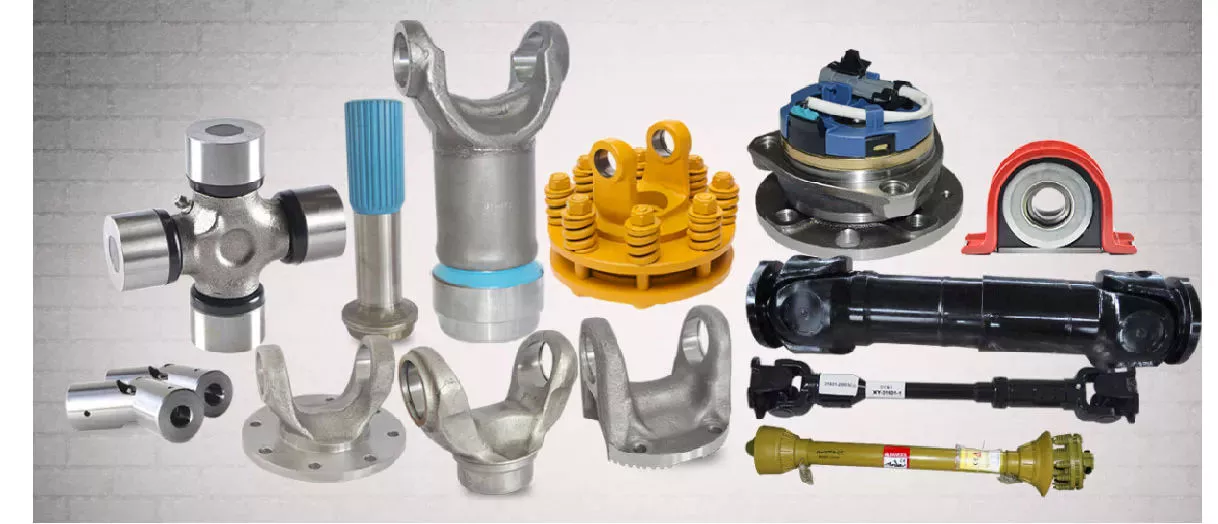
What factors should be considered when selecting the right drive shaft for an application?
When selecting the right drive shaft for an application, several factors need to be considered. The choice of drive shaft plays a crucial role in ensuring efficient and reliable power transmission. Here are the key factors to consider:
1. Leistungs- und Drehmomentanforderungen:
The power and torque requirements of the application are essential considerations. It is crucial to determine the maximum torque that the drive shaft will need to transmit without failure or excessive deflection. This includes evaluating the power output of the engine or power source, as well as the torque demands of the driven components. Selecting a drive shaft with the appropriate diameter, material strength, and design is essential to ensure it can handle the expected torque levels without compromising performance or safety.
2. Operating Speed:
The operating speed of the drive shaft is another critical factor. The rotational speed affects the dynamic behavior of the drive shaft, including the potential for vibration, resonance, and critical speed limitations. It is important to choose a drive shaft that can operate within the desired speed range without encountering excessive vibrations or compromising the structural integrity. Factors such as the material properties, balance, and critical speed analysis should be considered to ensure the drive shaft can handle the required operating speed effectively.
3. Length and Alignment:
The length and alignment requirements of the application must be considered when selecting a drive shaft. The distance between the engine or power source and the driven components determines the required length of the drive shaft. In situations where there are significant variations in length or operating angles, telescopic drive shafts or multiple drive shafts with appropriate couplings or universal joints may be necessary. Proper alignment of the drive shaft is crucial to minimize vibrations, reduce wear and tear, and ensure efficient power transmission.
4. Space Limitations:
The available space within the application is an important factor to consider. The drive shaft must fit within the allocated space without interfering with other components or structures. It is essential to consider the overall dimensions of the drive shaft, including length, diameter, and any additional components such as joints or couplings. In some cases, custom or compact drive shaft designs may be required to accommodate space limitations while maintaining adequate power transmission capabilities.
5. Environmental Conditions:
The environmental conditions in which the drive shaft will operate should be evaluated. Factors such as temperature, humidity, corrosive agents, and exposure to contaminants can impact the performance and lifespan of the drive shaft. It is important to select materials and coatings that can withstand the specific environmental conditions to prevent corrosion, degradation, or premature failure of the drive shaft. Special considerations may be necessary for applications exposed to extreme temperatures, water, chemicals, or abrasive substances.
6. Application Type and Industry:
The specific application type and industry requirements play a significant role in drive shaft selection. Different industries, such as automotive, aerospace, industrial machinery, agriculture, or marine, have unique demands that need to be addressed. Understanding the specific needs and operating conditions of the application is crucial in determining the appropriate drive shaft design, materials, and performance characteristics. Compliance with industry standards and regulations may also be a consideration in certain applications.
7. Wartung und Instandhaltung:
The ease of maintenance and serviceability should be taken into account. Some drive shaft designs may require periodic inspection, lubrication, or replacement of components. Considering the accessibility of the drive shaft and associated maintenance requirements can help minimize downtime and ensure long-term reliability. Easy disassembly and reassembly of the drive shaft can also be beneficial for repair or component replacement.
By carefully considering these factors, one can select the right drive shaft for an application that meets the power transmission needs, operating conditions, and durability requirements, ultimately ensuring optimal performance and reliability.
Can drive shafts be customized for specific vehicle or equipment requirements?
Yes, drive shafts can be customized to meet specific vehicle or equipment requirements. Customization allows manufacturers to tailor the design, dimensions, materials, and other parameters of the drive shaft to ensure compatibility and optimal performance within a particular vehicle or equipment. Here’s a detailed explanation of how drive shafts can be customized:
1. Dimensional Customization:
Drive shafts can be customized to match the dimensional requirements of the vehicle or equipment. This includes adjusting the overall length, diameter, and spline configuration to ensure proper fitment and clearances within the specific application. By customizing the dimensions, the drive shaft can be seamlessly integrated into the driveline system without any interference or limitations.
2. Material Selection:
The choice of materials for drive shafts can be customized based on the specific requirements of the vehicle or equipment. Different materials, such as steel alloys, aluminum alloys, or specialized composites, can be selected to optimize strength, weight, and durability. The material selection can be tailored to meet the torque, speed, and operating conditions of the application, ensuring the drive shaft’s reliability and longevity.
3. Joint Configuration:
Drive shafts can be customized with different joint configurations to accommodate specific vehicle or equipment requirements. For example, universal joints (U-joints) may be suitable for applications with lower operating angles and moderate torque demands, while constant velocity (CV) joints are often used in applications requiring higher operating angles and smoother power transmission. The choice of joint configuration depends on factors such as operating angle, torque capacity, and desired performance characteristics.
4. Torque and Power Capacity:
Customization allows drive shafts to be designed with the appropriate torque and power capacity for the specific vehicle or equipment. Manufacturers can analyze the torque requirements, operating conditions, and safety margins of the application to determine the optimal torque rating and power capacity of the drive shaft. This ensures that the drive shaft can handle the required loads without experiencing premature failure or performance issues.
5. Balancing and Vibration Control:
Drive shafts can be customized with precision balancing and vibration control measures. Imbalances in the drive shaft can lead to vibrations, increased wear, and potential driveline issues. By employing dynamic balancing techniques during the manufacturing process, manufacturers can minimize vibrations and ensure smooth operation. Additionally, vibration dampers or isolation systems can be integrated into the drive shaft design to further mitigate vibrations and enhance overall system performance.
6. Integration and Mounting Considerations:
Customization of drive shafts takes into account the integration and mounting requirements of the specific vehicle or equipment. Manufacturers work closely with the vehicle or equipment designers to ensure that the drive shaft fits seamlessly into the driveline system. This includes adapting the mounting points, interfaces, and clearances to ensure proper alignment and installation of the drive shaft within the vehicle or equipment.
7. Collaboration and Feedback:
Manufacturers often collaborate with vehicle manufacturers, OEMs (Original Equipment Manufacturers), or end-users to gather feedback and incorporate their specific requirements into the drive shaft customization process. By actively seeking input and feedback, manufacturers can address specific needs, optimize performance, and ensure compatibility with the vehicle or equipment. This collaborative approach enhances the customization process and results in drive shafts that meet the exact requirements of the application.
8. Compliance with Standards:
Customized drive shafts can be designed to comply with relevant industry standards and regulations. Compliance with standards, such as ISO (International Organization for Standardization) or specific industry standards, ensures that the customized drive shafts meet quality, safety, and performance requirements. Adhering to these standards provides assurance that the drive shafts are compatible and can be seamlessly integrated into the specific vehicle or equipment.
In summary, drive shafts can be customized to meet specific vehicle or equipment requirements through dimensional customization, material selection, joint configuration, torque and power capacity optimization, balancing and vibration control, integration and mounting considerations, collaboration with stakeholders, and compliance with industry standards. Customization allows drive shafts to be precisely tailored to the needs of the application, ensuring compatibility, reliability, and optimal performance.
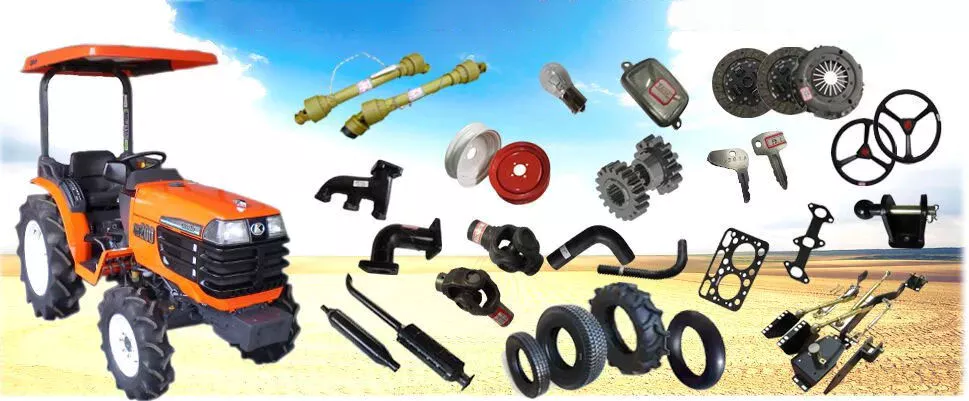
Gibt es Unterschiede in der Konstruktion der Antriebswelle für verschiedene Maschinentypen?
Ja, es gibt verschiedene Ausführungen von Antriebswellen, die auf die spezifischen Anforderungen unterschiedlicher Maschinentypen zugeschnitten sind. Die Konstruktion einer Antriebswelle wird von Faktoren wie Anwendung, Kraftübertragungsbedarf, Platzverhältnissen, Betriebsbedingungen und Art der angetriebenen Komponenten beeinflusst. Im Folgenden wird erläutert, wie sich Antriebswellen für verschiedene Maschinentypen unterscheiden können:
1. Anwendungen im Automobilbereich:
In der Automobilindustrie variieren die Konstruktionen von Antriebswellen je nach Fahrzeugkonfiguration. Fahrzeuge mit Hinterradantrieb verwenden typischerweise eine ein- oder zweiteilige Antriebswelle, die das Getriebe oder Verteilergetriebe mit dem Hinterachsdifferenzial verbindet. Fahrzeuge mit Vorderradantrieb nutzen häufig eine andere Konstruktion mit einer Antriebswelle, die in Kombination mit Gleichlaufgelenken (CV-Gelenken) die Kraft auf die Vorderräder überträgt. Fahrzeuge mit Allradantrieb können mehrere Antriebswellen besitzen, um die Kraft auf alle Räder zu verteilen. Länge, Durchmesser, Material und Gelenktypen können je nach Fahrzeugaufbau und Drehmomentanforderungen variieren.
2. Industriemaschinen:
Die Konstruktion von Antriebswellen für Industriemaschinen hängt von der jeweiligen Anwendung und den Anforderungen an die Kraftübertragung ab. In Fertigungsmaschinen wie Förderbändern, Pressen und rotierenden Anlagen sind Antriebswellen so ausgelegt, dass sie die Kraft effizient innerhalb der Maschine übertragen. Sie können flexible Gelenke aufweisen oder über eine Keilwellen- oder Passfederverbindung verfügen, um Fluchtungsfehler auszugleichen oder eine einfache Demontage zu ermöglichen. Die Abmessungen, Werkstoffe und die Verstärkung der Antriebswelle werden anhand des Drehmoments, der Drehzahl und der Betriebsbedingungen der Maschine ausgewählt.
3. Landwirtschaft und Ackerbau:
Landmaschinen wie Traktoren, Mähdrescher und Erntemaschinen benötigen häufig Antriebswellen, die hohen Drehmomenten und unterschiedlichen Betriebswinkeln standhalten. Diese Antriebswellen übertragen die Kraft vom Motor auf Anbaugeräte wie Mähwerke, Ballenpressen, Bodenfräsen und Erntemaschinen. Sie können teleskopierbare Abschnitte für variable Längen, flexible Gelenke zum Ausgleich von Fehlausrichtungen im Betrieb und Schutzvorrichtungen zum Schutz vor Verheddern mit Erntegut oder Fremdkörpern aufweisen.
4. Bau- und Schwermaschinen:
Baumaschinen und schwere Geräte wie Bagger, Lader, Planierraupen und Kräne benötigen robuste Antriebswellen, die auch unter anspruchsvollen Bedingungen Kraft übertragen können. Diese Antriebswellen weisen oft größere Durchmesser und dickere Wände auf, um hohen Drehmomenten standzuhalten. Sie können Kreuzgelenke oder Gleichlaufgelenke (CV-Gelenke) beinhalten, um Betriebswinkel zu ermöglichen und Stöße und Vibrationen zu absorbieren. Antriebswellen dieser Kategorie können zudem zusätzliche Verstärkungen aufweisen, um den rauen Umgebungsbedingungen und den hohen Belastungen im Bau- und Erdbau standzuhalten.
5. Anwendungen im maritimen Bereich:
Antriebswellen für Schiffsanwendungen sind speziell darauf ausgelegt, den korrosiven Einflüssen von Meerwasser und den hohen Drehmomentbelastungen in Schiffsantriebssystemen standzuhalten. Sie bestehen typischerweise aus Edelstahl oder anderen korrosionsbeständigen Werkstoffen. Flexible Kupplungen oder Dämpfungselemente reduzieren Vibrationen und minimieren die Auswirkungen von Fluchtungsfehlern. Bei der Konstruktion von Schiffsantriebswellen werden zudem Faktoren wie Wellenlänge, Durchmesser und Lager berücksichtigt, um eine zuverlässige Kraftübertragung in Schiffen zu gewährleisten.
6. Bergbau- und Gewinnungsausrüstung:
In der Bergbauindustrie werden Antriebswellen in schweren Maschinen und Geräten wie Muldenkippern, Baggern und Bohranlagen eingesetzt. Diese Antriebswellen müssen extrem hohen Drehmomenten und rauen Betriebsbedingungen standhalten. Antriebswellen für den Bergbau zeichnen sich häufig durch größere Durchmesser, dickere Wände und spezielle Werkstoffe wie legierten Stahl oder Verbundwerkstoffe aus. Sie können Kreuzgelenke oder Gleichlaufgelenke zur Bewältigung von Betriebswinkeln aufweisen und sind abrieb- und verschleißfest konstruiert.
Diese Beispiele verdeutlichen die Unterschiede in der Konstruktion von Antriebswellen für verschiedene Maschinentypen. Bei der Konstruktion werden Faktoren wie Leistungsbedarf, Betriebsbedingungen, Platzverhältnisse, Ausrichtungsanforderungen und die spezifischen Anforderungen der jeweiligen Maschine oder Branche berücksichtigt. Durch die Anpassung der Antriebswelle an die individuellen Anforderungen jeder Anwendung lassen sich optimale Kraftübertragungseffizienz und Zuverlässigkeit erzielen.


editor by CX 2024-04-24























