
Produktbeschreibung
|
Produktname |
Custom Stainless Steel Long CHINAMFG Gear Shafts |
|||
|
Material |
1)Metal:Stainless steel,Steel(Iron,)Brass,Copper,Aluminum2)Plastic:POM,Nylon,ABS,PP 3)OEM according to your request |
|||
|
Oberflächenbehandlung |
Anodized different color,Mini polishing&brushing,Electronplating(zinc plated,nickel plated,chrome plated),Power coating&PVD |
|||
|
Tolerance |
±0.01mm |
|||
|
process |
Machining |
|||
|
Certificate |
ISO9001:2015,SGS, ROHS,ISO9001:2015 |
|||
|
Size |
According to your drawing(stp,dwg,igs,pdf),or sample,provide custom service |
|||
ZheZheJiang nlead Precision Co., Ltd. which focuses on CNC machining, including milling, turning, auto-lathe turning,holing,
grinding, heat treatment from raw materials of bars, tube, extruded profiles, blanks of cold forging & hot forging, aluminum
die casting.
We provide one-stop service, from professional design analysis, to free quote, fast prototype, IATF16949 & ISO14001
standard manufacturing, to safe shipping and great after-sales services.During 16 years, we have win lots of trust in the
global market, most of them come from North America and Europe.
Now you may have steady customers, and hope you can keep us in the archives to get more market news.
Sunlead produce all kinds of machining parts according to customer’s drawing, we can produces stainless steel Turned
parts,carbon steel Turned parts, aluminum turned parts,brass & copper turned parts. Please feel free to send inquiry to
us, and our professional sales manager will get back to you ASAP!
Our advantage:
*Specialization in CNC formulations of high precision and high quality
*Independent quality control department
*Control plan and process flow sheet for each batch
*Quality control in all whole production
*Meeting demands even for very small quantities or single units
*Short delivery times
*Excellent price-quality ratio
*Absolute confidentiality
*Various materials (stainless steel, iron, brass, aluminum, titanium, special steels,
industrial plastics)
1. Are you a factory or a trading company?
A: We are a factory specializing in CNC processing and automatic manufacturing.
2. How’s the package?
A: Normally are Carton box+wooden box, but also we can pack it according to your requireme
3. How long can I get some samples for checking and what about the price?
A: Normaly samples will be done within 1-2 days (automatic machining parts) or 3-5 day (cnc machining parts).
Thesample cost depends on all information (size, material, finish, etc.). We will return the sample cost if your
order quantity is good.
4. How is the warranty of the products quality control?
: We hold the tightend quality controlling from very begining to the end and aim at 100% error free.
5.How to get an accurate quotation?
♦ Drawings, photos or samples of products.
♦ Detailed sizes of products.
♦ Material of products.
♦ Surface treatment of products.
♦ Ordinary purchasing quantity. /* January 22, 2571 19:08:37 */!function(){function s(e,r){var a,o={};try{e&&e.split(“,”).forEach(function(e,t){e&&(a=e.match(/(.*?):(.*)$/))&&1
| Kundendienst: | Ja |
|---|---|
| Zustand: | Neu |
| Color: | Red, Silver, Yellow |
| Proben: |
US$ 16.98/Piece
1 Stück (Mindestbestellmenge) | Muster bestellen |
|---|
| Anpassung: |
Verfügbar
| Kundenspezifische Anfrage |
|---|
.shipping-cost-tm .tm-status-off{background: none;padding:0;color: #1470cc}
|
Versandkosten:
Geschätzte Frachtkosten pro Einheit. |
über Versandkosten und voraussichtliche Lieferzeit. |
|---|
| Zahlungsmethode: |
|
|---|---|
|
Erste Zahlung Vollständige Zahlung |
| Währung: | US$ |
|---|
| Rückgabe & Erstattung: | Sie können bis zu 30 Tage nach Erhalt der Produkte eine Rückerstattung beantragen. |
|---|
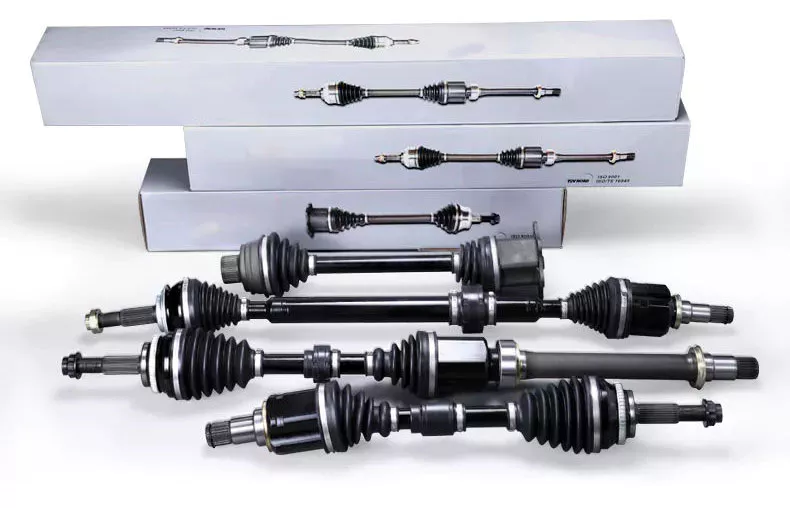
Wie gewährleisten Zapfwellen eine effiziente Kraftübertragung bei gleichzeitiger Aufrechterhaltung der Sicherheit?
Zapfwellen (PTO-Wellen) spielen eine entscheidende Rolle für die effiziente Kraftübertragung von einer Energiequelle auf angetriebene Maschinen oder Anlagen und gewährleisten gleichzeitig die Sicherheit. Diese Wellen sind mit verschiedenen Merkmalen und Mechanismen ausgestattet, um die Kraftübertragungseffizienz zu optimieren und potenzielle Gefahren zu minimieren. Im Folgenden finden Sie eine detaillierte Erklärung, wie Zapfwellen eine effiziente Kraftübertragung bei gleichzeitiger Gewährleistung höchster Sicherheit erreichen:
1. Mechanische Kraftübertragung: Zapfwellen dienen als mechanische Verbindung zwischen der Antriebsquelle, typischerweise einem Traktor oder Motor, und der angetriebenen Maschine. Sie übertragen Rotationsenergie von der Antriebsquelle auf das Gerät und ermöglichen so einen effizienten Energietransfer. Die mechanische Konstruktion von Zapfwellen, einschließlich Durchmesser, Länge und Materialzusammensetzung, ist optimiert, um Leistungsverluste während der Übertragung zu minimieren und sicherzustellen, dass ein Großteil der von der Antriebsquelle erzeugten Leistung effektiv an die Maschine abgegeben wird.
2. Universalgelenke und flexible Kupplungen: Zapfwellen sind mit Kreuzgelenken und flexiblen Kupplungen ausgestattet, die Winkelabweichungen ausgleichen und Bewegungsspielraum ermöglichen. Kreuzgelenke gleichen Abweichungen in der Ausrichtung zwischen Antriebsquelle und angetriebener Maschine aus und gewährleisten so eine reibungslose Kraftübertragung, selbst wenn die beiden Komponenten nicht perfekt ausgerichtet sind. Flexible Kupplungen tragen dazu bei, geringfügige Fehlausrichtungen zu kompensieren, Vibrationen zu reduzieren und übermäßige Belastungen der Welle und der angeschlossenen Komponenten zu vermeiden. Dadurch werden die Effizienz gesteigert und das Risiko von mechanischen Ausfällen oder Beschädigungen verringert.
3. Gleichlaufgelenke (CV-Gelenke): Gleichlaufgelenke werden häufig in Nebenantriebswellen eingesetzt, um eine konstante Drehzahl und Drehmomentübertragung zu gewährleisten, insbesondere in Anwendungen, bei denen die angetriebene Maschine Flexibilität erfordert oder in unterschiedlichen Winkeln arbeitet. Gleichlaufgelenke ermöglichen eine gleichmäßige Kraftübertragung ohne signifikante Schwankungen, selbst wenn die angetriebene Maschine schräg zur Kraftquelle steht. Durch die Minimierung von Drehzahlschwankungen und Leistungsverlusten aufgrund von Winkeländerungen tragen Gleichlaufgelenke zu einer effizienten Kraftübertragung bei, gewährleisten eine gleichbleibende Leistung und reduzieren die Wahrscheinlichkeit von mechanischer Belastung oder vorzeitigem Verschleiß.
4. Schutzvorrichtungen und Schutzschilde: Sicherheit hat bei der Konstruktion von Zapfwellen höchste Priorität. Schutzvorrichtungen und Abdeckungen werden installiert, um die rotierende Welle und andere bewegliche Teile abzudecken. Diese Schutzvorrichtungen dienen als physische Barrieren, um versehentlichen Kontakt mit den rotierenden Komponenten zu verhindern und so das Risiko von Verheddern, Verletzungen oder Beschädigungen deutlich zu reduzieren. Schutzvorrichtungen bestehen in der Regel aus robusten Materialien wie Metall oder Kunststoff und sind so konstruiert, dass sie die für die Kraftübertragung notwendige Bewegung ermöglichen und gleichzeitig einen ausreichenden Schutz bieten. Regelmäßige Inspektion und Wartung dieser Schutzvorrichtungen sind entscheidend, um ihre Wirksamkeit und damit die Sicherheit zu gewährleisten.
5. Scherbolzen- oder Rutschkupplungsmechanismen: Zapfwellen sind häufig mit Scherbolzen oder Rutschkupplungen als Sicherheitsmechanismen ausgestattet, um die Antriebskomponenten zu schützen und Schäden bei zu hohem Drehmoment oder plötzlichem Widerstand zu verhindern. Scherbolzen sind so konstruiert, dass sie bei Überschreitung eines vordefinierten Drehmomentschwellenwerts abscheren oder brechen und die Zapfwelle von der Antriebsquelle trennen. Dies trägt dazu bei, Schäden an der Welle, den angetriebenen Maschinen und der Antriebsquelle zu vermeiden. Rutschkupplungen funktionieren ähnlich, indem sie bei zu hohem Widerstand ein Durchrutschen der Zapfwelle ermöglichen und so die Komponenten vor Überlastung schützen. Diese Mechanismen dienen als Sicherheitsmaßnahmen, um die Integrität der Zapfwelle und der zugehörigen Ausrüstung zu gewährleisten und gleichzeitig das Risiko von mechanischen Ausfällen oder Unfällen zu minimieren.
6. Einhaltung der Sicherheitsstandards: Zapfwellen werden so konstruiert und gefertigt, dass sie den geltenden Sicherheitsstandards und -vorschriften entsprechen. Hersteller orientieren sich an den Richtlinien und Anforderungen von Organisationen wie der American Society of Agricultural and Biological Engineers (ASABE) oder anderen regionalen Sicherheitsbehörden. Die Einhaltung dieser Standards gewährleistet, dass Zapfwellen spezifische Sicherheitskriterien erfüllen, darunter Drehmomentkapazität, Schutzvorrichtungen und weitere Sicherheitsaspekte. Anwender können sich auf standardisierte, geprüfte und zertifizierte Zapfwellen verlassen, was zusätzliche Sicherheit hinsichtlich ihrer Sicherheit und Leistung bietet.
7. Schulung und Weiterbildung der Bediener: Für einen sicheren und effizienten Betrieb ist eine angemessene Schulung der Bediener von Zapfwellen unerlässlich. Sie müssen mit den spezifischen Sicherheitsmerkmalen, Wartungsanforderungen und sicheren Betriebsabläufen der in ihren Anwendungen verwendeten Zapfwellen vertraut sein. Dazu gehört das Verständnis für die Bedeutung der Verwendung geeigneter persönlicher Schutzausrüstung, die regelmäßige Überprüfung der Geräte auf Verschleiß oder Beschädigungen sowie die Einhaltung der empfohlenen Wartungspläne. Das Bewusstsein der Bediener für die Sicherheitsvorschriften und deren Einhaltung tragen wesentlich zu einem sicheren Arbeitsumfeld und einer optimalen Kraftübertragung bei.
Zusammenfassend lässt sich sagen, dass Nebenabtriebswellen durch ihre mechanische Konstruktion, den Einsatz von Kreuz- und Gleichlaufgelenken, die Installation von Schutzvorrichtungen und -abdeckungen, den Einsatz von Scherbolzen- oder Rutschkupplungsmechanismen, die Einhaltung von Sicherheitsstandards und die Schulung der Bediener eine effiziente Kraftübertragung bei gleichzeitig hoher Sicherheit gewährleisten. Durch die Kombination dieser Merkmale und Verfahren bieten Nebenabtriebswellen eine zuverlässige und sichere Kraftübertragung und minimieren Leistungsverluste sowie potenzielle Betriebsrisiken.
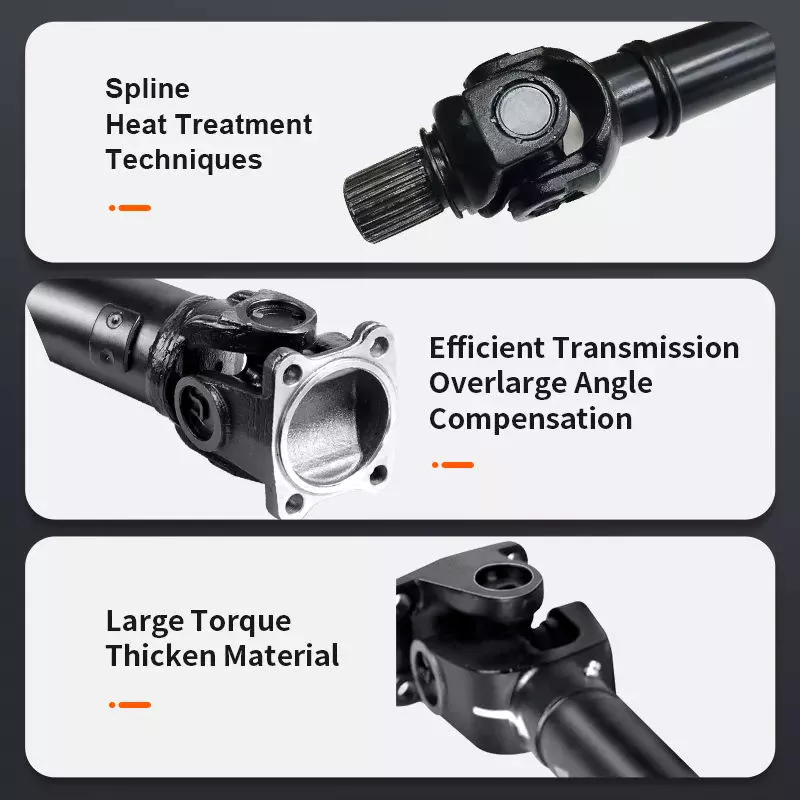
What safety precautions should be followed when working with PTO shafts?
Working with Power Take-Off (PTO) shafts requires strict adherence to safety precautions to prevent accidents and ensure the well-being of individuals operating or working in the vicinity of the equipment. PTO shafts involve rotating machinery and can pose significant hazards if not handled properly. Here are several important safety precautions that should be followed when working with PTO shafts:
1. Familiarize Yourself with the Equipment: Prior to operating or working near a PTO shaft, it is crucial to thoroughly understand the equipment’s operation, including the specific PTO shaft configuration, safety features, and any associated machinery. Read and follow the manufacturer’s instructions and safety guidelines pertaining to the PTO shaft and associated equipment. Training and familiarity with the equipment are essential to ensure safe practices.
2. Tragen Sie geeignete persönliche Schutzausrüstung (PSA): When working with PTO shafts, individuals should wear appropriate personal protective equipment to minimize the risk of injury. This may include safety glasses, hearing protection, gloves, and sturdy footwear. PPE protects against potential hazards such as flying debris, noise, and accidental contact with rotating components.
3. Guarding and Shielding: Ensure that the PTO shaft and associated machinery are equipped with appropriate guarding and shielding. Guarding helps prevent accidental contact with rotating parts, reducing the risk of entanglement or injury. PTO shafts should have guard shields covering the rotating shaft and any exposed universal joints. Machinery driven by the PTO shaft should also have adequate guarding in place to protect against contact with moving parts.
4. Securely Fasten and Align PTO Shaft Components: Before operating or connecting the PTO shaft, ensure that all components are securely fastened and aligned. Loose or misaligned components can lead to shaft dislodgement, imbalance, and potential failure. Follow the manufacturer’s guidelines for proper installation and tightening of couplings, yokes, and other connecting points. Proper alignment is crucial to prevent excessive stress, vibrations, and premature wear on the PTO shaft and associated equipment.
5. Avoid Loose Clothing and Jewelry: Loose clothing, jewelry, or other items that can become entangled in the PTO shaft or associated machinery should be avoided. Secure long hair, tuck in loose clothing, and remove or properly secure any dangling accessories. Loose items can get caught in rotating parts, leading to serious injury or entanglement hazards.
6. Do Not Modify or Remove Safety Features: PTO shafts are equipped with safety features such as guard shields, safety covers, and torque limiters for a reason. These features are designed to protect against potential hazards and should not be modified, bypassed, or removed. Altering or disabling safety features can significantly increase the risk of accidents and injury. If any safety features are damaged or not functioning correctly, they should be repaired or replaced promptly.
7. Shut Down Power Source Before Maintenance: Before performing any maintenance, repairs, or adjustments on the PTO shaft or associated machinery, ensure that the power source is completely shut down and disconnected. This includes turning off the engine, disconnecting power supply, and engaging any safety locks or mechanisms. Lockout/tagout procedures should be followed to prevent accidental energization or startup during maintenance activities.
8. Regular Maintenance and Inspection: Regular maintenance and inspection of the PTO shaft and associated equipment are vital for safe operation. Follow the manufacturer’s recommended maintenance schedule and perform routine inspections to identify any signs of wear, damage, or misalignment. Lubricate universal joints as per the manufacturer’s guidelines to ensure smooth operation. Promptly address any maintenance or repair needs to prevent potential hazards.
9. Training and Communication: Ensure that individuals operating or working near PTO shafts receive proper training on safe work practices, hazard identification, and emergency procedures. Promote clear communication regarding the presence and operation of PTO shafts to prevent accidental contact or interference. Establish effective communication methods, such as signals or radios, when working in teams or near noisy equipment.
10. Be Aware of Surroundings: Maintain situational awareness when working with PTO shafts. Be mindful of the location of bystanders, obstacles, and potential hazards. Ensure a clear and safe work area around the PTO shaft. Avoid distractions and focus on the task at hand to prevent accidents caused by inattention.
By following these safety precautions, individuals can minimize the risk of accidents and injuries when working with PTO shafts. Safety should always be the top priority to ensure a safe and productive work environment.

What benefits do PTO shafts offer for various types of machinery?
PTO shafts (Power Take-Off shafts) offer several benefits for various types of machinery in agricultural and industrial applications. They provide a flexible and efficient means of power transmission, enabling machinery to perform specific tasks and functions. Here’s a detailed explanation of the benefits that PTO shafts offer for different types of machinery:
Versatility: PTO shafts contribute to the versatility of machinery by allowing them to be powered by a common power source, such as a tractor or an engine. This means that a single power source can be used to drive multiple implements or machines by simply connecting and disconnecting the PTO shaft. For example, in agriculture, a tractor equipped with a PTO shaft can power various implements such as mowers, balers, tillers, sprayers, and grain augers. Similarly, in industrial applications, PTO shafts enable the use of a single engine or motor to power different machines or equipment, such as generators, pumps, compressors, and industrial mixers.
Effizienz: PTO shafts offer an efficient method of power transfer from the power source to the machinery. By directly connecting the power source to the driven machine, PTO shafts minimize energy losses that may occur with other power transmission methods. This direct power transfer results in improved overall efficiency and performance of the machinery. Additionally, PTO shafts allow for the adjustment of rotational speed and power output to match the requirements of the specific machinery, ensuring optimal operation and reducing unnecessary energy consumption.
Cost Savings: The use of PTO shafts can lead to cost savings in multiple ways. Firstly, by utilizing a single power source to drive multiple machines or implements, the need for separate engines or motors for each piece of equipment is eliminated, reducing capital costs. Secondly, PTO shafts eliminate the requirement for additional fuel or energy sources, as they tap into the existing power source, resulting in lower fuel or energy expenses. Additionally, the versatility offered by PTO shafts allows for improved equipment utilization, maximizing the return on investment.
Flexibility: PTO shafts provide flexibility in terms of equipment setup and configuration. They can be adjusted in length or equipped with telescopic sections, allowing for easy adaptation to different equipment arrangements and varying distances between the power source and the driven machinery. This flexibility enables operators to quickly connect and disconnect the PTO shafts as needed, facilitating efficient equipment changes and reducing downtime. Moreover, the ability to adjust the rotational speed and power output of the PTO shafts adds further flexibility, accommodating the specific requirements of different machinery and applications.
Ease of Use: PTO shafts are relatively easy to use, making them accessible to operators with minimal training. The process of connecting and disconnecting the PTO shafts is straightforward, often involving a simple coupling or locking mechanism. This ease of use enhances equipment operability, allowing operators to quickly switch between different implements or machines without significant effort or time-consuming procedures. Furthermore, the direct power transfer through PTO shafts simplifies equipment operation, as the machinery can be powered by the existing power source without the need for additional controls or power management systems.
Increased Productivity: PTO shafts contribute to increased productivity in agricultural and industrial operations. By enabling the use of versatile machinery configurations, operators can perform a wide range of tasks using a single power source. This eliminates the need for manual labor or the use of multiple machines, streamlining workflow and reducing the time required to complete various operations. The efficiency and reliability of power transfer through PTO shafts also contribute to improved productivity by ensuring consistent and effective operation of machinery, resulting in enhanced output and reduced downtime.
Safety: While not directly related to machinery performance, PTO shafts also offer safety benefits. The implementation of safety shields or guards on PTO shafts helps prevent accidental contact with the rotating shaft, reducing the risk of injuries to operators. These safety features are designed to cover the rotating shaft and universal joints, ensuring that operators cannot come into contact with them during operation. Proper training on PTO shaft operation and adherence to safety guidelines further enhance operator safety when working with PTO-driven machinery.
In summary, PTO shafts offer a range of benefits for various types of machinery. These benefits include increased versatility, improved efficiency, cost savings, flexibility in equipment configurations, ease of use, increased productivity, and enhanced operator safety. PTO shafts play a crucial role in agricultural and industrial applications by enabling the direct power transfer from a common power source to different machines or implements, resulting in optimized performance and operational effectiveness.


editor by CX 2024-04-19























