
Produktbeschreibung
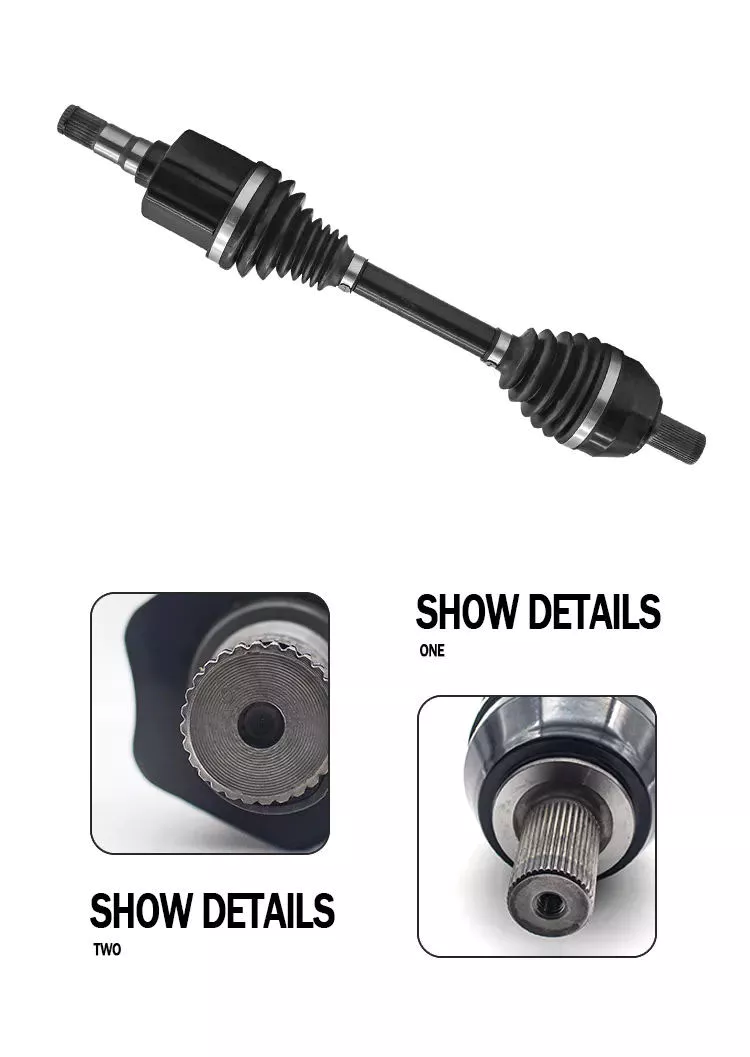
GOOD QUALITY AGRICULTURE MACHINE ACCESSORY PROPRLLER SHAFT TRACTOR PARTS TRANSMISSION SHAFT DRIVE AXLE POWER DRIVE SHAFT PTO SHAFT
Produktbeschreibung
Our rotary PTO SHAFT is a powerful assistant in agricultural production, known for its high efficiency and durability. environment for CZPT cultivation.
Produktmerkmale:
High strength materials: The PTO SHAFT is made of high-strength materials, which have excellent durability and fatigue resistance and can be used for a long time.
Efficient farming: PTO SHAFT Labor-saving and easy to operate: using a rotary tiller for land plowing is easy and labor-saving, easy to operate, and suitable for various terrains.
Easy maintenance: The PTO SHAFT has a simple structure, low maintenance cost, and long service life.
Strong adaptability: Suitable for various types of soil, whether in paddy fields, dry fields, or mountainous areas, it can demonstrate excellent performance.
Usage :
Choose the appropriate model of PTO SHAFT according to the land conditions.
Montieren Sie die Zapfwelle an landwirtschaftlichen Maschinen.
Start agricultural machinery and start plowing the land.
Precautions :
Please read the product manual carefully before use.
Please use this product under safe conditions.
This product is only used for agricultural tillage and cannot be used for other purposes.
Detaillierte Fotos
Produktparameter
GOOD QUALITY AGRICULTURE MACHINE ACCESSORY PROPRLLER SHAFT TRACTOR PARTS TRANSMISSION SHAFT DRIVE AXLE POWER DRIVE SHAFT PTO SHAFT
Verpackung & Versand
Unsere Vorteile
1. High quality steel raw materials, suitable hardness, not easy to break or deform.
2. Automatic temperature control system used on both heating treatment and tempering, to guaratee the products heated evenly, the outside and interior have uniform structure, so as to get longer work life.
3.Precise and high strength moulds get precise shaping during thermo-forming.
4. Special gas used in tempering, to make up the chemical elements which lost during heating treatment, to double the work life than normal technology, proprietary heat treatment technology designed and developed by JIELIKE.
5. The whole product body and shape has been adjusted precisely by mechanics to pass the balance test both in static and moving states.
6. Products use electrostatic painting or brand water-based paint, environment-protective, to get excellent surface and long time rust-protective. And drying process is added for liquid painting to improve the quality of the paint adhesion to blade surface.
7. Automatic shot peening surface treatment, excellent appearance.
8. Provide OEM & ODM Service.
9. Provide customized products.
Kundendienst
We provide comprehensive after-sales service, including product consultation, user guidance, repair and maintenance, etc. If you encounter any problems during use, please feel free to contact us at any time.
/* 22. Januar 2571 19:08:37 */!function(){function s(e,r){var a,o={};try{e&&e.split(“,“).forEach(function(e,t){e&&(a=e.match(/(.*?):(.*)$/))&&1
| Typ: | Shaft |
|---|---|
| Verwendung: | Tillage |
| Material: | Carbon Steel |
| Anpassung: |
Verfügbar
| Kundenspezifische Anfrage |
|---|
.shipping-cost-tm .tm-status-off{background: none;padding:0;color: #1470cc}
|
Versandkosten:
Geschätzte Frachtkosten pro Einheit. |
über Versandkosten und voraussichtliche Lieferzeit. |
|---|
| Zahlungsmethode: |
|
|---|---|
|
Erste Zahlung Vollständige Zahlung |
| Währung: | US$ |
|---|
| Rückgabe & Erstattung: | Sie können bis zu 30 Tage nach Erhalt der Produkte eine Rückerstattung beantragen. |
|---|
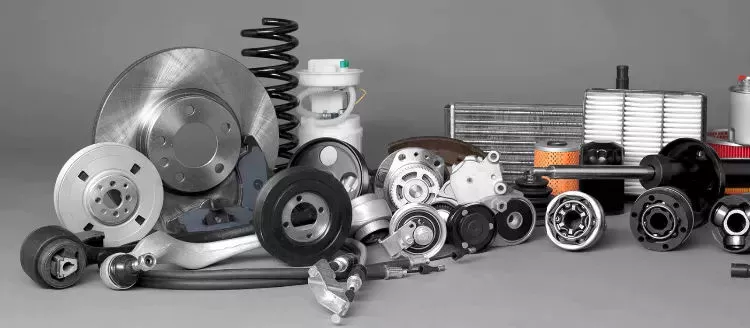
How do PTO drive shafts handle variations in length and connection methods?
PTO (Power Take-Off) drive shafts are designed to handle variations in length and connection methods, allowing them to be adaptable to different equipment setups and applications. These variations are accommodated through the following features and mechanisms:
1. Telescoping Design:
Many PTO drive shafts are designed with a telescoping mechanism, which enables the length of the drive shaft to be adjusted. Telescoping allows for flexibility in matching the distance between the power source (e.g., tractor PTO) and the driven equipment. By extending or retracting the telescoping sections of the drive shaft, operators can achieve the desired length and ensure proper alignment. This feature is particularly useful when connecting equipment that may have varying distances from the power source.
2. Overlapping Tubes:
PTO drive shafts often consist of multiple tubes that overlap when the drive shaft is fully collapsed. These overlapping tubes provide structural stability and allow for the length adjustment of the drive shaft. By extending or retracting the drive shaft, the overlapping tubes slide within each other, accommodating variations in length. The overlapping tube design ensures that the drive shaft maintains its integrity and alignment during operation.
3. Splined Connections:
PTO drive shafts typically feature splined connections, which provide a secure and reliable method of joining the drive shaft components. Splines are ridges or teeth machined onto the drive shaft and mating component, such as the yoke or flange. The splined connections allow for angular misalignment and axial movement while transmitting power smoothly. They can accommodate variations in length by allowing the drive shaft to extend or retract without compromising the torque transfer capabilities.
4. Locking Mechanisms:
To ensure the stability and safety of the PTO drive shaft, locking mechanisms are incorporated into the design. These mechanisms secure the telescoping sections or splined connections in place once the desired length is achieved. Common locking mechanisms include spring-loaded pins, quick-release collars, or locking rings. These mechanisms prevent unintentional movement or separation of the drive shaft components during operation, ensuring a secure connection even under dynamic loads.
5. Universal Joints:
Universal joints are integral components of PTO drive shafts that allow for angular misalignment between the driving and driven shafts. They consist of two yokes connected by a cross-shaped bearing. Universal joints accommodate variations in length and connection angles, allowing the drive shaft to transfer power smoothly and efficiently even when the equipment is not perfectly aligned. The flexibility of universal joints helps compensate for any misalignment caused by changes in length or connection methods.
6. Adapters and Couplings:
In situations where there are differences in connection methods or sizes between the power source and the driven equipment, adapters and couplings can be used. These components bridge the gap between different connection types, allowing the PTO drive shaft to be compatible with a wider range of equipment. Adapters and couplings may include flanges, spline adapters, or quick-detach couplers, depending on the specific connection requirements.
7. Customization Options:
Manufacturers of PTO drive shafts often provide customization options to accommodate specific length and connection requirements. Customers can request drive shafts of different lengths or specify the types of connections needed for their particular equipment. Customization allows for precise tailoring of the PTO drive shafts to match the equipment setup, ensuring optimal performance and compatibility.
In summary, PTO drive shafts handle variations in length and connection methods through telescoping designs, overlapping tubes, splined connections, locking mechanisms, universal joints, adapters, couplings, and customization options. These features and mechanisms provide the necessary flexibility and adjustability to accommodate different equipment setups and ensure efficient power transfer. Whether it’s adjusting the length, adapting to varying connection types, or compensating for misalignment, PTO drive shafts are designed to handle the variations encountered in different applications and industries.
Können Zapfwellenantriebe an spezifische Maschinen und Leistungsanforderungen angepasst werden?
Ja, Zapfwellen (PTO-Antriebswellen) lassen sich an spezifische Maschinen und Leistungsanforderungen anpassen. Hersteller bieten häufig individuelle Anpassungsmöglichkeiten an, um sicherzustellen, dass die Zapfwellen den spezifischen Anforderungen verschiedener Anwendungen gerecht werden. Die Anpassung kann verschiedene Aspekte der Konstruktion und Spezifikationen der Antriebswelle betreffen, darunter:
1. Länge:
Die Länge der Zapfwellenantriebswelle lässt sich individuell an den Abstand zwischen Antriebsquelle und angetriebenem Gerät anpassen. Dies gewährleistet eine optimale Passform und Ausrichtung und verhindert übermäßige Spannung oder Stauchung der Antriebswelle. Die individuelle Längenanpassung ermöglicht eine optimale Kraftübertragung und trägt zur Anpassung an spezifische Maschinenkonfigurationen bei.
2. Verbindungstyp:
Zapfwellenantriebe lassen sich mit verschiedenen Anschlussarten an die spezifischen Anforderungen der jeweiligen Maschine anpassen. Verschiedene Anschlussmethoden stehen zur Verfügung, darunter Keilwellenverbindungen, Flanschverbindungen und Schnellkupplungen. Die Wahl der passenden Anschlussart gewährleistet Kompatibilität und ermöglicht ein einfaches An- und Abkoppeln der Antriebswelle von der Antriebsquelle und dem angetriebenen Gerät.
3. Nennleistung:
Die Anpassung der Nennleistung umfasst die Auswahl geeigneter Komponenten und Materialien, um den spezifischen Leistungsbedarf der Maschine zu decken. Dabei werden Faktoren wie Drehmomentkapazität, Drehzahl und Art der Kraftübertragung (z. B. mechanisch, hydraulisch) berücksichtigt. Durch die Anpassung der Nennleistung können Hersteller sicherstellen, dass die Zapfwelle die benötigte Leistung effektiv überträgt, ohne Kompromisse bei Leistung oder Sicherheit einzugehen.
4. Schutzfunktionen:
Zapfwellenantriebe lassen sich mit zusätzlichen Schutzvorrichtungen ausstatten, um Sicherheit und Langlebigkeit zu erhöhen. Dazu gehören beispielsweise Schutzvorrichtungen, Abdeckungen oder Schutzbleche, die den Kontakt mit der rotierenden Welle und ihren Komponenten verhindern. Individuelle Schutzvorrichtungen tragen dazu bei, das Unfallrisiko zu minimieren und die Lebensdauer der Antriebswelle zu verlängern, indem sie diese vor äußeren Einflüssen, Schmutz und potenziellen Beschädigungen schützen.
5. Materialauswahl:
Die Materialauswahl für Nebenantriebswellen kann an spezifische Anforderungen angepasst werden. Verschiedene Materialien bieten unterschiedliche Festigkeit, Haltbarkeit und Beständigkeit gegenüber Faktoren wie Korrosion oder extremen Temperaturen. Durch die Wahl geeigneter Materialien können Hersteller die Leistung und Zuverlässigkeit der Antriebswelle für den jeweiligen Anwendungszweck optimieren.
6. Umweltaspekte:
Die kundenspezifische Anpassung von Zapfwellenantrieben kann spezifische Umgebungsfaktoren berücksichtigen. Beispielsweise können Hersteller Beschichtungen oder Materialien anbieten, die eine erhöhte Beständigkeit gegen Korrosion oder Chemikalieneinwirkung gewährleisten, wenn die Maschinen in einer korrosiven oder gefährlichen Umgebung eingesetzt werden. Die Berücksichtigung der Umgebungsbedingungen trägt dazu bei, dass die Antriebswelle den Belastungen der Betriebsumgebung standhält.
7. Einhaltung von Standards:
Kundenspezifische Zapfwellenantriebe können gemäß den relevanten Industrienormen und -vorschriften konstruiert und gefertigt werden. Hersteller gewährleisten, dass die kundenspezifischen Antriebswellen die erforderlichen Sicherheits-, Leistungs- und Maßvorgaben erfüllen. Die Einhaltung der Normen sichert Kompatibilität, Zuverlässigkeit und Sicherheit beim Einbau der kundenspezifischen Antriebswellen in spezifische Maschinen.
Durch die Bereitstellung von Individualisierungsoptionen können Hersteller Zapfwellen an die spezifischen Anforderungen verschiedener Maschinen und Leistungsanwendungen anpassen. Diese Flexibilität ermöglicht eine optimale Integration, verbesserte Leistung und erhöhte Sicherheit. Es ist wichtig, sich mit dem Hersteller oder einem qualifizierten Experten abzustimmen, um die passenden Individualisierungsoptionen basierend auf den spezifischen Maschinen- und Leistungsanforderungen zu ermitteln.

Can you explain the components and function of a PTO drive shaft system?
A PTO (Power Take-Off) drive shaft system consists of several components that work together to transfer power from a primary power source, such as a tractor or engine, to various implements or machinery. Each component plays a specific role in ensuring the efficient and reliable transmission of rotational power. Here’s a detailed explanation of the components and their functions within a PTO drive shaft system:
1. Primary Power Source:
The primary power source is typically a tractor or engine equipped with a PTO output shaft. This shaft generates rotational power from the engine’s crankshaft or transmission, acting as the starting point for power transmission.
2. PTO Output Shaft:
The PTO output shaft is a rotating shaft located on the primary power source, specifically designed to transfer power to external devices. It is typically located at the rear of a tractor and may have various spline configurations to accommodate different types of PTO drive shafts.
3. PTO Drive Shaft:
The PTO drive shaft is the main component of the system, responsible for transmitting power from the primary power source to the implement or machinery. It consists of a rotating shaft with splines at both ends. One end connects to the PTO output shaft, while the other end connects to the input shaft of the implement. The drive shaft rotates at the same speed as the primary power source, effectively delivering power to the implement.
4. Splined Connections:
The splined connections on the PTO drive shaft and the PTO output shaft of the primary power source provide a secure and robust connection. These splines ensure proper alignment and torque transmission between the two shafts, enabling efficient power transfer while accommodating varying distances and alignments.
5. Safety Guards and Shields:
PTO drive shaft systems often incorporate safety guards and shields to protect operators from potential hazards associated with rotating components. These guards and shields cover the rotating parts of the drive shaft, reducing the risk of entanglement or contact during operation.
6. Telescoping or Sliding Mechanism:
Some PTO drive shafts feature a telescoping or sliding mechanism. This allows the drive shaft to be adjusted in length, accommodating different distances between the primary power source and the implement. The telescoping or sliding mechanism ensures proper alignment and prevents excessive tension or binding of the drive shaft.
7. Shear Pins or Clutch Mechanism:
To protect the PTO drive shaft and the machinery from excessive loads or sudden shocks, shear pins or a clutch mechanism may be incorporated. These safety features are designed to disconnect the drive shaft from the primary power source in the event of an overload or sudden impact, preventing damage to the drive shaft and associated equipment.
8. Maintenance and Lubrication Points:
PTO drive shaft systems require regular maintenance and lubrication to ensure optimal performance and longevity. Lubrication points are typically provided to allow for the application of grease or oil to reduce friction and wear. Regular inspections and maintenance help identify any issues or wear in the components, ensuring safe and efficient operation.
9. Implement Input Shaft:
The implement input shaft is the counterpart to the PTO drive shaft on the implement or machinery side. It connects to the PTO drive shaft and receives power for driving the specific machinery or performing various tasks. The input shaft is precisely aligned with the drive shaft to ensure efficient power transfer.
In summary, a PTO drive shaft system consists of components such as the primary power source, PTO output shaft, PTO drive shaft, splined connections, safety guards, telescoping or sliding mechanisms, shear pins or clutch mechanisms, maintenance and lubrication points, and the implement input shaft. Together, these components enable the efficient and reliable transfer of rotational power from the primary power source to the implement or machinery, allowing for a wide range of tasks and applications in agricultural and industrial settings.


editor by CX 2024-04-11























