
Produktbeschreibung
CZPT tractor parts PTO Power Transmission Shaft PTO drive shaft
Our Services
Why choosing us?
1.We are manufacturer, we have Well and High Quality Control
2.Prompt Delivery
3.Customer’s Design and Logo are Welcome
4.Competitive Prices directly from factory
5.Small Order Acceptable
6.OEM / ODM Accepted
Pre-sales service After-sales Service
*Inquiry and consulting support * training how to instal the machine
* View factory * training how to use the machine
company information :
SHUNYU company mainly supply Farm tractors, Combine harvesters and related Implements, as well as their spare parts.
Also we offer OEM service for Different brands tractors PTO Driving shafts, Gears, Rotary blades.
If you could not find the products on our website, Welcome to send us drawing or sample, we could custom as your needs.
/* 22. Januar 2571 19:08:37 */!function(){function s(e,r){var a,o={};try{e&&e.split(“,“).forEach(function(e,t){e&&(a=e.match(/(.*?):(.*)$/))&&1
| Typ: | Shaft |
|---|---|
| Verwendung: | Agricultural Products Processing, Harvester |
| Stromquelle: | Diesel |
| Kundendienst: | Online Support |
| Garantie: | 12 Months |
| Transport Package: | Standard Export Packing or as Your Needed |
| Anpassung: |
Verfügbar
| Kundenspezifische Anfrage |
|---|
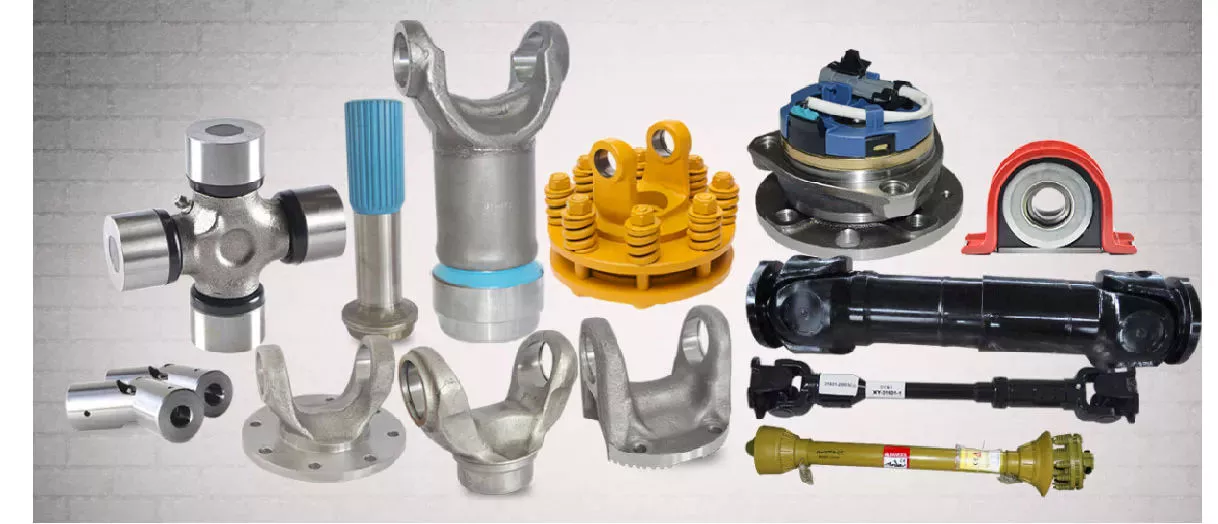
How do PTO drive shafts ensure efficient power transfer while maintaining safety?
PTO (Power Take-Off) drive shafts are designed to ensure efficient power transfer while prioritizing safety. These drive shafts incorporate various mechanisms and features to achieve both objectives. Here’s a detailed explanation of how PTO drive shafts ensure efficient power transfer while maintaining safety:
1. Robust Construction:
PTO drive shafts are typically constructed using high-quality materials such as steel or composite materials that offer strength and durability. The robust construction allows them to withstand the torque and power demands of the application, ensuring efficient power transfer without excessive flexing or deformation that could result in energy loss or premature failure.
2. Precise Alignment:
Efficient power transfer requires precise alignment between the PTO drive shaft, the primary power source (e.g., engine, transmission), and the implement or equipment being driven. Misalignment can lead to power loss, increased wear, and potential safety hazards. PTO drive shafts are designed with adjustable lengths or flexible couplings to accommodate variations in equipment size and ensure proper alignment, maximizing power transmission efficiency.
3. Connection Safety Features:
PTO drive shafts incorporate safety features to prevent accidents and minimize the risk of injury. One common safety feature is the use of shear pins or torque limiters. These components are designed to break or slip under excessive torque, protecting the drive shaft and connected equipment from damage. By sacrificing the shear pin, the PTO drive shaft disengages in case of overload, ensuring the safety of operators and preventing costly repairs.
4. Overload Protection:
Overload protection mechanisms are crucial for maintaining safety and preventing damage to the PTO drive shaft and associated equipment. Clutch systems or slip clutches can be employed to disengage the drive shaft when excessive torque or speed is encountered. These mechanisms allow the drive shaft to slip or disengage momentarily, preventing damage and reducing the risk of injury to operators or bystanders.
5. Shielding and Guarding:
PTO drive shafts are often equipped with shielding and guarding to prevent contact with moving parts. These protective covers ensure that operators and bystanders are shielded from rotating shafts, universal joints, and other potentially hazardous components. Proper shielding and guarding reduce the risk of entanglement, entrapment, or accidental contact, enhancing overall safety.
6. Einhaltung der Sicherheitsstandards:
PTO drive shafts are designed and manufactured to comply with relevant safety standards and regulations. These standards, such as ISO 500-1, specify requirements for power transmission components, including PTO drive shafts. Compliance with these standards ensures that the drive shafts meet necessary safety criteria and undergo rigorous testing to ensure their reliability and performance.
7. Regular Maintenance and Inspection:
Maintaining the safety and efficiency of PTO drive shafts requires regular maintenance and inspection. Operators should follow recommended maintenance schedules, including lubrication, inspection of components, and replacement of worn or damaged parts. Regular inspections help identify potential safety issues, such as worn bearings, damaged shielding, or compromised safety features, allowing for timely repairs or replacements.
8. Operator Training and Awareness:
Efficient power transfer and safety also depend on operator training and awareness. Operators should receive proper training on the safe operation and maintenance of PTO drive shafts. This includes understanding safety procedures, recognizing potential hazards, and being aware of the risks associated with improper use or maintenance. Promoting a culture of safety and providing ongoing training helps ensure that PTO drive shafts are used correctly and that potential risks are minimized.
By incorporating robust construction, precise alignment, connection safety features, overload protection, shielding and guarding, compliance with safety standards, regular maintenance and inspection, and operator training and awareness, PTO drive shafts can achieve efficient power transfer while maintaining a high level of safety. These measures help prevent accidents, protect equipment and operators, and ensure reliable and effective power transmission in various applications.

Wie verbessern Zapfwellen die Leistung von Traktoren und Landmaschinen?
Zapfwellen (PTO) spielen eine entscheidende Rolle für die Leistungsfähigkeit von Traktoren und Landmaschinen. Sie gewährleisten eine zuverlässige und effiziente Kraftübertragung, ermöglichen vielfältige Funktionen und steigern die Gesamtproduktivität. So verbessern Zapfwellen die Leistung von Traktoren und Landmaschinen:
1. Vielseitigkeit und Kompatibilität:
Zapfwellen sind vielseitig einsetzbar und mit einer breiten Palette landwirtschaftlicher Geräte und Maschinen kompatibel. Sie sind in standardisierten Größen und Ausführungen erhältlich und ermöglichen so ein einfaches An- und Abkoppeln der Anbaugeräte. Dank dieser Kompatibilität können Landwirte und Maschinenführer schnell zwischen verschiedenen Anbaugeräten wie Pflügen, Mähwerken, Ballenpressen und Sämaschinen wechseln, ohne dass umfangreiche Änderungen oder Modifikationen an der Ausrüstung erforderlich sind. Die Vielseitigkeit der Zapfwellen erhöht die Flexibilität und Effizienz landwirtschaftlicher Maschinen und ermöglicht ihnen die problemlose Ausführung mehrerer Aufgaben.
2. Energieübertragung:
Eine der Hauptfunktionen von Zapfwellen ist die Kraftübertragung vom Traktormotor auf verschiedene landwirtschaftliche Anbaugeräte. Sie übertragen die Rotationskraft mit konstanter Drehzahl und ermöglichen so den effizienten Betrieb der Anbaugeräte. Diese direkte Kraftübertragung macht separate Motoren für jedes Anbaugerät überflüssig und spart dadurch Zeit und Ressourcen. Zapfwellen bieten eine zuverlässige und effiziente Kraftübertragung und gewährleisten so die optimale Leistung landwirtschaftlicher Maschinen.
3. Gesteigerte Produktivität:
Durch den Anschluss verschiedener Anbaugeräte tragen Zapfwellen wesentlich zur Produktivitätssteigerung bei. Traktoren mit Zapfwellen können schnell zwischen verschiedenen Arbeitsgängen wie Pflügen, Säen und Ernten wechseln, ohne dass lange Stillstandszeiten oder Gerätewechsel erforderlich sind. So können Landwirte ihre Maschinen optimal nutzen und Aufgaben termingerecht erledigen. Die Möglichkeit, Anbaugeräte einfach über Zapfwellen anzuschließen und abzukoppeln, steigert die Gesamtproduktivität in der Landwirtschaft.
4. Zeiteffizienz:
Zapfwellenantriebe spielen eine entscheidende Rolle bei der Zeitersparnis in der Landwirtschaft. Sie machen manuelle oder tiergestützte Arbeit überflüssig und ermöglichen so schnellere und effizientere Arbeitsabläufe. Mit Zapfwellenantrieben können Landmaschinen Aufgaben wie Pflügen, Fräsen und Mähen gleichmäßig und effizient erledigen. Diese Zeitersparnis steigert die Gesamtproduktivität des Betriebs und ermöglicht es den Landwirten, größere Flächen in kürzerer Zeit zu bearbeiten.
5. Präzise Leistungssteuerung:
Zapfwellenantriebe ermöglichen eine präzise Leistungssteuerung und erlauben es dem Bediener, die Drehzahl der Anbaugeräte an die jeweiligen Arbeitsanforderungen anzupassen. Diese Steuerung ist besonders wertvoll bei Aufgaben wie Mähen oder Spritzen, da unterschiedliche Vegetations- oder Pflanzenarten spezifische Leistungseinstellungen erfordern. Mit Zapfwellenantrieben können Bediener die Leistungsabgabe feinabstimmen, um optimale Ergebnisse zu erzielen und so einen effizienten und effektiven Betrieb der Landmaschinen zu gewährleisten.
6. Reduzierte Ermüdung des Bedieners:
Der Einsatz von Zapfwellenantrieben reduziert die körperliche Belastung der Bediener. Anstatt manuelle Kraft oder Tierkraft zum Betrieb von Anbaugeräten zu benötigen, können die Bediener die über die Zapfwelle übertragene Kraft nutzen. Dies verringert die Ermüdung und ermöglicht es den Bedienern, länger ohne übermäßige Erschöpfung zu arbeiten. Die geringere Ermüdung der Bediener trägt zu einer höheren Produktivität und Gesamtleistung bei landwirtschaftlichen Arbeiten bei.
7. Integration mit moderner Technologie:
Zapfwellenantriebe lassen sich in moderne Traktortechnik und Steuerungssysteme integrieren. Diese Integration ermöglicht die komfortable und präzise Steuerung des Zapfwellenein- und -ausschaltvorgangs, der Drehzahl und weiterer Parameter. Traktoren mit Zapfwellenantrieb können mit GPS-Lenksystemen, Präzisionslandwirtschaftstechnologien und Datenmanagementsystemen kombiniert werden, wodurch Leistung und Effizienz in der Landwirtschaft weiter gesteigert werden.
8. Wartungsfreundlichkeit:
Zapfwellenantriebe sind in der Regel wartungsfreundlich konstruiert. Sie verfügen oft über leicht zugängliche Schmierstellen, Inspektionsöffnungen und austauschbare Komponenten, was die Instandhaltung erleichtert. Regelmäßige Wartung gewährleistet optimale Leistung, reduziert das Risiko unerwarteter Ausfälle und maximiert die Effizienz von Traktoren und Landmaschinen.
Zusammenfassend lässt sich sagen, dass Zapfwellen die Leistung von Traktoren und Landmaschinen durch ihre Vielseitigkeit, die Kraftübertragung, die Steigerung der Produktivität, die Zeitersparnis, die präzise Leistungssteuerung, die Reduzierung der Fahrerermüdung, die Integration mit moderner Technologie und die erleichterte Wartung verbessern. Dank der Möglichkeiten von Zapfwellen können Landwirte und Maschinenführer ihre Maschinen effizient und effektiv betreiben, was letztendlich zu einer höheren Produktivität und Rentabilität in der Landwirtschaft führt.

How do PTO drive shafts contribute to transferring power from tractors to implements?
PTO (Power Take-Off) drive shafts play a crucial role in transferring power from tractors to implements in agricultural and industrial applications. They provide a mechanical connection that enables the efficient and reliable transfer of rotational power from the tractor’s engine to various implements. Here’s a detailed explanation of how PTO drive shafts contribute to transferring power:
1. Power Source:
A tractor serves as the primary power source in agricultural operations. The engine of the tractor generates rotational power, which needs to be transmitted to the attached implements to perform specific tasks. The power generated by the engine is harnessed and transferred through the PTO drive shaft.
2. PTO Output Shaft:
Tractors are equipped with a PTO output shaft, typically located at the rear of the tractor. The PTO output shaft is specifically designed to transfer power to external devices, such as implements or machinery. The PTO drive shaft connects directly to this output shaft to receive power.
3. PTO Drive Shaft Configuration:
The PTO drive shaft consists of a rotating shaft with splines at both ends. These splines provide a secure and robust connection to the PTO output shaft of the tractor and the input shaft of the implement. The drive shaft is designed to transmit rotational power while accommodating the varying distance and alignment between the tractor and the implement.
4. Attachments and Implement Input Shaft:
The other end of the PTO drive shaft connects to the input shaft of the implement. The implement may have a specific attachment point or a PTO driveline connection designed to receive the drive shaft. The implement’s input shaft is precisely aligned with the drive shaft to ensure efficient power transfer.
5. Mechanical Power Transfer:
Once the PTO drive shaft is properly connected to both the tractor’s PTO output shaft and the implement’s input shaft, it serves as a mechanical link between the two. As the tractor’s engine runs, the rotational power generated by the engine is transferred through the PTO output shaft and into the drive shaft.
6. Rotational Power Delivery:
The PTO drive shaft rotates at the same speed as the tractor’s engine, effectively delivering the rotational power to the implement. The implement utilizes this power to drive its specific machinery or perform various tasks, such as cutting, tilling, mowing, or pumping.
7. Power Transmission Efficiency:
PTO drive shafts are designed to maximize power transmission efficiency. They are typically constructed using high-strength materials and precision engineering to minimize energy losses and ensure a reliable transfer of power. Proper maintenance, including lubrication and periodic inspections, is essential to maintain optimal power transmission efficiency.
8. Safety Considerations:
PTO drive shafts can pose safety risks if not used correctly. It is important to follow safety guidelines and ensure that the drive shaft is properly guarded to prevent contact with rotating components. Operators should also exercise caution during attachment and detachment procedures to avoid accidents or injuries.
In summary, PTO drive shafts serve as the vital link between tractors and implements, facilitating the transfer of rotational power. They provide a mechanical connection that efficiently transmits power from the tractor’s engine to the implement, enabling a wide range of agricultural and industrial tasks to be performed effectively and efficiently.


editor by CX 2024-04-04























