
Produktbeschreibung
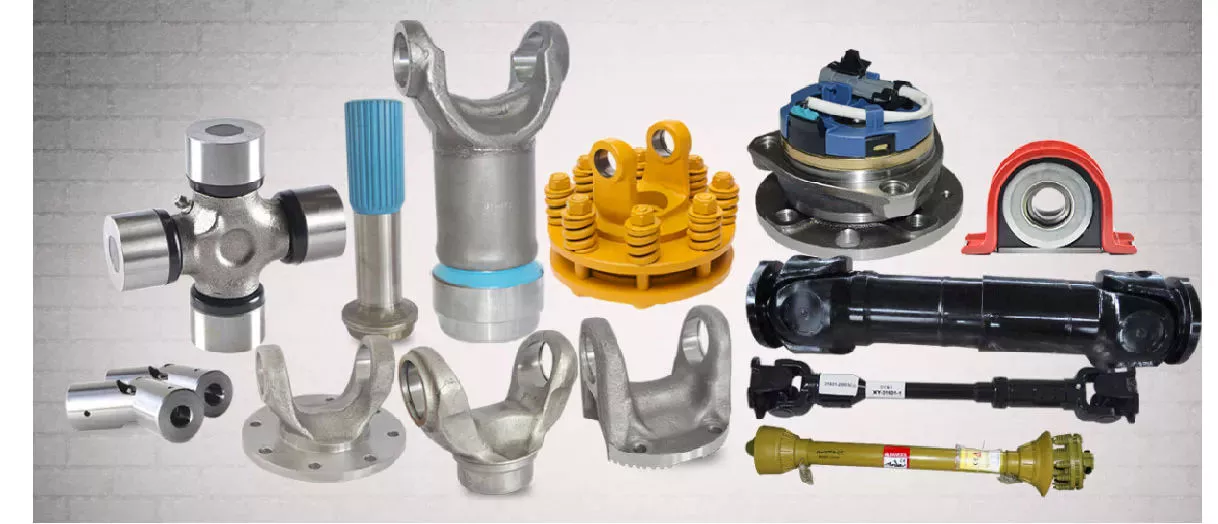
Our company produce more difference Russian car drive shafts and compoents, including to GAZ, MTZ, KAMAZ, UAZ, LADA, please contact us if you need anything.
/* 22. Januar 2571 19:08:37 */!function(){function s(e,r){var a,o={};try{e&&e.split(“,“).forEach(function(e,t){e&&(a=e.match(/(.*?):(.*)$/))&&1
| Zustand: | Neu |
|---|---|
| Zertifizierung: | ISO |
| Typ: | Kardangelenk |
| Material: | Alloy |
| Automatic: | Automatic |
| Transport Package: | Export Packing |
| Proben: |
US$ 1/Piece
1 Stück (Mindestbestellmenge) | |
|---|
| Anpassung: |
Verfügbar
| Kundenspezifische Anfrage |
|---|
What factors should be considered when selecting the right drive shaft for an application?
When selecting the right drive shaft for an application, several factors need to be considered. The choice of drive shaft plays a crucial role in ensuring efficient and reliable power transmission. Here are the key factors to consider:
1. Leistungs- und Drehmomentanforderungen:
The power and torque requirements of the application are essential considerations. It is crucial to determine the maximum torque that the drive shaft will need to transmit without failure or excessive deflection. This includes evaluating the power output of the engine or power source, as well as the torque demands of the driven components. Selecting a drive shaft with the appropriate diameter, material strength, and design is essential to ensure it can handle the expected torque levels without compromising performance or safety.
2. Operating Speed:
The operating speed of the drive shaft is another critical factor. The rotational speed affects the dynamic behavior of the drive shaft, including the potential for vibration, resonance, and critical speed limitations. It is important to choose a drive shaft that can operate within the desired speed range without encountering excessive vibrations or compromising the structural integrity. Factors such as the material properties, balance, and critical speed analysis should be considered to ensure the drive shaft can handle the required operating speed effectively.
3. Length and Alignment:
The length and alignment requirements of the application must be considered when selecting a drive shaft. The distance between the engine or power source and the driven components determines the required length of the drive shaft. In situations where there are significant variations in length or operating angles, telescopic drive shafts or multiple drive shafts with appropriate couplings or universal joints may be necessary. Proper alignment of the drive shaft is crucial to minimize vibrations, reduce wear and tear, and ensure efficient power transmission.
4. Space Limitations:
The available space within the application is an important factor to consider. The drive shaft must fit within the allocated space without interfering with other components or structures. It is essential to consider the overall dimensions of the drive shaft, including length, diameter, and any additional components such as joints or couplings. In some cases, custom or compact drive shaft designs may be required to accommodate space limitations while maintaining adequate power transmission capabilities.
5. Environmental Conditions:
The environmental conditions in which the drive shaft will operate should be evaluated. Factors such as temperature, humidity, corrosive agents, and exposure to contaminants can impact the performance and lifespan of the drive shaft. It is important to select materials and coatings that can withstand the specific environmental conditions to prevent corrosion, degradation, or premature failure of the drive shaft. Special considerations may be necessary for applications exposed to extreme temperatures, water, chemicals, or abrasive substances.
6. Application Type and Industry:
The specific application type and industry requirements play a significant role in drive shaft selection. Different industries, such as automotive, aerospace, industrial machinery, agriculture, or marine, have unique demands that need to be addressed. Understanding the specific needs and operating conditions of the application is crucial in determining the appropriate drive shaft design, materials, and performance characteristics. Compliance with industry standards and regulations may also be a consideration in certain applications.
7. Wartung und Instandhaltung:
The ease of maintenance and serviceability should be taken into account. Some drive shaft designs may require periodic inspection, lubrication, or replacement of components. Considering the accessibility of the drive shaft and associated maintenance requirements can help minimize downtime and ensure long-term reliability. Easy disassembly and reassembly of the drive shaft can also be beneficial for repair or component replacement.
By carefully considering these factors, one can select the right drive shaft for an application that meets the power transmission needs, operating conditions, and durability requirements, ultimately ensuring optimal performance and reliability.

What safety precautions should be followed when working with drive shafts?
Working with drive shafts requires adherence to specific safety precautions to prevent accidents, injuries, and damage to equipment. Drive shafts are critical components of a vehicle or machinery’s driveline system and can pose hazards if not handled properly. Here’s a detailed explanation of the safety precautions that should be followed when working with drive shafts:
1. Personal Protective Equipment (PPE):
Always wear appropriate personal protective equipment when working with drive shafts. This may include safety goggles, gloves, steel-toed boots, and protective clothing. PPE helps protect against potential injuries from flying debris, sharp edges, or accidental contact with moving parts.
2. Lockout/Tagout Procedures:
Before working on a drive shaft, ensure that the power source is properly locked out and tagged out. This involves isolating the power supply, such as shutting off the engine or disconnecting the electrical power, and securing it with a lockout/tagout device. This prevents accidental engagement of the drive shaft while maintenance or repair work is being performed.
3. Vehicle or Equipment Support:
When working with drive shafts in vehicles or equipment, use proper support mechanisms to prevent unexpected movement. Securely block the vehicle’s wheels or utilize support stands to prevent the vehicle from rolling or shifting during drive shaft removal or installation. This helps maintain stability and reduces the risk of accidents.
4. Proper Lifting Techniques:
When handling heavy drive shafts, use proper lifting techniques to prevent strain or injuries. Lift with the help of a suitable lifting device, such as a hoist or jack, and ensure that the load is evenly distributed and securely attached. Avoid lifting heavy drive shafts manually or with improper lifting equipment, as this can lead to accidents and injuries.
5. Inspection and Maintenance:
Prior to working on a drive shaft, thoroughly inspect it for any signs of damage, wear, or misalignment. If any abnormalities are detected, consult a qualified technician or engineer before proceeding. Regular maintenance is also essential to ensure the drive shaft is in good working condition. Follow the manufacturer’s recommended maintenance schedule and procedures to minimize the risk of failures or malfunctions.
6. Proper Tools and Equipment:
Use appropriate tools and equipment specifically designed for working with drive shafts. Improper tools or makeshift solutions can lead to accidents or damage to the drive shaft. Ensure that tools are in good condition, properly sized, and suitable for the task at hand. Follow the manufacturer’s instructions and guidelines when using specialized tools or equipment.
7. Controlled Release of Stored Energy:
Some drive shafts, particularly those with torsional dampers or other energy-storing components, can store energy even when the power source is disconnected. Exercise caution when working on such drive shafts and ensure that the stored energy is safely released before disassembly or removal.
8. Training and Expertise:
Work on drive shafts should only be performed by individuals with the necessary training, knowledge, and expertise. If you are not familiar with drive shafts or lack the required skills, seek assistance from qualified technicians or professionals. Improper handling or installation of drive shafts can lead to accidents, damage, or compromised performance.
9. Follow Manufacturer’s Guidelines:
Always follow the manufacturer’s guidelines, instructions, and warnings specific to the drive shaft you are working with. These guidelines provide important information regarding installation, maintenance, and safety considerations. Deviating from the manufacturer’s recommendations may result in unsafe conditions or void warranty coverage.
10. Disposal of Old or Damaged Drive Shafts:
Dispose of old or damaged drive shafts in accordance with local regulations and environmental guidelines. Improper disposal can have negative environmental impacts and may violate legal requirements. Consult with local waste management authorities or recycling centers to ensure appropriate disposal methods are followed.
By following these safety precautions, individuals can minimize the risks associated with working with drive shafts and promote a safe working environment. It is crucial to prioritize personal safety, use proper equipment and techniques, and seek professional help when needed to ensure the proper handling and maintenance of drive shafts.
Was ist eine Antriebswelle und wie funktioniert sie in Fahrzeugen und Maschinen?
Eine Antriebswelle, auch Kardanwelle oder Antriebswelle genannt, ist ein mechanisches Bauteil, das eine entscheidende Rolle bei der Übertragung der Drehbewegung vom Motor auf die Räder oder andere angetriebene Komponenten in Fahrzeugen und Maschinen spielt. Sie wird häufig in verschiedenen Fahrzeugtypen eingesetzt, darunter Pkw, Lkw, Motorräder sowie Land- und Industriemaschinen. Hier finden Sie eine detaillierte Erklärung, was eine Antriebswelle ist und wie sie funktioniert:
1. Definition und Konstruktion: Eine Antriebswelle ist ein zylindrisches Metallrohr, das den Motor bzw. die Antriebsquelle mit den Rädern oder angetriebenen Bauteilen verbindet. Sie besteht üblicherweise aus Stahl oder Aluminium und setzt sich aus einem oder mehreren Rohrsegmenten mit Kreuzgelenken an jedem Ende zusammen. Diese Kreuzgelenke ermöglichen Winkelbewegungen und gleichen Fluchtungsfehler zwischen Motor/Getriebe und den angetriebenen Rädern bzw. Bauteilen aus.
2. Kraftübertragung: Die Hauptfunktion einer Antriebswelle besteht darin, die Drehbewegung des Motors oder der Energiequelle auf die Räder oder angetriebenen Bauteile zu übertragen. In Fahrzeugen verbindet die Antriebswelle die Abtriebswelle des Getriebes mit dem Differential, welches die Kraft dann auf die Räder überträgt. In Maschinen überträgt die Antriebswelle die Kraft des Motors auf verschiedene angetriebene Bauteile wie Pumpen, Generatoren oder andere mechanische Systeme.
3. Drehmoment und Drehzahl: Die Antriebswelle überträgt sowohl Drehmoment als auch Drehzahl. Das Drehmoment ist die vom Motor oder der Energiequelle erzeugte Drehkraft, die Drehzahl die Anzahl der Umdrehungen pro Minute (U/min). Die Antriebswelle muss das erforderliche Drehmoment ohne übermäßige Verdrehung oder Biegung übertragen und die gewünschte Drehzahl für den effizienten Betrieb der angetriebenen Komponenten aufrechterhalten können.
4. Flexible Kupplung: Die Kreuzgelenke an der Antriebswelle bilden eine flexible Verbindung, die Winkelbewegungen und den Ausgleich von Fluchtungsfehlern zwischen Motor/Getriebe und den angetriebenen Rädern oder Bauteilen ermöglicht. Bei Bewegungen des Fahrwerks oder auf unebenem Gelände passt die Antriebswelle ihre Länge und ihren Winkel an, um diese Bewegungen auszugleichen. Dies gewährleistet eine gleichmäßige Kraftübertragung und verhindert Schäden an den Antriebskomponenten.
5. Länge und Balance: Die Länge der Antriebswelle wird durch den Abstand zwischen Motor bzw. Antriebsquelle und den angetriebenen Rädern oder Bauteilen bestimmt. Sie muss entsprechend dimensioniert sein, um eine optimale Kraftübertragung zu gewährleisten und übermäßige Vibrationen oder Verformungen zu vermeiden. Darüber hinaus wird die Antriebswelle sorgfältig ausgewuchtet, um Vibrationen und Rotationsunwuchten zu minimieren, die zu Unbehagen führen, die Effizienz mindern und vorzeitigen Verschleiß der Antriebskomponenten verursachen können.
6. Sicherheitsaspekte: Antriebswellen in Fahrzeugen und Maschinen erfordern geeignete Sicherheitsvorkehrungen. In Fahrzeugen sind Antriebswellen häufig in einem Schutzrohr oder Gehäuse eingeschlossen, um den Kontakt mit beweglichen Teilen zu verhindern und das Verletzungsrisiko bei einer Fehlfunktion oder einem Ausfall zu verringern. Zusätzlich werden in Maschinen üblicherweise Schutzabdeckungen oder Schutzvorrichtungen um freiliegende Antriebswellen angebracht, um die Bediener vor potenziellen Gefahren durch rotierende Bauteile zu schützen.
7. Wartung und Inspektion: Regelmäßige Wartung und Inspektion von Antriebswellen sind unerlässlich für deren einwandfreie Funktion und lange Lebensdauer. Dazu gehört die Überprüfung der Kreuzgelenke auf Verschleiß, Beschädigungen oder übermäßiges Spiel, die Inspektion der Antriebswelle auf Risse oder Verformungen sowie die Schmierung der Kreuzgelenke gemäß Herstellervorgaben. Eine ordnungsgemäße Wartung beugt Ausfällen vor, gewährleistet optimale Leistung und verlängert die Lebensdauer der Antriebswelle.
Zusammenfassend lässt sich sagen, dass eine Antriebswelle ein mechanisches Bauteil ist, das die Drehbewegung vom Motor oder der Antriebsquelle auf die Räder oder angetriebenen Komponenten von Fahrzeugen und Maschinen überträgt. Sie stellt eine starre Verbindung zwischen Motor/Getriebe und den angetriebenen Rädern oder Komponenten her und ermöglicht gleichzeitig Winkelbewegungen und den Ausgleich von Fluchtungsfehlern durch Kreuzgelenke. Die Antriebswelle spielt eine entscheidende Rolle bei der Kraftübertragung, der Drehmoment- und Drehzahlübertragung, der flexiblen Kupplung, der Einhaltung von Längen- und Auswuchtvorgaben sowie der Gewährleistung von Sicherheit und Wartung. Ihre einwandfreie Funktion ist unerlässlich für den reibungslosen und effizienten Betrieb von Fahrzeugen und Maschinen.


editor by CX 2024-03-26























