
Produktbeskrivelse
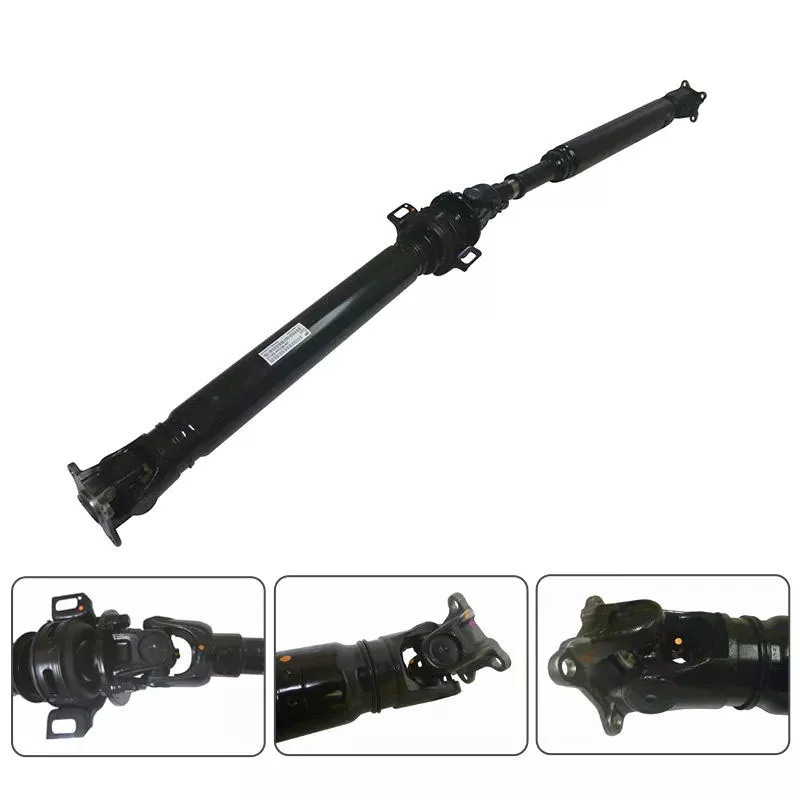
High durable universal pto drive shaft For Agricultural Implement
1. Rør eller rør
Vi har allerede trekantede profilrør og citronprofilrør til alle de serier, vi tilbyder.
Og vi har nogle stjernerør, notrør og andre profilrør, som vores kunder har brug for (til en bestemt serie). (Bemærk venligst, at vores katalog ikke indeholder alle de varer, vi producerer)
Hvis du ønsker andre rør end trekantede eller citrongule, bedes du fremvise tegninger eller billeder.
2. Endeåg
Vi har flere typer hurtigudløsergafler og glidegafler. Jeg vil foreslå den sædvanlige type til din reference.
Du kan også sende tegninger eller billeder til os, hvis du ikke kan finde din vare i vores katalog.
3. Sikkerhedsanordninger eller koblinger
Jeg vedhæfter oplysninger om sikkerhedsanordninger til din reference. Vi har allerede friløb (RA), skraldemomentbegrænser (SA), springboltmomentbegrænser (SB), 3 typer friktionsmomentbegrænsere (FF, FFS, FCS) og friløbskoblinger (adaptere) (FAS).
4. Hvis du har andre særlige krav til plastikskærm, tilslutningsmetode, malingsfarve, emballage osv., er du velkommen til at give mig besked.
Funktioner:
1. Vi har specialiseret os i design og fremstilling af drivaksler, styrekoblingsaksler og universalkoblinger, som vi har eksporteret til USA, Europa, Australien osv. i årevis.
2. Anvendelse på alle former for generelle mekaniske situationer
3. Vores produkter er af høj intensitet og stivhed.
4. Varmebestandig og syrebestandig
5. OEM-ordrer er velkomne
Vores fabrik er en førende producent af PTO-akselgafler og universalkoblinger.
Vi fremstiller PTO-gafler af høj kvalitet til forskellige køretøjer, entreprenørmaskiner og udstyr. Alle produkter er konstrueret med roterende lighter.
Vi eksporterer i øjeblikket vores produkter over hele verden, især til Nordamerika, Sydamerika, Europa og Rusland. Hvis du er interesseret i en vare, er du velkommen til at kontakte os. Vi ser frem til at blive din leverandør i den nærmeste fremtid.
| Type: | Gaffel |
|---|---|
| Anvendelse: | Forarbejdning af landbrugsprodukter, landbrugsinfrastruktur, jordbearbejdning, høst, plantning og gødskning, korntærskning, rengøring og tørring |
| Materiale: | Kulstofstål |
| Strømkilde: | Pto-akselrør |
| Transportpakke: | Standard søværdig pakke |
| Specifikation: | ISO |
| Tilpasning: |
Tilgængelig
| Tilpasset anmodning |
|---|

Er der nogen begrænsninger eller ulemper forbundet med PTO-drivakselsystemer?
Selvom PTO (Power Take-Off) drivakselsystemer tilbyder adskillige fordele, er der også nogle begrænsninger og ulemper forbundet med deres anvendelse. Det er vigtigt at overveje disse faktorer, når man beslutter, om man skal implementere et PTO-drivakselsystem. Begrænsningerne og ulemperne omfatter:
1. Sikkerhedsrisici:
Kraftoverføringsakselsystemer kan udgøre en sikkerhedsrisiko, hvis de ikke anvendes og vedligeholdes korrekt. Den roterende drivaksel, synlige splines og universalled kan udgøre en fare for førere og tilskuere, hvis de kommer i kontakt med dem under drift. Hvis tøj, hår eller kropsdele sættes fast i de roterende komponenter, kan det resultere i alvorlige kvæstelser. Det er afgørende at følge sikkerhedsretningslinjerne, bruge passende afskærmning og implementere sikkerhedsanordninger for at mindske disse risici.
2. Vedligeholdelse og smøring:
Kraftoverføringsakselsystemer kræver regelmæssig vedligeholdelse og smøring for at sikre optimal ydeevne og levetid. Led, splines og lejer skal inspiceres, rengøres og smøres som anbefalet af producenten. Manglende rutinemæssig vedligeholdelse kan føre til for tidligt slid, øget friktion og i sidste ende komponentfejl, hvilket resulterer i uventet nedetid og dyre reparationer.
3. Forskydning og vibrationer:
PTO-drivakselsystemer kan opleve fejljustering og vibrationer, især når det drevne udstyr ikke er perfekt justeret i forhold til strømkilden. Forkert justering lægger yderligere belastning på drivakslen og dens komponenter, hvilket fører til øget slid og reduceret effektivitet. Vibrationer genereret under drift kan også bidrage til træthed og accelereret slid på drivakslen og tilsluttet udstyr.
4. Begrænsede driftsvinkler:
Kraftudtagssystemer har typisk begrænsede driftsvinkler på grund af designbegrænsninger for universalkoblinger. Overskridelse af de anbefalede driftsvinkler kan forårsage fastklemning, øget slid og reduceret kraftoverførselseffektivitet. Denne begrænsning kan begrænse bevægelsesområdet eller fleksibiliteten ved tilslutning af kraftudtagsdrevet udstyr, hvilket kræver omhyggelig planlægning og justering under installationen.
5. Støj og vibrationer:
Kraftoverføringssystemer kan generere støj og vibrationer under drift. De roterende komponenter, især ved høje hastigheder, kan skabe hørbar støj og vibrationer, der kan overføres til føreren, udstyret og det omgivende miljø. Overdreven støj og vibrationer kan have en negativ indvirkning på førerens komfort og udstyrets ydeevne og kan kræve yderligere foranstaltninger for at afbøde deres virkninger.
6. Begrænset kraftoverføringskapacitet:
Kraftoverføringssystemer med PTO-aksel har begrænsninger med hensyn til kraftoverføringskapacitet. Det drejningsmoment og den effekt, der kan overføres gennem drivakslen, afhænger af dens design, materialestyrke og de valgte komponenter. I applikationer, der kræver højt drejningsmoment eller effekt, kan alternative kraftoverføringsmetoder såsom hydrauliske systemer eller direkte mekaniske drev være mere egnede og i stand til at håndtere de nødvendige belastninger.
7. Kompatibilitetsudfordringer:
Det kan nogle gange være udfordrende at sikre kompatibilitet mellem PTO-drivaksler og forskelligt udstyr. Udstyr kan have unikke tilslutningskrav, såsom ikke-standardiserede splines eller flanger, som kan kræve brugerdefinerede adaptere eller modifikationer. At opnå kompatibilitet med ældre eller specialiseret udstyr kan kræve en ekstra indsats og er ikke altid ligetil.
8. Omkostninger:
Implementering af et PTO-drivakselsystem kan involvere betydelige startomkostninger, herunder køb af drivakslen, kompatibelt udstyr og eventuelle nødvendige adaptere eller koblinger. Derudover kan løbende vedligeholdelse, smøring og potentielle reparationer bidrage til de samlede ejeromkostninger. Det er vigtigt at overveje cost-benefit-forholdet og de specifikke behov i applikationen, før man investerer i et PTO-drivakselsystem.
Trods disse begrænsninger og ulemper er PTO-drivakselsystemer fortsat meget udbredt på grund af deres alsidighed, brugervenlighed og kompatibilitet med en bred vifte af udstyr. Ved at imødekomme sikkerhedsproblemer, udføre regelmæssig vedligeholdelse og tage hensyn til de specifikke krav til applikationen kan mange af disse begrænsninger afbødes, hvilket muliggør pålidelig og effektiv drift.
How do PTO drive shafts enhance the performance of tractors and agricultural machinery?
PTO (Power Take-Off) drive shafts play a critical role in enhancing the performance of tractors and agricultural machinery. They provide a reliable and efficient power transmission mechanism, enabling various functions and improving overall productivity. Here’s how PTO drive shafts enhance the performance of tractors and agricultural machinery:
1. Versatility and Compatibility:
PTO drive shafts are designed to be versatile and compatible with a wide range of agricultural implements and machinery. They come in standardized sizes and configurations, allowing easy connection and disconnection of implements. This compatibility enables farmers and operators to quickly switch between different implements, such as plows, mowers, balers, and seeders, without the need for significant equipment changes or modifications. The versatility of PTO drive shafts enhances the flexibility and efficiency of agricultural machinery, allowing them to perform multiple tasks with ease.
2. Power Transfer:
One of the primary functions of PTO drive shafts is to transfer power from the tractor’s engine to various agricultural implements. They transmit rotational power at a consistent speed, enabling the implements to perform their intended tasks efficiently. This direct power transfer eliminates the need for separate engines or motors on each implement, which saves both time and resources. PTO drive shafts provide a reliable and efficient means of power transmission, ensuring optimal performance of agricultural machinery.
3. Increased Productivity:
By enabling the connection of different implements, PTO drive shafts significantly contribute to increased productivity. Tractors equipped with PTO drive shafts can quickly switch between tasks, such as plowing, planting, and harvesting, without the need for extensive downtime or equipment changes. This allows farmers to make the most efficient use of their machinery and complete tasks in a timely manner. The ability to easily connect and disconnect implements through PTO drive shafts enhances overall productivity in agricultural operations.
4. Time Efficiency:
PTO drive shafts play a crucial role in saving time during agricultural tasks. They eliminate the need for manual or animal-driven labor, allowing for faster and more efficient operations. With PTO drive shafts, agricultural machinery can perform tasks such as plowing, tilling, and mowing at a consistent and efficient pace. This time efficiency increases the overall productivity of the farm and enables operators to cover larger areas in less time.
5. Precise Power Control:
PTO drive shafts offer precise power control, allowing operators to adjust the rotational speed of the implements according to the requirements of the task. This control is particularly valuable in tasks such as mowing or spraying, where different vegetation or crop types may require specific power settings. With PTO drive shafts, operators can fine-tune the power output to achieve optimal results, ensuring efficient and effective performance of agricultural machinery.
6. Reduced Operator Fatigue:
The use of PTO drive shafts reduces the physical strain on operators. Instead of relying on manual force or animal power to operate implements, operators can harness the power transmitted through the PTO drive shaft. This reduces fatigue, allowing operators to work for longer durations without excessive exhaustion. Reduced operator fatigue contributes to increased productivity and overall performance in agricultural tasks.
7. Integration with Modern Technology:
PTO drive shafts can integrate with modern tractor technology and control systems. This integration allows for convenient and precise control of the PTO engagement and disengagement, rotational speed, and other parameters. Tractors equipped with PTO drive shafts can be integrated with GPS guidance systems, precision farming technologies, and data management systems, further enhancing performance and efficiency in agricultural operations.
8. Ease of Maintenance:
PTO drive shafts are typically designed for ease of maintenance. They often feature accessible lubrication points, inspection ports, and replaceable components, making it easier to keep them in good working condition. Regular maintenance ensures optimal performance, reduces the risk of unexpected breakdowns, and maximizes the efficiency of tractors and agricultural machinery.
In summary, PTO drive shafts enhance the performance of tractors and agricultural machinery by providing versatility, enabling power transfer, increasing productivity, saving time, offering precise power control, reducing operator fatigue, integrating with modern technology, and facilitating maintenance. With the capabilities offered by PTO drive shafts, farmers and operators can achieve efficient and effective operation of their machinery, ultimately leading to improved agricultural productivity and profitability.

What factors should be considered when selecting the right PTO drive shaft for an application?
When selecting the right PTO (Power Take-Off) drive shaft for an application, several important factors should be considered to ensure optimal performance, safety, and compatibility. Here’s a detailed explanation of the key factors to consider:
1. Power and Torque Requirements:
The power and torque requirements of the application are crucial considerations. It’s essential to determine the maximum power and torque output of the primary power source (e.g., engine, transmission) and match it with the drive shaft’s capacity. Selecting a drive shaft that can handle the required power and torque levels ensures efficient power transmission and prevents overloading or damage to the drive shaft and connected equipment.
2. Speed and RPM Range:
The speed and RPM (Rotations Per Minute) range of the equipment and the primary power source should be taken into account. The drive shaft’s design should be capable of accommodating the desired speed range while maintaining smooth power transmission. It is important to select a drive shaft that can handle the intended operating speeds without excessive vibration, binding, or loss of power.
3. Equipment Size and Configuration:
The size and configuration of the equipment or implement being powered by the PTO drive shaft are crucial factors. The drive shaft’s length should be adjustable or chosen appropriately to ensure proper alignment between the primary power source and the implement input shaft. Additionally, consider any space limitations or clearance requirements within the equipment that may affect the choice of drive shaft configuration.
4. PTO Shaft Connection Type:
The type of connection required between the PTO drive shaft and the primary power source and implement is a significant consideration. Common connection types include splined connections, keyway connections, and quick-detach mechanisms. It is essential to ensure compatibility between the drive shaft’s connection type and the corresponding connections on the power source and implement to achieve a secure and reliable attachment.
5. Safety Features:
Safety features are crucial when selecting a PTO drive shaft. Shear pins, clutches, or other overload protection mechanisms should be considered to prevent damage to the drive shaft and associated equipment in the event of a sudden increase in torque or speed. These safety features help protect against accidents and reduce the risk of injury to operators and bystanders.
6. Environmental Conditions:
The environmental conditions in which the drive shaft will be operating should be taken into account. Consider factors such as temperature extremes, moisture, dust, or corrosive environments. It may be necessary to select a drive shaft with appropriate sealing, coating, or material options to ensure reliable performance and durability in the given conditions.
7. Maintenance and Serviceability:
Consider the accessibility and ease of maintenance for the chosen drive shaft. Ensure that routine maintenance tasks such as lubrication, inspection, and potential repairs can be performed conveniently. Easy serviceability helps minimize downtime and ensures the longevity of the drive shaft.
8. Compliance with Standards and Regulations:
Ensure that the selected PTO drive shaft complies with relevant industry standards and safety regulations. This includes standards for power transmission components, such as ISO 500-1 for PTO drive shafts. Compliance with these standards ensures that the drive shaft meets necessary quality, safety, and performance requirements.
By considering factors such as power and torque requirements, speed range, equipment size and configuration, PTO shaft connection type, safety features, environmental conditions, maintenance and serviceability, and compliance with standards and regulations, one can select the right PTO drive shaft that best suits the specific application’s needs. Proper selection ensures efficient power transmission, safety, and long-term reliability of the equipment.


editor by CX 2023-11-30























