
Produktbeskrivelse
1
Products
Name: Die forging farm equipment clutch & driveline drive shaft front slip yoke
Material: 40CrMo
Weight: From .2kg-5kg
Packing: wooden case
Min order: 1000pcs
Customized production is available as your drawings or sample.
| Process | Die Forging | ||||||
| Materiale | Stainless Steel, Carbon Steel, Alloy Steel | ||||||
| Vægt | 0.1Kg~20Kg | ||||||
| Varmebehandling | Quenching, Annealing,Tempering,Normalizing, Quenching and Tempering | ||||||
| Testing instrument | composition testing | Spectrometer, Metallographic microscope | |||||
| Performance testing | Hardness tester, Tensile testing machine | ||||||
| Size Measuring | CMM,Micrometer, Vernier Caliper, Depth Caliper, feeler gauge | ||||||
| Thread Gauge , Height Gauge | |||||||
| Roughness | Ra1.6~Ra6.3 | ||||||
| Machining Equipment | CNC Center , CNC Machines, Turning, Drilling, Milling, boring machine,Grinding Machines, | ||||||
| Wire EDM,Laser Cutting&Welding, Plasma Cutting &Welding, EDM etc. | |||||||
| Quality control | Sampling inspection of raw materials and semi-finished products, 100% Inspection of finished products | ||||||
| Overfladebehandling | Shot Blast , Powder Coating, Polishing, Galvanized , Chrome Plated | ||||||
| 60000T / Years | |||||||
| Lead Time | Normally 30 – 45 Days. | ||||||
| Payment Terms | T/T , L/C | ||||||
| Material Standard | ASTM , AISI , DIN , BS, JIS, GB, | ||||||
| Certificering | ISO9001:2008, IATF16949:2016 | ||||||
2
Products Quality Control
Quality control involve the inspection and control of incoming materials, production processes, and finished products.
The quality control process includes,
1 First of all, the incoming raw materials with random sampling are analyzed by metallographic microscope to ensure that the chemical composition meets the production requirements
2 Then In the production process, there are QC staffs timely sampling ensure that the products are free of defects in the manufacturing process, and to coordinate and handle any abnormal quality issues may be occurred.
3 The final step of production process is magnetic particle flaw detector of the metal parts to detect it’s hidden crack or other defects.
4 All the finished metal parts is sampled in proportion and sent to the laboratory for various mechanical performance tests and size measurement, and the surface quality is manually 100% inspected.
The relevant testing equipment pictures are as following:
3
Quality Management System Control:
We strictly carry out system management accordance with iso9001 and ts16949 quality standards. And 5S lean production management is implemented on the production site.
The production management site as following:
4
Our Advantages:
Mærke
Our parent company, HiHangZhou Group, is a world-renowned high-end machinery manufacturing enterprise with 40 domestic subsidiaries and branches and 8 foreign manufacturing plants. Has long-term experience and good reputation in cooperation with world-renowned enterprises.
Technology
We have a complete production process and equipment research and development capabilities for ferrous metals forming. More than 25 years of production experience in forging equipment and casting equipment manufacturers, make us more thoroughly get all the performance of each equipment. One-third of our company’s employees are technician and R&D personnel, ensuring that high-quality products are produced with high efficiency.
Service
We can provide custom and standard manufacturing services with multiple manufacturing process integrations. The quality and delivery of products can be fully guaranteed, and the ability to communicate quickly and effectively.
Culture
The unique corporate culture can give full play to the potential of individuals and provide a strong vitality for the sustainable development of the company.
Social responsibility
Our company strictly implements low-carbon environmental protection, energy-saving and emission-reduction production, and is a benchmark enterprise in local region.
5
Company Culture
Our Vision
To become 1 of the leading companies
Our Mission
To become a platform for employees to realize their dream
To become 1 of the transforming and upgrading pacemaker of Chinese enterprises
To set the national brands with pride
Our Belief
Strive to build the company into an ideal platform for entrepreneurs to realize their self-worth and contribute to the society
Values
Improvement is innovation, everyone can innovate
innovation inspired and failures tolerated
6
Ofte stillede spørgsmål
1.
Q: Are you a trading company or a manufacturer?
A: Obviously we are a manufacturer of forging products, casting products and also have a high level of machining capabilities.
2.
Q: What series products do your have?
A: We are mainly engaged in forming processing of ferrous metals, including processing by casting , forging and machining. As you know, such machinery parts can be observed in various industries of equipment manufacturing.
3
Q: Do you provide samples? is it free?
A: Yes, we commonly provide samples according to the traditional practice, but we also need customers to provide a freight pay-by-account number to show mutual CZPT of cooperation.
4
Q: Is OEM available?
A: Yes, OEM is available.
5
Q: What’s your quality guarantee?
A: We insist that the survival of the company should depend on the products quality continuous improvement, without which we cannot survive for long. We carry out strictly product quality control for every process from incoming materials, production process to finished products via advanced detection instrument and equipment. We also invite independent third parties to certify our quality and management systems. Till now we have passed ISO/TS16949 and SGS certification .
6
Q. How about the Packing?
A: We usually use the iron box, or wooden case, also it can be customized according to customer’s demands.
7
Q: What is your minimum order quantity?
A: Yes, we require all international orders to have an minimum order quantity. The quantity is up to the exact products feature or property such as the material, weight, construction etc.
8
Q: What is the lead time?
A: Generally our forging products and casting products need to make new dies or molds, the time of making new dies or molds and samples within 30-45 days, and the large batch production time within 30-45 days. it’s also according to the parts structural complexity and quantity.
9
Q: What kinds of payment methods do you accept?
A: You can make the payment by T/T or L/C. 30% deposit in advance, 70% balance against the copy of B/L.
Certificering
| Processing Object: | Metal |
|---|---|
| Molding Style: | Smedning |
| Molding Technics: | Pressure Casting |
| Anvendelse: | Agricultural Machinery Parts |
| Materiale: | Steel |
| Varmebehandling: | Tempering |
| Prøver: |
US$ 20/Stk.
1 stk. (min. ordre) | |
|---|
| Tilpasning: |
Tilgængelig
| Tilpasset anmodning |
|---|
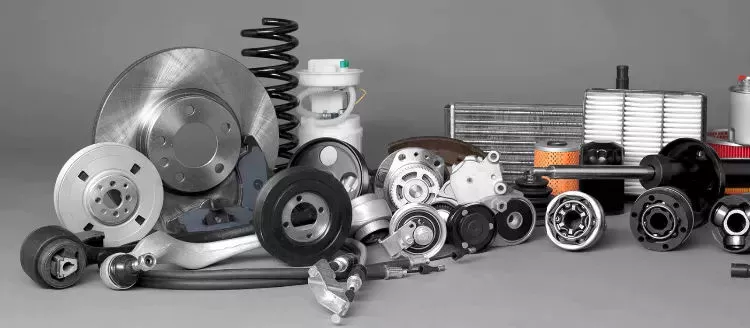
Kan drivaksler tilpasses til brug i både bilindustrien og industrien?
Ja, drivaksler kan tilpasses til brug i både bilindustrien og industrien. Selvom der kan være visse forskelle i design og specifikationer baseret på de specifikke anvendelseskrav, forbliver de grundlæggende principper og funktioner for drivaksler gældende i begge sammenhænge. Her er en detaljeret forklaring:
1. Kraftoverføring:
Drivaksler tjener det primære formål at overføre rotationskraft fra en strømkilde, såsom en motor, til drevne komponenter, som kan være hjul, maskiner eller andre mekaniske systemer. Denne grundlæggende funktion gælder for både bil- og industrimiljøer. Uanset om det drejer sig om at levere kraft til hjulene på et køretøj eller overføre drejningsmoment til industrimaskiner, forbliver det grundlæggende princip for kraftoverførsel det samme for drivaksler i begge sammenhænge.
2. Designovervejelser:
Selvom der kan være variationer i design baseret på specifikke anvendelser, er de centrale designovervejelser for drivaksler ens i både bil- og industrimiljøer. Faktorer som momentkrav, driftshastigheder, længde og materialevalg tages i betragtning i begge tilfælde. Bildrivaksler er typisk designet til at imødekomme køretøjets dynamiske drift, herunder variationer i hastighed, vinkler og affjedringsbevægelse. Industrielle drivaksler kan derimod være designet til specifikke maskiner og udstyr under hensyntagen til faktorer som lasteevne, driftsforhold og justeringskrav. De underliggende principper for at sikre korrekte dimensioner, styrke og balance er dog afgørende i både bil- og industridesign af drivaksler.
3. Materialevalg:
Materialevalget til drivaksler påvirkes af de specifikke krav til anvendelsen, uanset om det er i bilindustrien eller industrien. I bilindustrien er drivaksler almindeligvis fremstillet af materialer som stål eller aluminiumlegeringer, der er valgt for deres styrke, holdbarhed og evne til at modstå varierende driftsforhold. I industrielle omgivelser kan drivaksler være fremstillet af en bredere vifte af materialer, herunder stål, rustfrit stål eller endda speciallegeringer, afhængigt af faktorer som belastningskapacitet, korrosionsbestandighed eller temperaturtolerance. Materialevalget er skræddersyet til at imødekomme anvendelsens specifikke behov, samtidig med at effektiv kraftoverførsel og holdbarhed sikres.
4. Ledkonfigurationer:
Både bil- og industrielle drivaksler kan have forskellige ledkonfigurationer for at imødekomme de specifikke krav i applikationen. Universalled (U-led) bruges almindeligvis i begge sammenhænge for at muliggøre vinkelbevægelse og kompensere for skævhed mellem drivakslen og de drevne komponenter. Led med konstant hastighed (CV) anvendes også, især i bil-drivaksler, for at opretholde en konstant rotationshastighed og imødekomme varierende driftsvinkler. Disse ledkonfigurationer er tilpasset og optimeret baseret på de specifikke behov i bil- eller industrielle applikationer.
5. Vedligeholdelse og service:
Selvom vedligeholdelsespraksis kan variere mellem bil- og industrimiljøer, er vigtigheden af regelmæssig inspektion, smøring og afbalancering fortsat afgørende i begge tilfælde. Både bil- og industridrivaksler drager fordel af periodisk vedligeholdelse for at sikre optimal ydeevne, identificere potentielle problemer og forlænge drivakslernes levetid. Smøring af samlinger, inspektion for slid eller skader og afbalanceringsprocedurer er almindelige vedligeholdelsesopgaver for drivaksler i både bil- og industriapplikationer.
6. Tilpasning og tilpasning:
Drivaksler kan tilpasses og tilpasses for at opfylde de specifikke krav i forskellige bil- og industriapplikationer. Producenter tilbyder ofte drivaksler med forskellige længder, diametre og samlingskonfigurationer for at imødekomme en bred vifte af køretøjer eller maskiner. Denne fleksibilitet muliggør tilpasning af drivaksler, så de passer til de specifikke moment-, hastigheds- og dimensionskrav i forskellige applikationer, uanset om det er i bil- eller industrimiljøer.
Kort sagt kan drivaksler tilpasses til brug i både bilindustrien og industrien ved at tage hensyn til de specifikke krav i hver applikation. Selvom der kan være variationer i design, materialer, samlingskonfigurationer og vedligeholdelsespraksis, forbliver de grundlæggende principper for kraftoverførsel, designhensyn og tilpasningsmuligheder gældende i begge sammenhænge. Drivaksler spiller en afgørende rolle i både bilindustrien og industrien, da de muliggør effektiv kraftoverførsel og pålidelig drift i en bred vifte af mekaniske systemer.
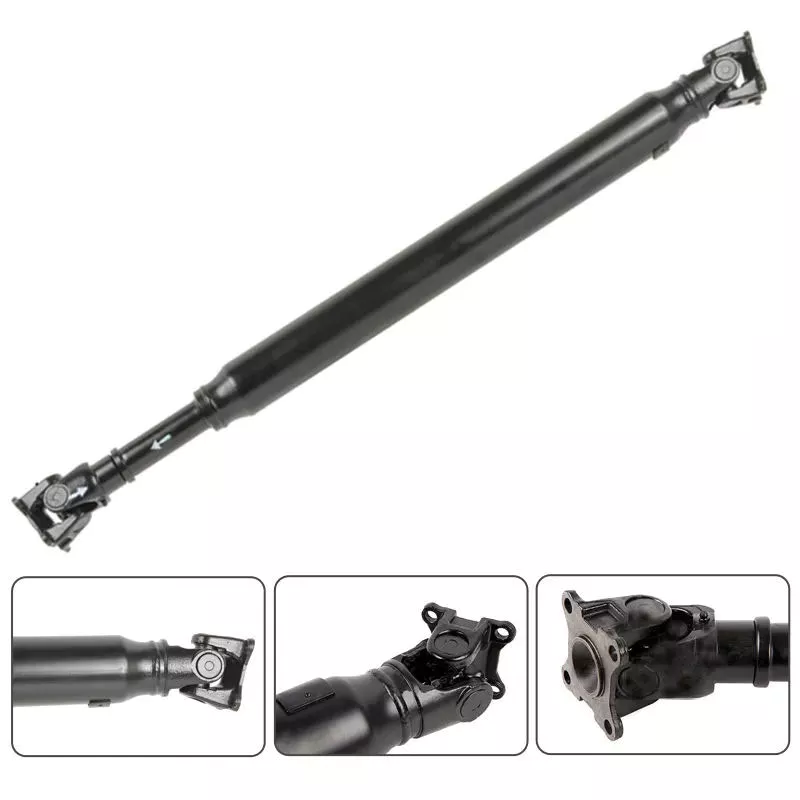
Can drive shafts be customized for specific vehicle or equipment requirements?
Yes, drive shafts can be customized to meet specific vehicle or equipment requirements. Customization allows manufacturers to tailor the design, dimensions, materials, and other parameters of the drive shaft to ensure compatibility and optimal performance within a particular vehicle or equipment. Here’s a detailed explanation of how drive shafts can be customized:
1. Dimensional Customization:
Drive shafts can be customized to match the dimensional requirements of the vehicle or equipment. This includes adjusting the overall length, diameter, and spline configuration to ensure proper fitment and clearances within the specific application. By customizing the dimensions, the drive shaft can be seamlessly integrated into the driveline system without any interference or limitations.
2. Material Selection:
The choice of materials for drive shafts can be customized based on the specific requirements of the vehicle or equipment. Different materials, such as steel alloys, aluminum alloys, or specialized composites, can be selected to optimize strength, weight, and durability. The material selection can be tailored to meet the torque, speed, and operating conditions of the application, ensuring the drive shaft’s reliability and longevity.
3. Joint Configuration:
Drive shafts can be customized with different joint configurations to accommodate specific vehicle or equipment requirements. For example, universal joints (U-joints) may be suitable for applications with lower operating angles and moderate torque demands, while constant velocity (CV) joints are often used in applications requiring higher operating angles and smoother power transmission. The choice of joint configuration depends on factors such as operating angle, torque capacity, and desired performance characteristics.
4. Torque and Power Capacity:
Customization allows drive shafts to be designed with the appropriate torque and power capacity for the specific vehicle or equipment. Manufacturers can analyze the torque requirements, operating conditions, and safety margins of the application to determine the optimal torque rating and power capacity of the drive shaft. This ensures that the drive shaft can handle the required loads without experiencing premature failure or performance issues.
5. Balancing and Vibration Control:
Drive shafts can be customized with precision balancing and vibration control measures. Imbalances in the drive shaft can lead to vibrations, increased wear, and potential driveline issues. By employing dynamic balancing techniques during the manufacturing process, manufacturers can minimize vibrations and ensure smooth operation. Additionally, vibration dampers or isolation systems can be integrated into the drive shaft design to further mitigate vibrations and enhance overall system performance.
6. Integration and Mounting Considerations:
Customization of drive shafts takes into account the integration and mounting requirements of the specific vehicle or equipment. Manufacturers work closely with the vehicle or equipment designers to ensure that the drive shaft fits seamlessly into the driveline system. This includes adapting the mounting points, interfaces, and clearances to ensure proper alignment and installation of the drive shaft within the vehicle or equipment.
7. Collaboration and Feedback:
Manufacturers often collaborate with vehicle manufacturers, OEMs (Original Equipment Manufacturers), or end-users to gather feedback and incorporate their specific requirements into the drive shaft customization process. By actively seeking input and feedback, manufacturers can address specific needs, optimize performance, and ensure compatibility with the vehicle or equipment. This collaborative approach enhances the customization process and results in drive shafts that meet the exact requirements of the application.
8. Compliance with Standards:
Customized drive shafts can be designed to comply with relevant industry standards and regulations. Compliance with standards, such as ISO (International Organization for Standardization) or specific industry standards, ensures that the customized drive shafts meet quality, safety, and performance requirements. Adhering to these standards provides assurance that the drive shafts are compatible and can be seamlessly integrated into the specific vehicle or equipment.
In summary, drive shafts can be customized to meet specific vehicle or equipment requirements through dimensional customization, material selection, joint configuration, torque and power capacity optimization, balancing and vibration control, integration and mounting considerations, collaboration with stakeholders, and compliance with industry standards. Customization allows drive shafts to be precisely tailored to the needs of the application, ensuring compatibility, reliability, and optimal performance.

Hvordan håndterer drivaksler variationer i længde og momentkrav?
Drivaksler er designet til at håndtere variationer i længde og momentkrav for effektivt at overføre rotationskraft. Her er en forklaring på, hvordan drivaksler håndterer disse variationer:
Længdevariationer:
Drivaksler fås i forskellige længder for at imødekomme varierende afstande mellem motoren eller kraftkilden og de drevne komponenter. De kan specialfremstilles eller købes i standardiserede længder, afhængigt af den specifikke anvendelse. I situationer, hvor afstanden mellem motoren og de drevne komponenter er længere, kan flere drivaksler med passende koblinger eller universalsamlinger bruges til at bygge bro over afstanden. Disse ekstra drivaksler forlænger effektivt den samlede længde af kraftoverføringssystemet.
Derudover er nogle drivaksler designet med teleskopsektioner. Disse sektioner kan forlænges eller trækkes tilbage, hvilket muliggør justering af længden for at imødekomme forskellige køretøjskonfigurationer eller dynamiske bevægelser. Teleskopiske drivaksler bruges almindeligvis i applikationer, hvor afstanden mellem motoren og de drevne komponenter kan ændre sig, f.eks. i visse typer lastbiler, busser og terrængående køretøjer.
Krav til moment:
Drivaksler er konstrueret til at håndtere varierende momentkrav baseret på motorens eller strømkildens effekt og kravene fra de drevne komponenter. Det moment, der overføres gennem drivakslen, afhænger af faktorer som motoreffekt, belastningsforhold og den modstand, som de drevne komponenter møder.
Producenter tager hensyn til momentkrav, når de vælger de passende materialer og dimensioner til drivaksler. Drivaksler er typisk lavet af højstyrkematerialer, såsom stål eller aluminiumlegeringer, for at modstå momentbelastningerne uden deformation eller svigt. Drivakslens diameter, vægtykkelse og design beregnes omhyggeligt for at sikre, at den kan håndtere det forventede moment uden overdreven udbøjning eller vibration.
I applikationer med høje momentkrav, såsom tunge lastbiler, industrimaskiner eller performancekøretøjer, kan drivaksler have yderligere forstærkninger. Disse forstærkninger kan omfatte tykkere vægge, tværsnitsformer optimeret til styrke eller kompositmaterialer med overlegen momenthåndteringsevne.
Derudover har drivaksler ofte fleksible samlinger, såsom universalsamlinger eller CV-samlinger. Disse samlinger tillader vinkelforskydninger og kompenserer for variationer i driftsvinklerne mellem motor, transmission og drevne komponenter. De hjælper også med at absorbere vibrationer og stød, hvilket reducerer belastningen på drivakslen og forbedrer dens momenthåndteringsevne.
Kort sagt håndterer drivaksler variationer i længde- og momentkrav gennem brugerdefinerede længder, teleskopiske sektioner, passende materialer og dimensioner samt inkludering af fleksible samlinger. Ved nøje at overveje disse faktorer kan drivaksler effektivt og pålideligt overføre kraft, samtidig med at de imødekommer de specifikke behov i forskellige applikationer.


editor by CX 2023-10-07























