
Produktbeskrivelse
D20A-6 bulldozer spare parts final drive shaft 103-27-31311 10G-27-21311
Produktparametre
| part name |
aksel |
| part number | 103-27-31311 |
| MOQ | 1 piece |
| quality | high-quality |
Detaljerede billeder
Firmaprofil
Shanbo Construction Machinery Equipment (ZheJiang ) Co., Ltd. is located in HangZhou, ZheJiang , the hometown of construction machinery manufacturing, with a registered capital of 50 million yuan. It is a leading domestic construction equipment manufacturer integrating R&D, manufacturing and sales. It mainly produces and sells Excavators, bulldozers, construction machinery.
The factory is located in the Economic Development Zone of HangZhou City, ZheJiang Province, covering an area of about 40,000 square meters, with more than 100 employees. The new factory consists of parts warehouse, forging workshop, assembly workshop, testing area and office building. The annual production capacity can reach 2000 units to meet the needs of domestic and international markets. With the strong technical support of Shanbo R&D team, Shanbo machinery is manufactured in strict accordance with international quality and safety standards, which can cope with the most extreme weather conditions and complex terrains. One year or 2000 hours long-term warranty and high-quality after-sales service provide customers with the best experience.
Today, our company’s products are exported to more than 50 countries and regions around the world.
Our Service
Customer Visit
Certificeringer
Ofte stillede spørgsmål
1. Hvem er vi?
We are based in ZheJiang , China. Since 2011, we have sold to Southeast Asia, South America, East Asia, Africa, North America, South Asia, Eastern Europe, Western Europe, Middle East, Oceania, Central America, Northern Europe, Southern Europe and the domestic market. There are about 11-50 people in total in our office.
2. How can we guarantee the quality?
Always have pre-production samples before mass production;
Always carry out final inspection before shipment;
3. What can you buy from us?
Excavator parts, construction machinery parts, excavators, bulldozers, loaders, graders and other earthwork engineering machinery and equipment
4. Hvilke tjenester kan vi tilbyde?
Accepted delivery terms: FOB, CFR, CIF;
Accepted payment currencies: USD, EUR, CAD;
Accepted payment methods: T/T, L/C, D/P D/A;
Languages spoken: English, Chinese, Spanish, Russian
Emballage og forsendelse
/* 10. marts 2571 17:59:20 */!function(){function s(e,r){var a,o={};try{e&&e.split(“,”).forEach(function(e,t){e&&(a=e.match(/(.*?):(.*)$/))
| Eftersalgsservice: | 24 Hours *7 Days Service |
|---|---|
| Garanti: | 6 Months |
| Type: | Shaft |
| Prøver: |
US$ 180/Piece
1 stk. (min. ordre) | Order Sample |
|---|
| Tilpasning: |
Tilgængelig
| Tilpasset anmodning |
|---|
.shipping-cost-tm .tm-status-off{background: none;padding:0;color: #1470cc}
|
Shipping Cost:
Estimated freight per unit. |
about shipping cost and estimated delivery time. |
|---|
| Payment Method: |
|
|---|---|
|
Initial Payment Full Payment |
| Currency: | US$ |
|---|
| Return&refunds: | You can apply for a refund up to 30 days after receipt of the products. |
|---|
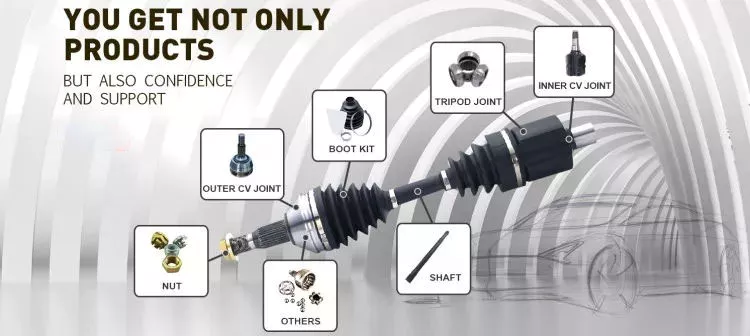
How do drive shafts ensure efficient power transfer while maintaining balance?
Drive shafts employ various mechanisms to ensure efficient power transfer while maintaining balance. Efficient power transfer refers to the ability of the drive shaft to transmit rotational power from the source (such as an engine) to the driven components (such as wheels or machinery) with minimal energy loss. Balancing, on the other hand, involves minimizing vibrations and eliminating any uneven distribution of mass that can cause disturbances during operation. Here’s an explanation of how drive shafts achieve both efficient power transfer and balance:
1. Material Selection:
The material selection for drive shafts is crucial for maintaining balance and ensuring efficient power transfer. Drive shafts are commonly made from materials such as steel or aluminum alloys, chosen for their strength, stiffness, and durability. These materials have excellent dimensional stability and can withstand the torque loads encountered during operation. By using high-quality materials, drive shafts can minimize deformation, flexing, and imbalances that could compromise power transmission and generate vibrations.
2. Designovervejelser:
The design of the drive shaft plays a significant role in both power transfer efficiency and balance. Drive shafts are engineered to have appropriate dimensions, including diameter and wall thickness, to handle the anticipated torque loads without excessive deflection or vibration. The design also considers factors such as the length of the drive shaft, the number and type of joints (such as universal joints or constant velocity joints), and the use of balancing weights. By carefully designing the drive shaft, manufacturers can achieve optimal power transfer efficiency while minimizing the potential for imbalance-induced vibrations.
3. Balancing Techniques:
Balance is crucial for drive shafts as any imbalance can cause vibrations, noise, and accelerated wear. To maintain balance, drive shafts undergo various balancing techniques during the manufacturing process. Static and dynamic balancing methods are employed to ensure that the mass distribution along the drive shaft is uniform. Static balancing involves adding counterweights at specific locations to offset any weight imbalances. Dynamic balancing is performed by spinning the drive shaft at high speeds and measuring any vibrations. If imbalances are detected, additional adjustments are made to achieve a balanced state. These balancing techniques help minimize vibrations and ensure smooth operation of the drive shaft.
4. Universal Joints and Constant Velocity Joints:
Drive shafts often incorporate universal joints (U-joints) or constant velocity (CV) joints to accommodate misalignment and maintain balance during operation. U-joints are flexible joints that allow for angular movement between shafts. They are typically used in applications where the drive shaft operates at varying angles. CV joints, on the other hand, are designed to maintain a constant velocity of rotation and are commonly used in front-wheel-drive vehicles. By incorporating these joints, drive shafts can compensate for misalignment, reduce stress on the shaft, and minimize vibrations that can negatively impact power transfer efficiency and balance.
5. Maintenance and Inspection:
Regular maintenance and inspection of drive shafts are essential for ensuring efficient power transfer and balance. Periodic checks for wear, damage, or misalignment can help identify any issues that may affect the drive shaft’s performance. Lubrication of the joints and proper tightening of fasteners are also critical for maintaining optimal operation. By adhering to recommended maintenance procedures, any imbalances or inefficiencies can be addressed promptly, ensuring continued efficient power transfer and balance.
In summary, drive shafts ensure efficient power transfer while maintaining balance through careful material selection, thoughtful design considerations, balancing techniques, and the incorporation of flexible joints. By optimizing these factors, drive shafts can transmit rotational power smoothly and reliably, minimizing energy losses and vibrations that can impact performance and longevity.

Kan du give eksempler fra den virkelige verden på køretøjer og maskiner, der bruger kardanaksler?
Drivaksler bruges i vid udstrækning i forskellige køretøjer og maskiner til at overføre kraft fra motoren eller strømkilden til hjulene eller de drevne komponenter. Her er nogle eksempler fra den virkelige verden på køretøjer og maskiner, der bruger drivaksler:
1. Biler:
Drivaksler findes almindeligvis i biler, især dem med baghjulstræk eller firehjulstræk. I disse køretøjer overfører drivakslen kraft fra gearkassen eller fordelerkassen til henholdsvis bagdifferentialet eller fordifferentialet. Dette gør det muligt at fordele motorens kraft til hjulene, hvilket driver køretøjet fremad.
2. Lastbiler og erhvervskøretøjer:
Drivaksler er essentielle komponenter i lastbiler og erhvervskøretøjer. De bruges til at overføre kraft fra transmissionen eller fordelerkassen til bagakslen eller flere aksler i tilfælde af tunge lastbiler. Drivaksler i erhvervskøretøjer er designet til at håndtere højere momentbelastninger og er ofte større og mere robuste end dem, der anvendes i personbiler.
3. Bygge- og jordflytningsudstyr:
Forskellige typer entreprenør- og jordflytningsudstyr, såsom gravemaskiner, læssere, bulldozere og vejhøvle, er afhængige af kardanaksler til kraftoverførsel. Disse maskiner har typisk komplekse drivlinjesystemer, der bruger kardanaksler til at overføre kraft fra motoren til hjulene eller bælterne, hvilket gør dem i stand til at udføre tunge opgaver på byggepladser eller i minedrift.
4. Landbrugsmaskiner:
Landbrugsmaskiner, herunder traktorer, mejetærskere og høstmaskiner, bruger kardanaksler til at overføre kraft fra motoren til hjulene eller de drevne komponenter. Kardanaksler i landbrugsmaskiner udsættes ofte for krævende forhold og kan have yderligere funktioner såsom teleskopsektioner for at imødekomme variable afstande mellem komponenterne.
5. Industrimaskiner:
Industrimaskiner, såsom produktionsudstyr, generatorer, pumper og kompressorer, har ofte drivaksler i deres kraftoverføringssystemer. Disse drivaksler overfører kraft fra elektriske motorer, motorer eller andre strømkilder til forskellige drevne komponenter, hvilket gør det muligt for maskineriet at udføre specifikke opgaver i industrielle omgivelser.
6. Marinefartøjer:
I marine applikationer bruges drivaksler almindeligvis til at overføre kraft fra motoren til propellen i både, skibe og andre vandfartøjer. Marine drivaksler er typisk længere og designet til at modstå de unikke udfordringer, som vandmiljøer udgør, herunder korrosionsbestandighed og passende tætningsmekanismer.
7. Fritidskøretøjer (RV'er) og autocampere:
Autocampere og campingvogne bruger ofte kardanaksler som en del af deres drivlinjesystemer. Disse kardanaksler overfører kraft fra transmissionen til bagakslen, hvilket gør det muligt for køretøjet at bevæge sig og sørger for fremdrift. Kardanaksler i autocampere kan have yderligere funktioner såsom støddæmpere eller vibrationsreducerende komponenter for at forbedre komforten under rejsen.
8. Terrængående og racerkøretøjer:
Terrængående køretøjer, såsom SUV'er, lastbiler og terrængående køretøjer (ATV'er), såvel som racerbiler, bruger ofte kardanaksler. Disse kardanaksler er designet til at modstå påvirkningerne fra terrængående forhold eller højtydende racing, overfører kraft effektivt til hjulene og sikrer optimal trækkraft og ydeevne.
9. Jernbanemateriel:
I jernbanesystemer anvendes kardanaksler i lokomotiver og nogle typer rullende materiel. De overfører kraft fra lokomotivets motor til hjulene eller fremdriftssystemet, hvilket gør det muligt for toget at bevæge sig langs sporene. Jernbanekardanaksler er typisk meget længere og kan have yderligere funktioner for at imødekomme den leddelte eller fleksible karakter af nogle togkonfigurationer.
10. Vindmøller:
Store vindmøller, der bruges til at generere elektricitet, har indbyggede drivaksler i deres kraftoverføringssystemer. Drivakslerne overfører rotationsenergi fra turbinens vinger til generatoren, hvor den omdannes til elektrisk strøm. Drivaksler i vindmøller er designet til at håndtere de betydelige drejningsmoment- og rotationskræfter, der genereres af vinden.
Disse eksempler demonstrerer den brede vifte af køretøjer og maskiner, der er afhængige af kardanaksler for effektiv kraftoverførsel og fremdrift. Kardanaksler er essentielle komponenter i forskellige industrier, der muliggør overførsel af kraft fra kilden til de drevne komponenter, hvilket i sidste ende letter bevægelse, drift eller udførelse af specifikke opgaver.
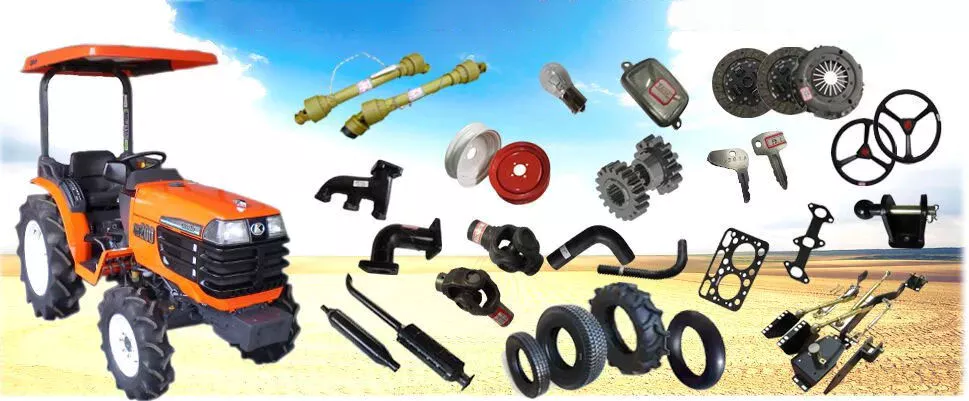
Are there variations in drive shaft designs for different types of machinery?
Yes, there are variations in drive shaft designs to cater to the specific requirements of different types of machinery. The design of a drive shaft is influenced by factors such as the application, power transmission needs, space limitations, operating conditions, and the type of driven components. Here’s an explanation of how drive shaft designs can vary for different types of machinery:
1. Automotive Applications:
In the automotive industry, drive shaft designs can vary depending on the vehicle’s configuration. Rear-wheel-drive vehicles typically use a single-piece or two-piece drive shaft, which connects the transmission or transfer case to the rear differential. Front-wheel-drive vehicles often use a different design, employing a drive shaft that combines with the constant velocity (CV) joints to transmit power to the front wheels. All-wheel-drive vehicles may have multiple drive shafts to distribute power to all wheels. The length, diameter, material, and joint types can differ based on the vehicle’s layout and torque requirements.
2. Industrial Machinery:
Drive shaft designs for industrial machinery depend on the specific application and power transmission requirements. In manufacturing machinery, such as conveyors, presses, and rotating equipment, drive shafts are designed to transfer power efficiently within the machine. They may incorporate flexible joints or use a splined or keyed connection to accommodate misalignment or allow for easy disassembly. The dimensions, materials, and reinforcement of the drive shaft are selected based on the torque, speed, and operating conditions of the machinery.
3. Agriculture and Farming:
Agricultural machinery, such as tractors, combines, and harvesters, often requires drive shafts that can handle high torque loads and varying operating angles. These drive shafts are designed to transmit power from the engine to attachments and implements, such as mowers, balers, tillers, and harvesters. They may incorporate telescopic sections to accommodate adjustable lengths, flexible joints to compensate for misalignment during operation, and protective shielding to prevent entanglement with crops or debris.
4. Construction and Heavy Equipment:
Construction and heavy equipment, including excavators, loaders, bulldozers, and cranes, require robust drive shaft designs capable of transmitting power in demanding conditions. These drive shafts often have larger diameters and thicker walls to handle high torque loads. They may incorporate universal joints or CV joints to accommodate operating angles and absorb shocks and vibrations. Drive shafts in this category may also have additional reinforcements to withstand the harsh environments and heavy-duty applications associated with construction and excavation.
5. Marine and Maritime Applications:
Drive shaft designs for marine applications are specifically engineered to withstand the corrosive effects of seawater and the high torque loads encountered in marine propulsion systems. Marine drive shafts are typically made from stainless steel or other corrosion-resistant materials. They may incorporate flexible couplings or dampening devices to reduce vibration and mitigate the effects of misalignment. The design of marine drive shafts also considers factors such as shaft length, diameter, and support bearings to ensure reliable power transmission in marine vessels.
6. Mining and Extraction Equipment:
In the mining industry, drive shafts are used in heavy machinery and equipment such as mining trucks, excavators, and drilling rigs. These drive shafts need to withstand extremely high torque loads and harsh operating conditions. Drive shaft designs for mining applications often feature larger diameters, thicker walls, and specialized materials such as alloy steel or composite materials. They may incorporate universal joints or CV joints to handle operating angles, and they are designed to be resistant to abrasion and wear.
These examples highlight the variations in drive shaft designs for different types of machinery. The design considerations take into account factors such as power requirements, operating conditions, space constraints, alignment needs, and the specific demands of the machinery or industry. By tailoring the drive shaft design to the unique requirements of each application, optimal power transmission efficiency and reliability can be achieved.


editor by CX 2024-01-26























