
Produktbeskrivelse
Kawashima Rockers /Nakashi Drive Shaft
| Anvendelse | Beskrivelse |
| Kawashima rockers | P/tube Length:1.50m|Axle diameter:7mm|Teeth:7|tube diameter:26mm| |
| Kawashima rockers | P/tube Length:1.50m|Axle diameter:8mm|Teeth:9|tube diameter:28mm| |
| Nakashi kawashima Premium and Plus Rock Grinders | P/tube Length:1.55m|Axle diameter:6mm|Teeth:10|tube diameter:25mm| |
| Nakashi Rockers,Kawashima Premium Plus | P/tube Length:1.55m|Axle diameter:7mm|Teeth:7|tube diameter:25mm| |
| Premium and Nakashi Rock Grinders | P/tube Length:1.55m|Axle diameter:8mm|Teeth:9|tube diameter:28mm| |
| Nakashi Premium Derricks | P/tube Length:1.10m|Axle diameter:6mm|Teeth:10|tube diameter:25mm| |
| Premium and Nakashi Derrickers | P/tube Length:1.10m|Axle diameter:7mm|Teeth:7|tube diameter:25mm| |
| Premium and Nakashi Derrickers | P/tube Length:0.9m|Axle diameter:6mm|Teeth:10|tube diameter:25mm| |
FAQ:
Notice
1. We maintain high standards of customer satisfaction! Your feedback is very important to us. Before giving us neutral or negative feedback, please contact us to satisfactorily address your concerns.
2. Please compare the good’s appearance, shape, size with your original parts before ordering.
3. Due to the different color resolution settings of the display, the CZPT may have a color difference, please know it.
4. All our products are non-assembled, pictures are for reference only.
Problem with An Order?
We work hard to get everything right but mistakes happen and we want to fix them quickly, please ask any questions using the Made-in-China system before starting a dispute.
Feedback
We maintain high standards of CZPT and strive for 100% customer satisfaction! If you are not satisfied with our products or services please contact us first, sincerely hope through our cooperation, we can resolve the problems smoothly.
About Us
We do retail and wholesale for gasoline chainsaw, brush cutter, grass trimmer, and other garden tool parts. Welcome here to pick out and buy.
Contact
If you have questions or problems please leave messages, we will reply to you as soon as possible.
/* 10. marts 2571 17:59:20 */!function(){function s(e,r){var a,o={};try{e&&e.split(“,”).forEach(function(e,t){e&&(a=e.match(/(.*?):(.*)$/))
| Certificering: | RoHS, CE, ISO, CCC |
|---|---|
| Strømkilde: | Gasoline |
| Type: | Drivaksel |
| Materiale: | 40cr/72b Aluminium |
| Transportpakke: | Color Box |
| Specifikation: | MANY SIZE |
| Tilpasning: |
Tilgængelig
| Tilpasset anmodning |
|---|
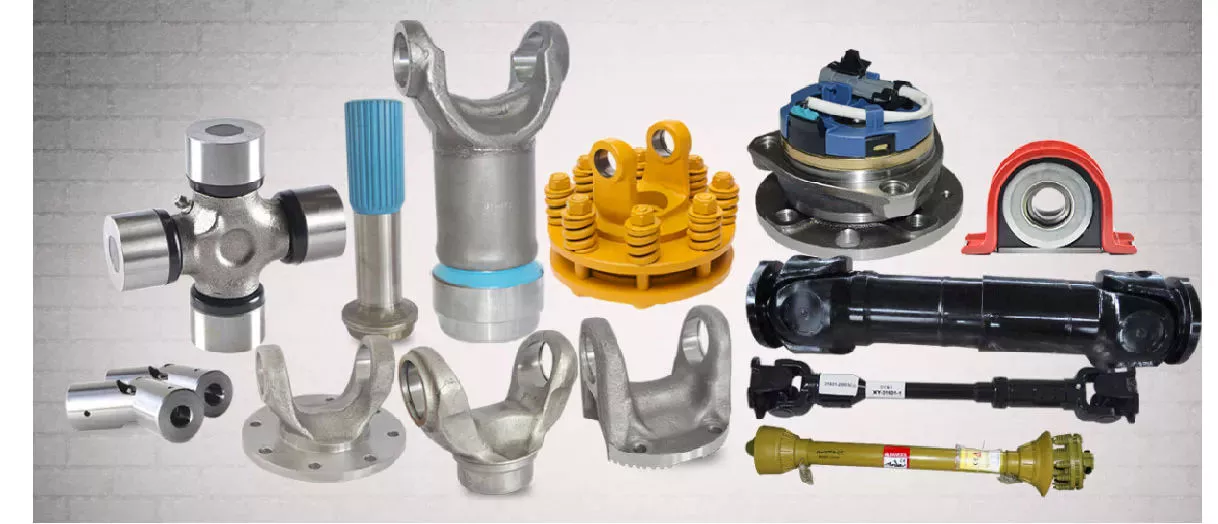
What factors should be considered when selecting the right drive shaft for an application?
When selecting the right drive shaft for an application, several factors need to be considered. The choice of drive shaft plays a crucial role in ensuring efficient and reliable power transmission. Here are the key factors to consider:
1. Power and Torque Requirements:
The power and torque requirements of the application are essential considerations. It is crucial to determine the maximum torque that the drive shaft will need to transmit without failure or excessive deflection. This includes evaluating the power output of the engine or power source, as well as the torque demands of the driven components. Selecting a drive shaft with the appropriate diameter, material strength, and design is essential to ensure it can handle the expected torque levels without compromising performance or safety.
2. Operating Speed:
The operating speed of the drive shaft is another critical factor. The rotational speed affects the dynamic behavior of the drive shaft, including the potential for vibration, resonance, and critical speed limitations. It is important to choose a drive shaft that can operate within the desired speed range without encountering excessive vibrations or compromising the structural integrity. Factors such as the material properties, balance, and critical speed analysis should be considered to ensure the drive shaft can handle the required operating speed effectively.
3. Length and Alignment:
The length and alignment requirements of the application must be considered when selecting a drive shaft. The distance between the engine or power source and the driven components determines the required length of the drive shaft. In situations where there are significant variations in length or operating angles, telescopic drive shafts or multiple drive shafts with appropriate couplings or universal joints may be necessary. Proper alignment of the drive shaft is crucial to minimize vibrations, reduce wear and tear, and ensure efficient power transmission.
4. Space Limitations:
The available space within the application is an important factor to consider. The drive shaft must fit within the allocated space without interfering with other components or structures. It is essential to consider the overall dimensions of the drive shaft, including length, diameter, and any additional components such as joints or couplings. In some cases, custom or compact drive shaft designs may be required to accommodate space limitations while maintaining adequate power transmission capabilities.
5. Environmental Conditions:
The environmental conditions in which the drive shaft will operate should be evaluated. Factors such as temperature, humidity, corrosive agents, and exposure to contaminants can impact the performance and lifespan of the drive shaft. It is important to select materials and coatings that can withstand the specific environmental conditions to prevent corrosion, degradation, or premature failure of the drive shaft. Special considerations may be necessary for applications exposed to extreme temperatures, water, chemicals, or abrasive substances.
6. Application Type and Industry:
The specific application type and industry requirements play a significant role in drive shaft selection. Different industries, such as automotive, aerospace, industrial machinery, agriculture, or marine, have unique demands that need to be addressed. Understanding the specific needs and operating conditions of the application is crucial in determining the appropriate drive shaft design, materials, and performance characteristics. Compliance with industry standards and regulations may also be a consideration in certain applications.
7. Maintenance and Serviceability:
The ease of maintenance and serviceability should be taken into account. Some drive shaft designs may require periodic inspection, lubrication, or replacement of components. Considering the accessibility of the drive shaft and associated maintenance requirements can help minimize downtime and ensure long-term reliability. Easy disassembly and reassembly of the drive shaft can also be beneficial for repair or component replacement.
By carefully considering these factors, one can select the right drive shaft for an application that meets the power transmission needs, operating conditions, and durability requirements, ultimately ensuring optimal performance and reliability.

What safety precautions should be followed when working with drive shafts?
Working with drive shafts requires adherence to specific safety precautions to prevent accidents, injuries, and damage to equipment. Drive shafts are critical components of a vehicle or machinery’s driveline system and can pose hazards if not handled properly. Here’s a detailed explanation of the safety precautions that should be followed when working with drive shafts:
1. Personal Protective Equipment (PPE):
Always wear appropriate personal protective equipment when working with drive shafts. This may include safety goggles, gloves, steel-toed boots, and protective clothing. PPE helps protect against potential injuries from flying debris, sharp edges, or accidental contact with moving parts.
2. Lockout/Tagout Procedures:
Before working on a drive shaft, ensure that the power source is properly locked out and tagged out. This involves isolating the power supply, such as shutting off the engine or disconnecting the electrical power, and securing it with a lockout/tagout device. This prevents accidental engagement of the drive shaft while maintenance or repair work is being performed.
3. Vehicle or Equipment Support:
When working with drive shafts in vehicles or equipment, use proper support mechanisms to prevent unexpected movement. Securely block the vehicle’s wheels or utilize support stands to prevent the vehicle from rolling or shifting during drive shaft removal or installation. This helps maintain stability and reduces the risk of accidents.
4. Proper Lifting Techniques:
When handling heavy drive shafts, use proper lifting techniques to prevent strain or injuries. Lift with the help of a suitable lifting device, such as a hoist or jack, and ensure that the load is evenly distributed and securely attached. Avoid lifting heavy drive shafts manually or with improper lifting equipment, as this can lead to accidents and injuries.
5. Inspection and Maintenance:
Prior to working on a drive shaft, thoroughly inspect it for any signs of damage, wear, or misalignment. If any abnormalities are detected, consult a qualified technician or engineer before proceeding. Regular maintenance is also essential to ensure the drive shaft is in good working condition. Follow the manufacturer’s recommended maintenance schedule and procedures to minimize the risk of failures or malfunctions.
6. Proper Tools and Equipment:
Use appropriate tools and equipment specifically designed for working with drive shafts. Improper tools or makeshift solutions can lead to accidents or damage to the drive shaft. Ensure that tools are in good condition, properly sized, and suitable for the task at hand. Follow the manufacturer’s instructions and guidelines when using specialized tools or equipment.
7. Controlled Release of Stored Energy:
Some drive shafts, particularly those with torsional dampers or other energy-storing components, can store energy even when the power source is disconnected. Exercise caution when working on such drive shafts and ensure that the stored energy is safely released before disassembly or removal.
8. Training and Expertise:
Work on drive shafts should only be performed by individuals with the necessary training, knowledge, and expertise. If you are not familiar with drive shafts or lack the required skills, seek assistance from qualified technicians or professionals. Improper handling or installation of drive shafts can lead to accidents, damage, or compromised performance.
9. Follow Manufacturer’s Guidelines:
Always follow the manufacturer’s guidelines, instructions, and warnings specific to the drive shaft you are working with. These guidelines provide important information regarding installation, maintenance, and safety considerations. Deviating from the manufacturer’s recommendations may result in unsafe conditions or void warranty coverage.
10. Disposal of Old or Damaged Drive Shafts:
Dispose of old or damaged drive shafts in accordance with local regulations and environmental guidelines. Improper disposal can have negative environmental impacts and may violate legal requirements. Consult with local waste management authorities or recycling centers to ensure appropriate disposal methods are followed.
By following these safety precautions, individuals can minimize the risks associated with working with drive shafts and promote a safe working environment. It is crucial to prioritize personal safety, use proper equipment and techniques, and seek professional help when needed to ensure the proper handling and maintenance of drive shafts.

Kan du forklare de forskellige typer drivaksler og deres specifikke anvendelser?
Drivaksler findes i forskellige typer, der hver især er designet til at passe til specifikke anvendelser og krav. Valget af drivaksel afhænger af faktorer som køretøjs- eller udstyrstype, behov for kraftoverføring, pladsbegrænsninger og driftsforhold. Her er en forklaring af de forskellige typer drivaksler og deres specifikke anvendelser:
1. Massiv aksel:
En solid aksel, også kendt som en drivaksel i ét stykke eller massiv stål, er en enkelt, uafbrudt aksel, der løber fra motoren eller strømkilden til de drevne komponenter. Det er et simpelt og robust design, der anvendes i mange anvendelser. Solide aksler findes almindeligvis i baghjulstrukne køretøjer, hvor de overfører kraft fra transmissionen til bagakslen. De bruges også i industrimaskiner, såsom pumper, generatorer og transportbånd, hvor en lige og stiv kraftoverførsel er påkrævet.
2. Rørformet skaft:
Rørformede aksler, også kaldet hule aksler, er drivaksler med en cylindrisk rørlignende struktur. De er konstrueret med en hul kerne og er typisk lettere end massive aksler. Rørformede aksler tilbyder fordele såsom reduceret vægt, forbedret vridningsstivhed og bedre dæmpning af vibrationer. De finder anvendelse i forskellige køretøjer, herunder biler, lastbiler og motorcykler, samt i industrielt udstyr og maskiner. Rørformede drivaksler bruges almindeligvis i forhjulstrukne køretøjer, hvor de forbinder transmissionen med forhjulene.
3. Aksel med konstant hastighed (CV):
CV-aksler (Constant Velocity) er specielt designet til at håndtere vinkelbevægelser og opretholde en konstant hastighed mellem motor/transmission og de drevne komponenter. De har CV-led i begge ender, hvilket giver fleksibilitet og kompensation for vinkelændringer. CV-aksler bruges almindeligvis i forhjulstrukne og firehjulstrukne køretøjer, såvel som i terrængående køretøjer og visse tunge maskiner. CV-leddene muliggør jævn kraftoverførsel, selv når hjulene drejes eller affjedringen bevæger sig, hvilket reducerer vibrationer og forbedrer den samlede ydeevne.
4. Glideledsaksel:
Slipleksler, også kendt som teleskopiske aksler, består af to eller flere rørformede sektioner, der kan glide ind og ud af hinanden. Dette design muliggør længdejustering og imødekommer ændringer i afstanden mellem motor/transmission og de drevne komponenter. Slipleksler bruges almindeligvis i køretøjer med lange akselafstande eller justerbare affjedringssystemer, såsom nogle lastbiler, busser og fritidskøretøjer. Ved at give fleksibilitet i længden sikrer slipleksler en konstant kraftoverførsel, selv når køretøjets chassis oplever bevægelse eller ændringer i affjedringsgeometrien.
5. Dobbelt kardanaksel:
En dobbelt kardanaksel, også kaldet en dobbelt universalaksel, er en type drivaksel, der inkorporerer to universalled. Denne konfiguration hjælper med at reducere vibrationer og minimere leddenes driftsvinkler, hvilket resulterer i en jævnere kraftoverførsel. Dobbelte kardanaksler bruges almindeligvis i tunge applikationer, såsom lastbiler, terrængående køretøjer og landbrugsmaskiner. De er særligt velegnede til applikationer med høje momentkrav og store driftsvinkler, hvilket giver forbedret holdbarhed og ydeevne.
6. Kompositskaft:
Kompositaksler er lavet af kompositmaterialer som kulfiber eller glasfiber, hvilket giver fordele som reduceret vægt, forbedret styrke og korrosionsbestandighed. Kompositkardinalaksler bruges i stigende grad i højtydende køretøjer, sportsvogne og racerbiler, hvor vægtreduktion og forbedret effekt-til-vægt-forhold er afgørende. Kompositkonstruktionen muliggør præcis justering af stivhed og dæmpningsegenskaber, hvilket resulterer i forbedret køretøjsdynamik og drivlinjeeffektivitet.
7. Kraftoverføringsaksel:
Kraftudtagsaksler (PTO-aksler) er specialiserede drivaksler, der anvendes i landbrugsmaskiner og visse typer industrielt udstyr. De er designet til at overføre kraft fra motoren eller strømkilden til forskellige redskaber, såsom plæneklippere, ballepressere eller pumper. Kraftudtagsaksler har typisk en notforbindelse i den ene ende for at forbinde til strømkilden og et universalled i den anden ende for at imødekomme vinkelbevægelser. De er kendetegnet ved deres evne til at overføre høje momentniveauer og deres kompatibilitet med en række forskellige drevne redskaber.
8. Marineaksel:
Marineaksler, også kendt som propelaksler eller haleaksler, er specielt designet til marinefartøjer. De overfører kraft fra motoren til propellen, hvilket muliggør fremdrift. Marineaksler er normalt lange og fungerer i et barskt miljø, udsat for vand, korrosion og høje momentbelastninger. De er typisk lavet af rustfrit stål eller andre korrosionsbestandige materialer og er designet til at modstå de udfordrende forhold, der opstår i marine applikationer.
Det er vigtigt at bemærke, at de specifikke anvendelser af drivaksler kan variere afhængigt af køretøjs- eller udstyrsproducenten, såvel som de specifikke design- og tekniske krav. Ovenstående eksempler fremhæver almindelige anvendelser for hver type drivaksel, men der kan være yderligere variationer og specialiserede designs baseret på specifikke branchebehov og teknologiske fremskridt.


editor by CX 2024-01-15























