
Produktbeskrivelse
Professional team
Professional engineers to provide technical support, rich industry supporting experience, to provide customized production services
Advanced processing equipment
We professional provide the investment casting, die casting, sand casting, forging, stamping, Top Drive spare parts(VARCO/CANRIG/TESCO/ BPM/JH), Mup pump spare parts, Auto parts and other metal parts.
Whole process quality inspection
The inspection equipment is complete, and the inspection data can be traced
| Oprindelsessted | ZheJiang , China |
| Type | Top Drive IBOP |
| Machine Type | Drilling Tool |
| Materiale | Legeret stål |
HangZhou Sanhao International Trade Co., Ltd is a collection of design ,production, trade and technical services in 1 high-tech company. We have our own machining factory and warehouse. At the same time we have business relations with many better factories in China. We can according to your product features and specific requirements to choose quality control and reputation better factory in China. We professional provide the investment casting, die casting, sand casting, forging, stamping, Top Drive System(VARCO/CANRIG/TESCO/BPM/JH) spare parts,Mup pump spare parts,Auto parts and other metal parts. Our products have been sold widely in the US and Europe used in the general engineering, food industry, construction hardware, hydraulic-pneumatic machinery, shipbuilding, sanitary, automobile, railway industry, oil drilling as well as other precision machine components.
Familiar with standards of GB, ASTM & AISI, DIN, NF, BS, we provide casting products in materials of gray iron, ductile iron, stainless steel, carbon steel, alloy steel, Al alloy, copper, bronze and materials specified by customers.
Professional engineers have more than 15 years’ experiences in this field. They will give you professional advice and help you to find the most suitable process, more competitive price with the best quality and the earliest delivery time. By communicating with them, you will find that your ideas and designs can be realized quickly and satisfactorily.
Professional Sales team can provide you the service with more carefully and dedicated, arrange the best logistic to assure casting parts will be send you soonest and safest. By communicating with them, you will find that your business will be done so easily and smoothly.
When you cooperate with Sanhao, you’re working with the best. We offer many competitive advantages, including: rapid transform on quotes, samples, and production work; integrated, flexible, responsive, competitive pricing; design assistance, complete material integrity and value-added services.
Sanhao do not only position as 1 of your excellent suppliers but a strategic partner. We are convinced that our commitment will make you close to your goals.
Our company’s philosophy: Honesty, Harmony, Win-win, Development together.
Our goal: For the customer-centric, To provide customers with one-stop professional and full services and become a first-class supplier.
Welcome you visit us at any time.
/* 22. januar 2571 19:08:37 */!function(){function s(e,r){var a,o={};try{e&&e.split(“,”).forEach(function(e,t){e&&(a=e.match(/(.*?):(.*)$/))
| Manufacturing Process: | Smedning |
|---|---|
| Overfladebehandling: | Spray-Paint |
| Operation Pressure: | Atmospheric Pressure |
| Materiale: | Alloy |
| Type: | Top Drive Spare Parts Ibop |
| Machine Type: | Drilling Tool |
| Tilpasning: |
Tilgængelig
| Tilpasset anmodning |
|---|
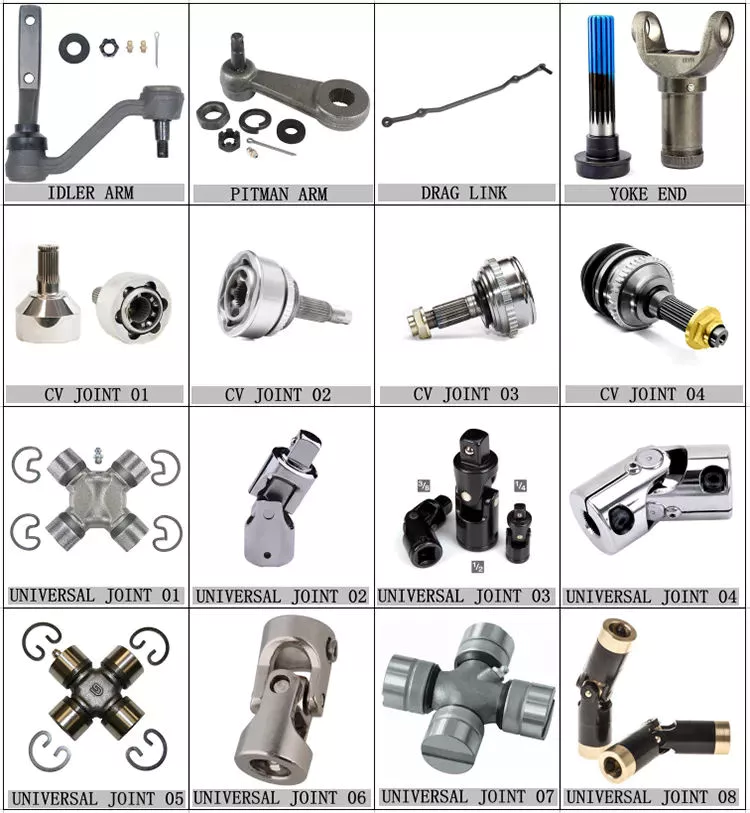
How do drive shafts handle variations in speed and torque during operation?
Drive shafts are designed to handle variations in speed and torque during operation by employing specific mechanisms and configurations. These mechanisms allow the drive shafts to accommodate the changing demands of power transmission while maintaining smooth and efficient operation. Here’s a detailed explanation of how drive shafts handle variations in speed and torque:
1. Flexible Couplings:
Drive shafts often incorporate flexible couplings, such as universal joints (U-joints) or constant velocity (CV) joints, to handle variations in speed and torque. These couplings provide flexibility and allow the drive shaft to transmit power even when the driving and driven components are not perfectly aligned. U-joints consist of two yokes connected by a cross-shaped bearing, allowing for angular movement between the drive shaft sections. This flexibility accommodates variations in speed and torque and compensates for misalignment. CV joints, which are commonly used in automotive drive shafts, maintain a constant velocity of rotation while accommodating changing operating angles. These flexible couplings enable smooth power transmission and reduce vibrations and wear caused by speed and torque variations.
2. Slip Joints:
In some drive shaft designs, slip joints are incorporated to handle variations in length and accommodate changes in distance between the driving and driven components. A slip joint consists of an inner and outer tubular section with splines or a telescoping mechanism. As the drive shaft experiences changes in length due to suspension movement or other factors, the slip joint allows the shaft to extend or compress without affecting the power transmission. By allowing axial movement, slip joints help prevent binding or excessive stress on the drive shaft during variations in speed and torque, ensuring smooth operation.
3. Balancing:
Drive shafts undergo balancing procedures to optimize their performance and minimize vibrations caused by speed and torque variations. Imbalances in the drive shaft can lead to vibrations, which not only affect the comfort of vehicle occupants but also increase wear and tear on the shaft and its associated components. Balancing involves redistributing mass along the drive shaft to achieve even weight distribution, reducing vibrations and improving overall performance. Dynamic balancing, which typically involves adding or removing small weights, ensures that the drive shaft operates smoothly even under varying speeds and torque loads.
4. Material Selection and Design:
The selection of materials and the design of drive shafts play a crucial role in handling variations in speed and torque. Drive shafts are typically made from high-strength materials, such as steel or aluminum alloys, chosen for their ability to withstand the forces and stresses associated with varying operating conditions. The diameter and wall thickness of the drive shaft are also carefully determined to ensure sufficient strength and stiffness. Additionally, the design incorporates considerations for factors such as critical speed, torsional rigidity, and resonance avoidance, which help maintain stability and performance during speed and torque variations.
5. Lubrication:
Proper lubrication is essential for drive shafts to handle variations in speed and torque. Lubricating the joints, such as U-joints or CV joints, reduces friction and heat generated during operation, ensuring smooth movement and minimizing wear. Adequate lubrication also helps prevent the binding of components, allowing the drive shaft to accommodate speed and torque variations more effectively. Regular lubrication maintenance is necessary to ensure optimal performance and extend the lifespan of the drive shaft.
6. System Monitoring:
Monitoring the performance of the drive shaft system is important to identify any issues related to variations in speed and torque. Unusual vibrations, noises, or changes in power transmission can indicate potential problems with the drive shaft. Regular inspections and maintenance checks allow for the early detection and resolution of issues, helping to prevent further damage and ensure the drive shaft continues to handle speed and torque variations effectively.
In summary, drive shafts handle variations in speed and torque during operation through the use of flexible couplings, slip joints, balancing procedures, appropriate material selection and design, lubrication, and system monitoring. These mechanisms and practices allow the drive shaft to accommodate misalignment, changes in length, and variations in power demands, ensuring efficient power transmission, smooth operation, and reduced wear and tear in various applications.
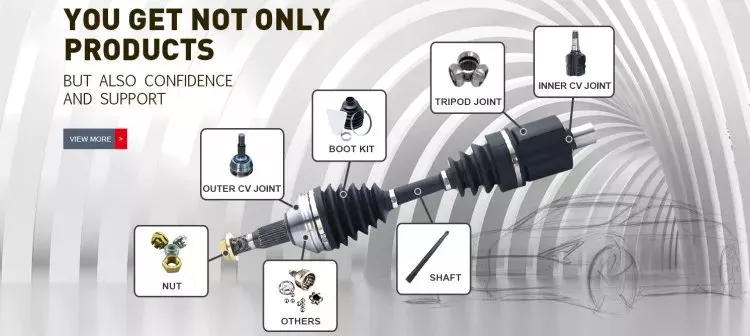
How do drive shafts enhance the performance of automobiles and trucks?
Drive shafts play a significant role in enhancing the performance of automobiles and trucks. They contribute to various aspects of vehicle performance, including power delivery, traction, handling, and overall efficiency. Here’s a detailed explanation of how drive shafts enhance the performance of automobiles and trucks:
1. Power Delivery: Drive shafts are responsible for transmitting power from the engine to the wheels, enabling the vehicle to move forward. By efficiently transferring power without significant losses, drive shafts ensure that the engine’s power is effectively utilized, resulting in improved acceleration and overall performance. Well-designed drive shafts with minimal power loss contribute to the vehicle’s ability to deliver power to the wheels efficiently.
2. Torque Transfer: Drive shafts facilitate the transfer of torque from the engine to the wheels. Torque is the rotational force that drives the vehicle forward. High-quality drive shafts with proper torque conversion capabilities ensure that the torque generated by the engine is effectively transmitted to the wheels. This enhances the vehicle’s ability to accelerate quickly, tow heavy loads, and climb steep gradients, thereby improving overall performance.
3. Traction and Stability: Drive shafts contribute to the traction and stability of automobiles and trucks. They transmit power to the wheels, allowing them to exert force on the road surface. This enables the vehicle to maintain traction, especially during acceleration or when driving on slippery or uneven terrain. The efficient power delivery through the drive shafts enhances the vehicle’s stability by ensuring balanced power distribution to all wheels, improving control and handling.
4. Handling and Maneuverability: Drive shafts have an impact on the handling and maneuverability of vehicles. They help establish a direct connection between the engine and the wheels, allowing for precise control and responsive handling. Well-designed drive shafts with minimal play or backlash contribute to a more direct and immediate response to driver inputs, enhancing the vehicle’s agility and maneuverability.
5. Weight Reduction: Drive shafts can contribute to weight reduction in automobiles and trucks. Lightweight drive shafts made from materials such as aluminum or carbon fiber-reinforced composites reduce the overall weight of the vehicle. The reduced weight improves the power-to-weight ratio, resulting in better acceleration, handling, and fuel efficiency. Additionally, lightweight drive shafts reduce the rotational mass, allowing the engine to rev up more quickly, further enhancing performance.
6. Mechanical Efficiency: Efficient drive shafts minimize energy losses during power transmission. By incorporating features such as high-quality bearings, low-friction seals, and optimized lubrication, drive shafts reduce friction and minimize power losses due to internal resistance. This enhances the mechanical efficiency of the drivetrain system, allowing more power to reach the wheels and improving overall vehicle performance.
7. Performance Upgrades: Drive shaft upgrades can be popular performance enhancements for enthusiasts. Upgraded drive shafts, such as those made from stronger materials or with enhanced torque capacity, can handle higher power outputs from modified engines. These upgrades allow for increased performance, such as improved acceleration, higher top speeds, and better overall driving dynamics.
8. Compatibility with Performance Modifications: Performance modifications, such as engine upgrades, increased power output, or changes to the drivetrain system, often require compatible drive shafts. Drive shafts designed to handle higher torque loads or adapt to modified drivetrain configurations ensure optimal performance and reliability. They enable the vehicle to effectively harness the increased power and torque, resulting in improved performance and responsiveness.
9. Durability and Reliability: Robust and well-maintained drive shafts contribute to the durability and reliability of automobiles and trucks. They are designed to withstand the stresses and loads associated with power transmission. High-quality materials, appropriate balancing, and regular maintenance help ensure that drive shafts operate smoothly, minimizing the risk of failures or performance issues. Reliable drive shafts enhance the overall performance by providing consistent power delivery and minimizing downtime.
10. Compatibility with Advanced Technologies: Drive shafts are evolving in tandem with advancements in vehicle technologies. They are increasingly being integrated with advanced systems such as hybrid powertrains, electric motors, and regenerative braking. Drive shafts designed to work seamlessly with these technologies maximize their efficiency and performance benefits, contributing to improved overall vehicle performance.
In summary, drive shafts enhance the performance of automobiles and trucks by optimizing power delivery, facilitating torque transfer, improving traction and stability, enhancing handling and maneuverability, reducing weight, increasing mechanical efficiency, enabling compatibility with performance upgrades and advanced technologies, and ensuring durability and reliability. They play a crucial role in ensuring efficient power transmission, responsive acceleration, precise handling, and overall improved performance of vehicles.
Hvordan håndterer drivaksler variationer i længde og momentkrav?
Drivaksler er designet til at håndtere variationer i længde og momentkrav for effektivt at overføre rotationskraft. Her er en forklaring på, hvordan drivaksler håndterer disse variationer:
Længdevariationer:
Drivaksler fås i forskellige længder for at imødekomme varierende afstande mellem motoren eller kraftkilden og de drevne komponenter. De kan specialfremstilles eller købes i standardiserede længder, afhængigt af den specifikke anvendelse. I situationer, hvor afstanden mellem motoren og de drevne komponenter er længere, kan flere drivaksler med passende koblinger eller universalsamlinger bruges til at bygge bro over afstanden. Disse ekstra drivaksler forlænger effektivt den samlede længde af kraftoverføringssystemet.
Derudover er nogle drivaksler designet med teleskopsektioner. Disse sektioner kan forlænges eller trækkes tilbage, hvilket muliggør justering af længden for at imødekomme forskellige køretøjskonfigurationer eller dynamiske bevægelser. Teleskopiske drivaksler bruges almindeligvis i applikationer, hvor afstanden mellem motoren og de drevne komponenter kan ændre sig, f.eks. i visse typer lastbiler, busser og terrængående køretøjer.
Krav til moment:
Drivaksler er konstrueret til at håndtere varierende momentkrav baseret på motorens eller strømkildens effekt og kravene fra de drevne komponenter. Det moment, der overføres gennem drivakslen, afhænger af faktorer som motoreffekt, belastningsforhold og den modstand, som de drevne komponenter møder.
Producenter tager hensyn til momentkrav, når de vælger de passende materialer og dimensioner til drivaksler. Drivaksler er typisk lavet af højstyrkematerialer, såsom stål eller aluminiumlegeringer, for at modstå momentbelastningerne uden deformation eller svigt. Drivakslens diameter, vægtykkelse og design beregnes omhyggeligt for at sikre, at den kan håndtere det forventede moment uden overdreven udbøjning eller vibration.
I applikationer med høje momentkrav, såsom tunge lastbiler, industrimaskiner eller performancekøretøjer, kan drivaksler have yderligere forstærkninger. Disse forstærkninger kan omfatte tykkere vægge, tværsnitsformer optimeret til styrke eller kompositmaterialer med overlegen momenthåndteringsevne.
Derudover har drivaksler ofte fleksible samlinger, såsom universalsamlinger eller CV-samlinger. Disse samlinger tillader vinkelforskydninger og kompenserer for variationer i driftsvinklerne mellem motor, transmission og drevne komponenter. De hjælper også med at absorbere vibrationer og stød, hvilket reducerer belastningen på drivakslen og forbedrer dens momenthåndteringsevne.
Kort sagt håndterer drivaksler variationer i længde- og momentkrav gennem brugerdefinerede længder, teleskopiske sektioner, passende materialer og dimensioner samt inkludering af fleksible samlinger. Ved nøje at overveje disse faktorer kan drivaksler effektivt og pålideligt overføre kraft, samtidig med at de imødekommer de specifikke behov i forskellige applikationer.


editor by CX 2024-03-29























