
Produktbeskrivelse
Harvester Farm Harrow Tractor Pto Drive Shaft and Power Tiller Cardan Shaft for Agricultural Machinery Spare Parts
Produktbeskrivelse
A Power Take-Off shaft (PTO shaft) is a mechanical device utilized to transmit power from a tractor or other power source to an attached implement, such as a mower, tiller, or baler. Typically situated at the rear of the tractor, the PTO shaft is driven by the tractor’s engine through the transmission.
The primary purpose of the PTO shaft is to supply a rotating power source to the implement, enabling it to carry out its intended function. To connect the implement to the PTO shaft, a universal joint is employed, allowing for movement between the tractor and the implement while maintaining a consistent power transfer.
Her er vores fordele sammenlignet med lignende produkter fra Kina:
1. Smedede gaffelkroge gør PTO-aksler stærke nok til brug og arbejde;
2. Standard indvendige størrelser for at bekræfte en problemfri installation;
3. CE- og ISO-certifikater for at garantere kvaliteten af vores varer;
4. Stærk og professionel pakke for at bekræfte den gode situation, når du modtager varerne.
Produktspecifikationer
Emballage og forsendelse
Firmaprofil
HangZhou Hanon Technology Co., ltd er en moderne virksomhed, der specialiserer sig i udvikling, produktion, salg og service af landbrugsdele som PTO-aksler og gearkasser samt hydrauliske dele som cylindre, ventiler, tandhjulspumper og motorer osv.
Vi overholder princippet om "Høj kvalitet, kundetilfredshed" og bruger avanceret teknologi og udstyr til at sikre alle tekniske standarder for transmission. Vi følger princippet om, at mennesket først, og gør vores bedste for at skabe behagelige omgivelser og en præstationsplatform for hver medarbejder. Så alle kan være bevidst aktive og blive en del af Hanon Machinery.
Ofte stillede spørgsmål
1.What’re your main products?
we currently product Agricultural Parts like PTO shaft and Gearboxes and Hydraulic parts like Cylinder , Valve ,Gear pump and motor.You can check the specifications for above product on our website and you can email us to recommend needed product per your specification too.
2.What’s the lead time for a regular order?
Generally speaking, our regular standard product will need 30-45days, a bit longer for customized products. But we are very flexible on the lead time, it will depend on the specific orders.
3.What’s your warranty terms?
One year.
4.Can you send me a price list?
For all of our product, they are customized based on different requirements like length, ratio,voltage,and power etc. The price also varies according to annual quantity. So it’s really difficult for us to provide a price list. If you can share your detailed requirements and annual quantity, we’ll see what offer we can provide.
5.What’s the payment term?
Når vi giver et tilbud, bekræfter vi transaktionsmåden med dig, FOB, CIF osv.<br> For masseproduktionsvarer skal du betale et depositum på 30% før produktion og en restbeløb på 70% mod kopi af dokumenter. Den mest almindelige måde er via T/T.
6.How to deliver the goods to us?
Normalt sender vi varerne til dig med skib.
/* 22. januar 2571 19:08:37 */!function(){function s(e,r){var a,o={};try{e&&e.split(“,”).forEach(function(e,t){e&&(a=e.match(/(.*?):(.*)$/))
| Type: | Agricultural Spare Part, Agricultural Spare Part |
|---|---|
| Anvendelse: | Agricultural Products Processing, Farmland Infrastructure, Tillage, Harvester, Planting and Fertilization, Grain Threshing, Cleaning and Drying, Agricultural Machinery,Farm Tractor, Agricultural Products Processing, Farmland Infrastructure, Tillage, Harvester, Planting and Fertilization, Grain Threshing, Cleaning and Drying, Agricultural Machinery, Farm Tractor |
| Materiale: | Carbon Steel, 45cr Steel, Carbon Steel |
| Prøver: |
US$ 20/Stk.
1 stk. (min. ordre) | Order Sample |
|---|
| Tilpasning: |
Tilgængelig
| Tilpasset anmodning |
|---|
.shipping-cost-tm .tm-status-off{background: none;padding:0;color: #1470cc}
|
Shipping Cost:
Estimated freight per unit. |
about shipping cost and estimated delivery time. |
|---|
| Payment Method: |
|
|---|---|
|
Initial Payment Full Payment |
| Currency: | US$ |
|---|
| Return&refunds: | You can apply for a refund up to 30 days after receipt of the products. |
|---|
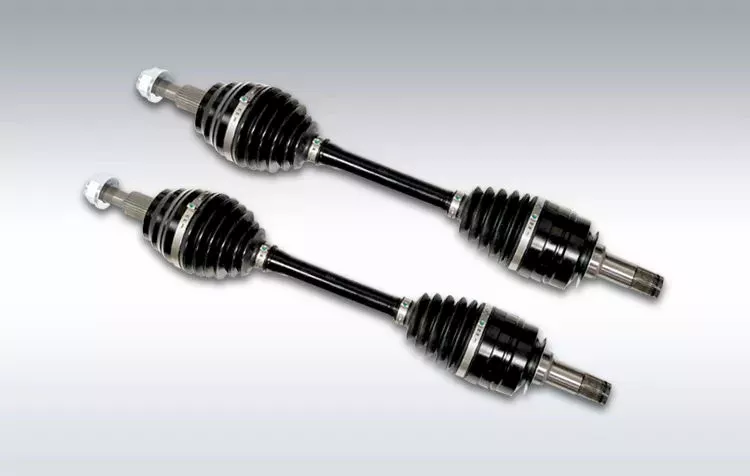
Er der nogen begrænsninger eller ulemper forbundet med PTO-drivakselsystemer?
Selvom PTO (Power Take-Off) drivakselsystemer tilbyder adskillige fordele, er der også nogle begrænsninger og ulemper forbundet med deres anvendelse. Det er vigtigt at overveje disse faktorer, når man beslutter, om man skal implementere et PTO-drivakselsystem. Begrænsningerne og ulemperne omfatter:
1. Sikkerhedsrisici:
Kraftoverføringsakselsystemer kan udgøre en sikkerhedsrisiko, hvis de ikke anvendes og vedligeholdes korrekt. Den roterende drivaksel, synlige splines og universalled kan udgøre en fare for førere og tilskuere, hvis de kommer i kontakt med dem under drift. Hvis tøj, hår eller kropsdele sættes fast i de roterende komponenter, kan det resultere i alvorlige kvæstelser. Det er afgørende at følge sikkerhedsretningslinjerne, bruge passende afskærmning og implementere sikkerhedsanordninger for at mindske disse risici.
2. Vedligeholdelse og smøring:
Kraftoverføringsakselsystemer kræver regelmæssig vedligeholdelse og smøring for at sikre optimal ydeevne og levetid. Led, splines og lejer skal inspiceres, rengøres og smøres som anbefalet af producenten. Manglende rutinemæssig vedligeholdelse kan føre til for tidligt slid, øget friktion og i sidste ende komponentfejl, hvilket resulterer i uventet nedetid og dyre reparationer.
3. Forskydning og vibrationer:
PTO-drivakselsystemer kan opleve fejljustering og vibrationer, især når det drevne udstyr ikke er perfekt justeret i forhold til strømkilden. Forkert justering lægger yderligere belastning på drivakslen og dens komponenter, hvilket fører til øget slid og reduceret effektivitet. Vibrationer genereret under drift kan også bidrage til træthed og accelereret slid på drivakslen og tilsluttet udstyr.
4. Begrænsede driftsvinkler:
Kraftudtagssystemer har typisk begrænsede driftsvinkler på grund af designbegrænsninger for universalkoblinger. Overskridelse af de anbefalede driftsvinkler kan forårsage fastklemning, øget slid og reduceret kraftoverførselseffektivitet. Denne begrænsning kan begrænse bevægelsesområdet eller fleksibiliteten ved tilslutning af kraftudtagsdrevet udstyr, hvilket kræver omhyggelig planlægning og justering under installationen.
5. Støj og vibrationer:
Kraftoverføringssystemer kan generere støj og vibrationer under drift. De roterende komponenter, især ved høje hastigheder, kan skabe hørbar støj og vibrationer, der kan overføres til føreren, udstyret og det omgivende miljø. Overdreven støj og vibrationer kan have en negativ indvirkning på førerens komfort og udstyrets ydeevne og kan kræve yderligere foranstaltninger for at afbøde deres virkninger.
6. Begrænset kraftoverføringskapacitet:
Kraftoverføringssystemer med PTO-aksel har begrænsninger med hensyn til kraftoverføringskapacitet. Det drejningsmoment og den effekt, der kan overføres gennem drivakslen, afhænger af dens design, materialestyrke og de valgte komponenter. I applikationer, der kræver højt drejningsmoment eller effekt, kan alternative kraftoverføringsmetoder såsom hydrauliske systemer eller direkte mekaniske drev være mere egnede og i stand til at håndtere de nødvendige belastninger.
7. Kompatibilitetsudfordringer:
Det kan nogle gange være udfordrende at sikre kompatibilitet mellem PTO-drivaksler og forskelligt udstyr. Udstyr kan have unikke tilslutningskrav, såsom ikke-standardiserede splines eller flanger, som kan kræve brugerdefinerede adaptere eller modifikationer. At opnå kompatibilitet med ældre eller specialiseret udstyr kan kræve en ekstra indsats og er ikke altid ligetil.
8. Omkostninger:
Implementering af et PTO-drivakselsystem kan involvere betydelige startomkostninger, herunder køb af drivakslen, kompatibelt udstyr og eventuelle nødvendige adaptere eller koblinger. Derudover kan løbende vedligeholdelse, smøring og potentielle reparationer bidrage til de samlede ejeromkostninger. Det er vigtigt at overveje cost-benefit-forholdet og de specifikke behov i applikationen, før man investerer i et PTO-drivakselsystem.
Trods disse begrænsninger og ulemper er PTO-drivakselsystemer fortsat meget udbredt på grund af deres alsidighed, brugervenlighed og kompatibilitet med en bred vifte af udstyr. Ved at imødekomme sikkerhedsproblemer, udføre regelmæssig vedligeholdelse og tage hensyn til de specifikke krav til applikationen kan mange af disse begrænsninger afbødes, hvilket muliggør pålidelig og effektiv drift.
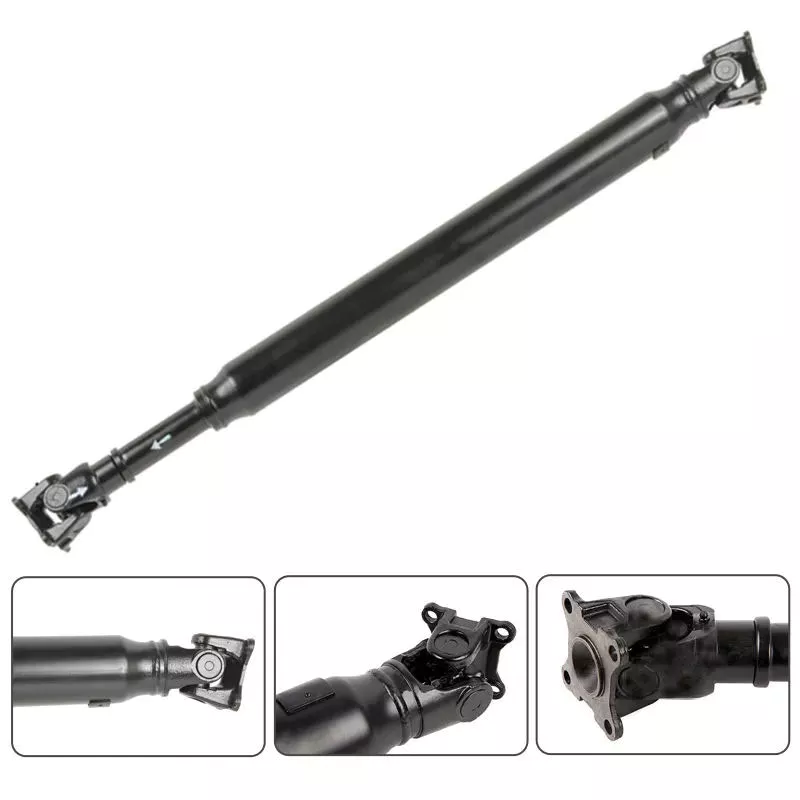
How do PTO drive shafts handle variations in load and torque during operation?
PTO (Power Take-Off) drive shafts are designed to handle variations in load and torque during operation, providing a flexible and efficient power transmission solution. They incorporate several mechanisms and features that enable them to accommodate changes in load and torque. Here’s how PTO drive shafts handle variations in load and torque:
1. Flexible Couplings:
PTO drive shafts typically utilize flexible couplings, such as universal joints or constant velocity joints, at both ends. These couplings allow for angular misalignment and compensate for variations in load and torque. They can accommodate changes in the orientation and position of the driven equipment relative to the power source, reducing stress on the drive shaft and its components.
2. Spring-Loaded Friction Discs:
Some PTO drive shafts incorporate spring-loaded friction discs, commonly known as torque limiters or overload clutches. These devices provide a mechanical means of protecting the drive shaft and connected equipment from excessive torque. When the torque exceeds a predetermined threshold, the friction discs slip, effectively disconnecting the drive shaft from the power source. This protects the drive shaft from damage and allows the system to handle sudden increases or spikes in torque.
3. Slip Clutches:
Slip clutches are another mechanism used in PTO drive shafts to handle variations in torque. Slip clutches allow controlled slippage between the input and output shafts when a certain torque level is exceeded. They provide a means of limiting torque transmission and protecting the drive shaft from overload. Slip clutches can be adjustable, allowing the desired torque setting to be customized based on the specific application.
4. Torque Converters:
In certain applications, PTO drive shafts may incorporate torque converters. Torque converters are fluid coupling devices that use hydraulic principles to transmit torque. They provide a smooth and gradual ramp-up of torque, which helps in handling variations in load and torque. Torque converters can also provide additional benefits such as dampening vibrations and mitigating shock loads.
5. Load-Bearing Capacity:
PTO drive shafts are designed with sufficient load-bearing capacity to handle variations in load during operation. The material selection, diameter, and wall thickness of the drive shaft are optimized based on the anticipated loads and torque requirements. This allows the drive shaft to effectively transmit power without excessive deflection or deformation, ensuring reliable and efficient operation under different load conditions.
6. Regular Maintenance:
Proper maintenance is essential for the reliable operation of PTO drive shafts. Regular inspection, lubrication, and adjustment of the drive shaft components help ensure optimal performance and longevity. By maintaining the drive shaft in good condition, its ability to handle variations in load and torque can be preserved, reducing the risk of failures or unexpected downtime.
It’s important to note that while PTO drive shafts are designed to handle variations in load and torque, there are limits to their capacity. Exceeding the recommended load or torque limits can lead to premature wear, damage to the drive shaft and connected equipment, and compromise safety. It is crucial to operate within the specified parameters and consult the manufacturer’s guidelines for the specific PTO drive shaft model being used.
By incorporating flexible couplings, torque limiters, slip clutches, torque converters, and ensuring adequate load-bearing capacity, PTO drive shafts can effectively handle variations in load and torque during operation. These features contribute to the versatility, efficiency, and reliability of PTO drive shaft systems across a wide range of applications.
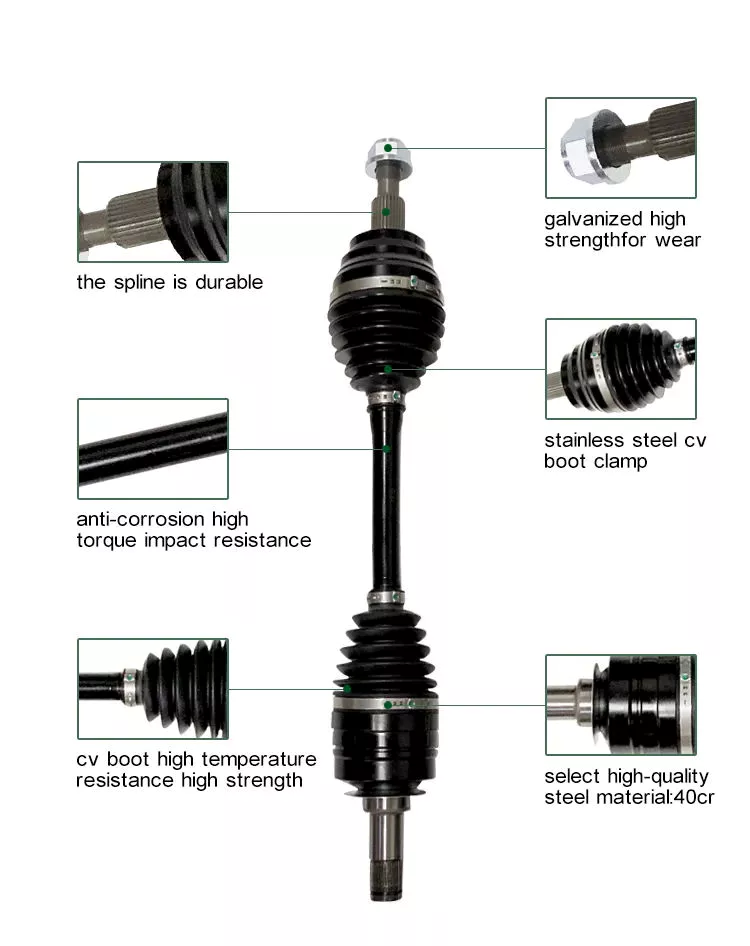
How do PTO drive shafts handle variations in speed, torque, and angles of rotation?
PTO (Power Take-Off) drive shafts are designed to handle variations in speed, torque, and angles of rotation, allowing for efficient power transmission between the primary power source and the implement or machinery. These variations can occur due to differences in equipment sizes, operating conditions, and the specific tasks being performed. Here’s a detailed explanation of how PTO drive shafts handle these variations:
1. Speed Variations:
PTO drive shafts are engineered to accommodate speed variations between the primary power source and the implement. They achieve this through a combination of factors:
- Splined Connections: PTO drive shafts are equipped with splined connections at both ends, allowing for a secure and precise connection to the PTO output shaft and the implement input shaft. These splines provide flexibility to adjust the length of the drive shaft and accommodate different speed requirements.
- Telescoping or Sliding Mechanism: Some PTO drive shafts feature a telescoping or sliding mechanism that allows for length adjustment. This mechanism enables the drive shaft to handle speed variations by extending or retracting to maintain proper alignment and prevent excessive tension or binding. It allows the drive shaft to operate efficiently even when the distance between the primary power source and the implement changes.
- Shear Pins or Clutch Mechanism: In situations where there is a sudden increase in speed or an overload, PTO drive shafts may incorporate shear pins or a clutch mechanism. These safety features are designed to disconnect the drive shaft from the primary power source, preventing damage to the drive shaft and associated equipment.
2. Torque Variations:
PTO drive shafts are built to handle variations in torque, which are often encountered when powering different types of implements and machinery. Here’s how they manage torque variations:
- Splined Connections: The splined connections on the drive shaft and the PTO output shaft provide a secure and robust connection that can transmit high levels of torque. The splines ensure proper alignment and torque transfer between the two shafts, allowing the drive shaft to handle varying torque demands.
- Shear Pins or Clutch Mechanism: Similar to handling speed variations, shear pins or a clutch mechanism can be incorporated into PTO drive shafts to protect them from excessive torque. In the event of an overload or sudden increase in torque, these safety features disengage the drive shaft from the primary power source, preventing damage to the drive shaft and the connected equipment.
- Reinforced Construction: PTO drive shafts are typically constructed using durable materials such as steel or composite alloys. This robust construction allows them to withstand high torque levels and handle variations without compromising their structural integrity.
3. Angles of Rotation:
PTO drive shafts are designed to accommodate variations in angles of rotation between the primary power source and the implement. Here’s how they address these variations:
- Flexible Design: PTO drive shafts are flexible in nature, allowing them to adapt to different angles of rotation. The splined connections and telescoping or sliding mechanisms mentioned earlier provide the necessary flexibility to handle angular variations without compromising power transmission.
- Universal Joints: In situations where there are significant angular variations, PTO drive shafts may incorporate universal joints. Universal joints allow for smooth power transmission even when the input and output shafts are misaligned or at different angles. They accommodate the changes in rotational direction and compensate for angular variations, ensuring efficient power transfer.
By incorporating features such as splined connections, telescoping or sliding mechanisms, shear pins or clutch mechanisms, reinforced construction, and universal joints, PTO drive shafts can handle speed variations, torque variations, and angles of rotation. These design elements enable efficient power transmission and ensure the smooth operation of implements and machinery across different tasks and operating conditions.


editor by CX 2024-03-19























